Amaranth: What It Is, How to Use It and Substitutes
What is amaranth?
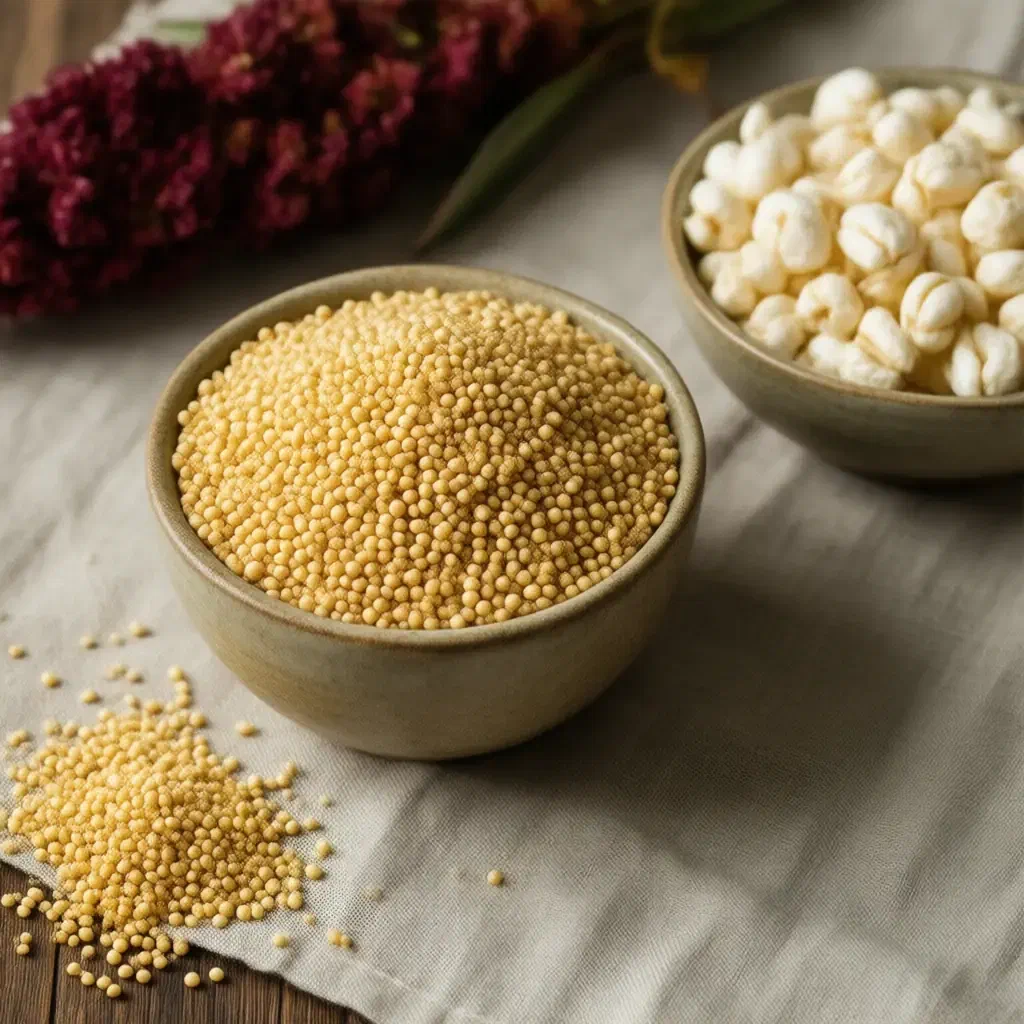
Botanically, amaranth is not a cereal but a pseudocereal, like quinoa and buckwheat. The main species grown for grain are Amaranthus caudatus, Amaranthus cruentus and Amaranthus hypochondriacus. A single plant carries tens of thousands of seeds in its red or golden flower plumes, each barely a millimetre across. Amaranth was a staple food of the Aztecs. In Mexico the tradition lives on in alegría, a sweet made of popped amaranth bound with honey or cane sugar. The grains contain around 14 g of protein per 100 g, along with plenty of iron and magnesium. The leaves of various amaranth species are a common leafy vegetable in Africa, India and the Caribbean.
Flavour and uses
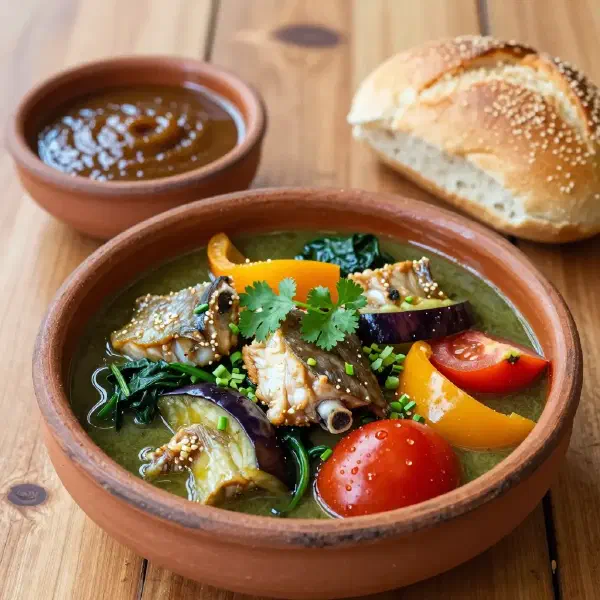
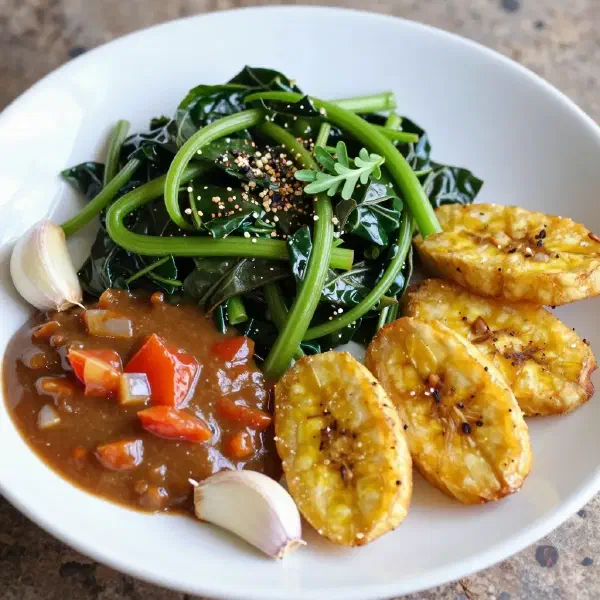
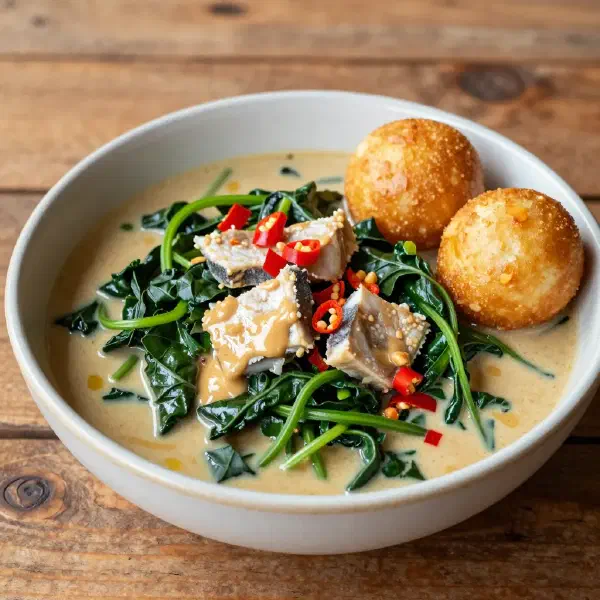
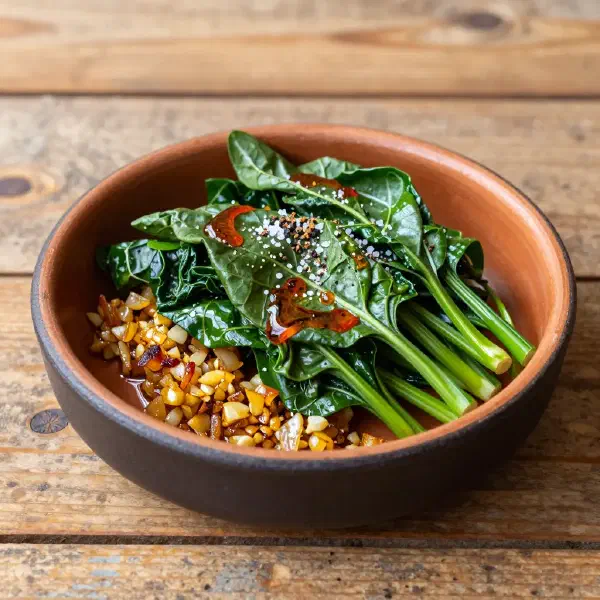
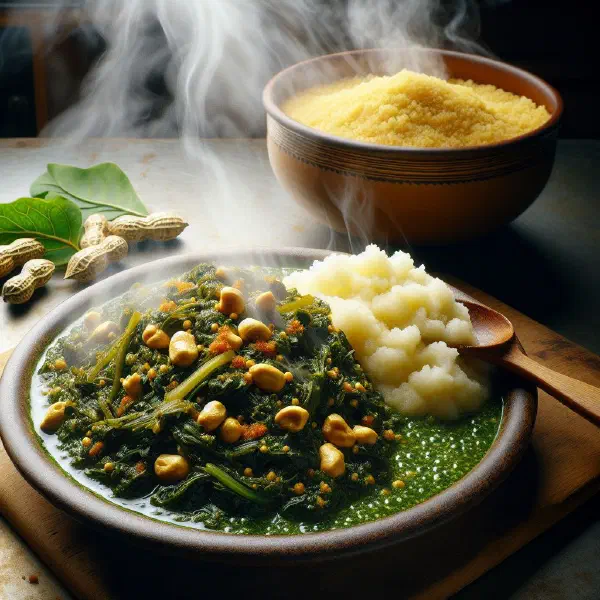
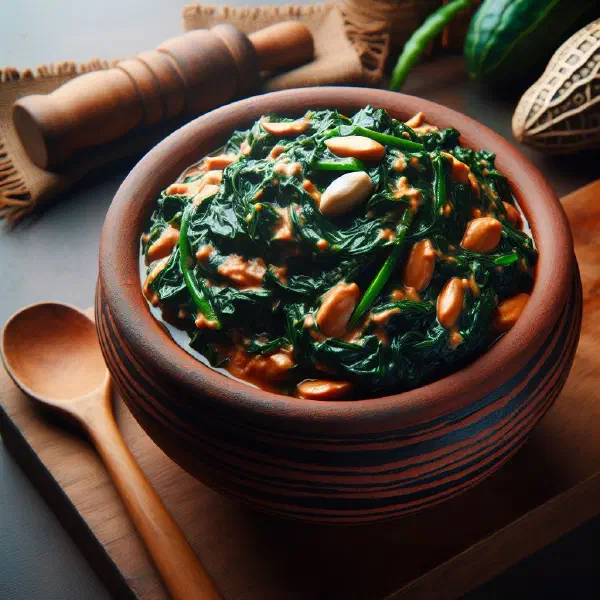
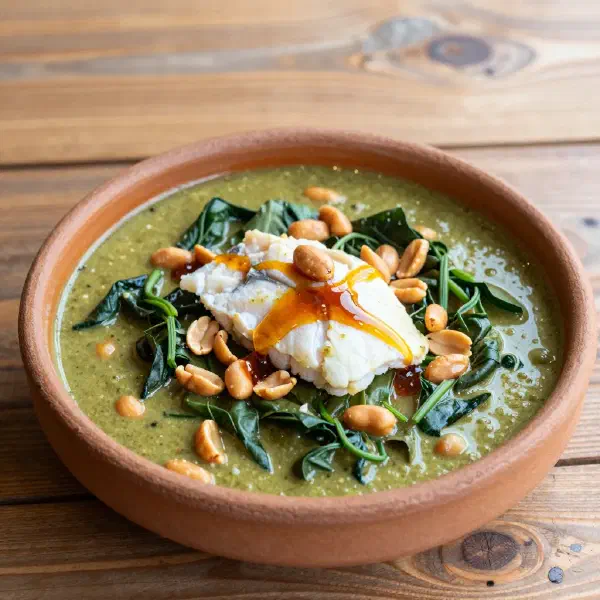
Cooked amaranth tastes nutty and slightly earthy and turns a little gloopy, rather like porridge oats. Cook 1 part grains with 2–3 parts water for about 20–25 minutes. This gives you porridge, a side dish or a binder for soups and patties. To pop it, heat a dry pan until very hot and add small batches at a time; it takes only seconds. The popped grains go into muesli or bars. In Africa the leaves go into the pot, in Uganda for instance as doodo. Ugandan nakati leaves and gboma from Benin actually come from plants of the nightshade family, but amaranth leaves can be cooked in a similar way, with peanut sauce as in Nakati with Peanut Sauce or braised as in Gboma Dessi. In the Caribbean amaranth is often called callaloo, and in Jamaica it is served as a steamed leafy vegetable, see Callaloo from Jamaica.
Buying amaranth: what to look for
Amaranth grain and popped amaranth are sold in health-food shops, organic stores and many larger supermarkets, and online. The grains should be pale, even and dry, with no musty smell. Popped amaranth is sometimes sweetened, so check the ingredients list. Fresh amaranth leaves are harder to find, most likely in African, Caribbean, Indian or Asian grocers, often sold as callaloo, chaulai or yin choy. Choose leaves that are firm and dark green; they wilt faster than spinach.
Storage and shelf life
Keep amaranth dry, dark and airtight and it will last about a year. The grains contain more fat than wheat and can go rancid, in which case they smell of old oil. Popped amaranth soon goes soft in the air, so seal the pack well. Cooked amaranth keeps in the fridge for two to three days.
What can you use instead of amaranth?
Quinoa is the obvious substitute, used 1:1 and with a slightly shorter cooking time of about 15 minutes. Millet works just as well in porridge and patties and is cheaper. Instead of popped amaranth, use puffed rice or puffed quinoa. Replace amaranth leaves with young spinach or chard; spinach cooks a little faster.