Fenugreek: What It Is, How to Use It and Substitutes
What is fenugreek?
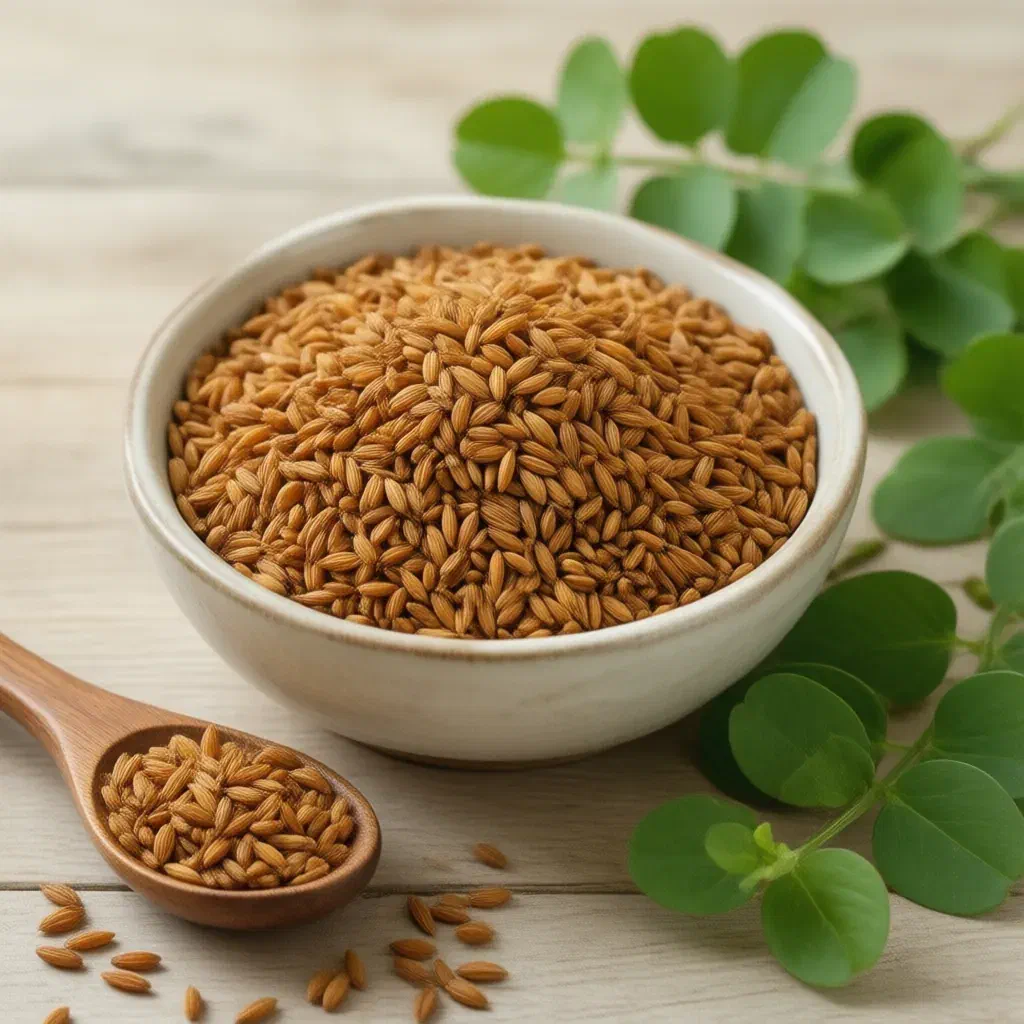
The plant’s botanical name is Trigonella foenum-graecum, meaning Greek hay, and it belongs to the pea family, so it is related to peas and clover. Its pods hold 10–20 angular seeds, barely bigger than a mustard seed and very hard. The largest producer is India, especially Rajasthan. There the spice is called methi, in the Arab world hilba or hulba, and in Turkey çemen. Indian shops sell the dried leaves as kasuri methi. The typical scent of maple syrup and curry comes from an aroma compound called sotolon. It is so strong that after a big fenugreek meal it can still be smelt in your sweat the next day.
Flavour and uses
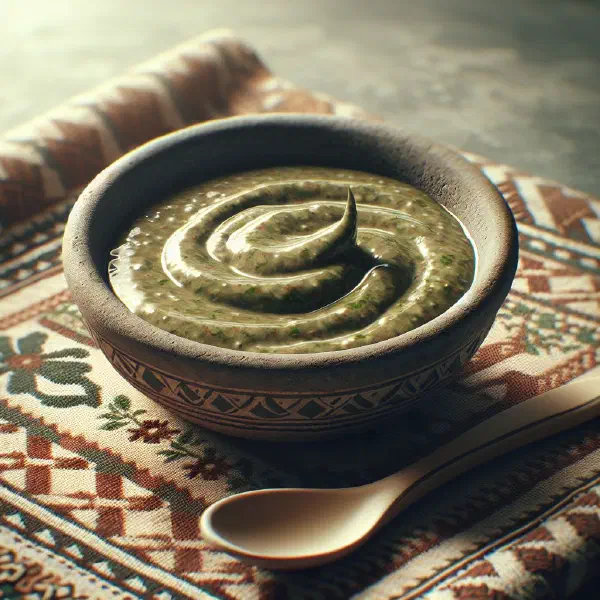
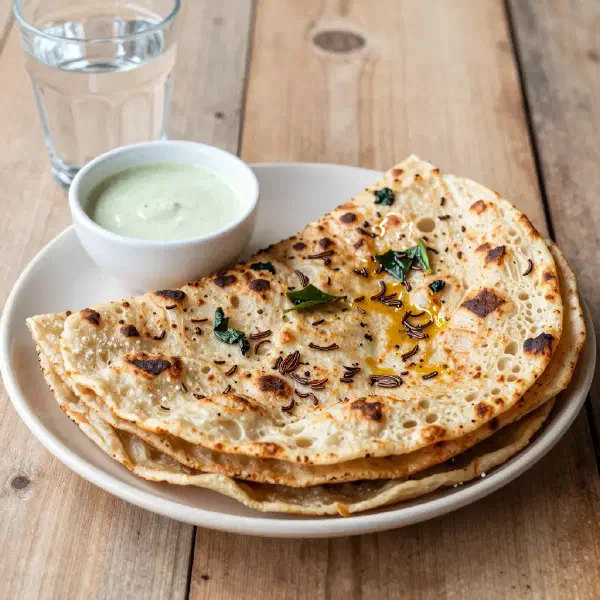
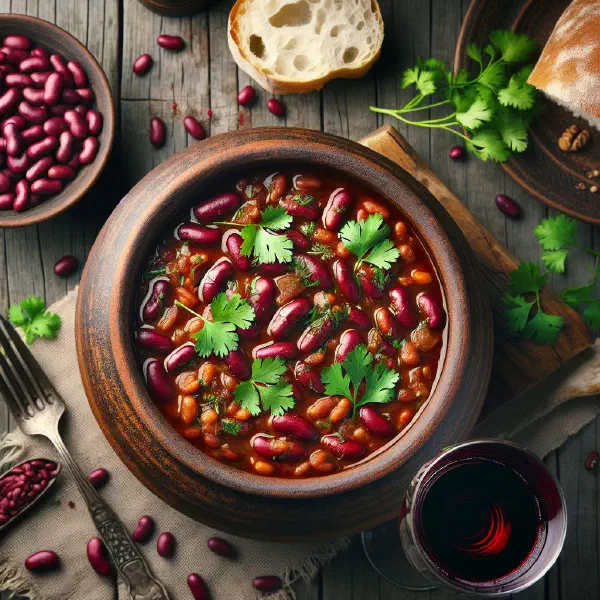
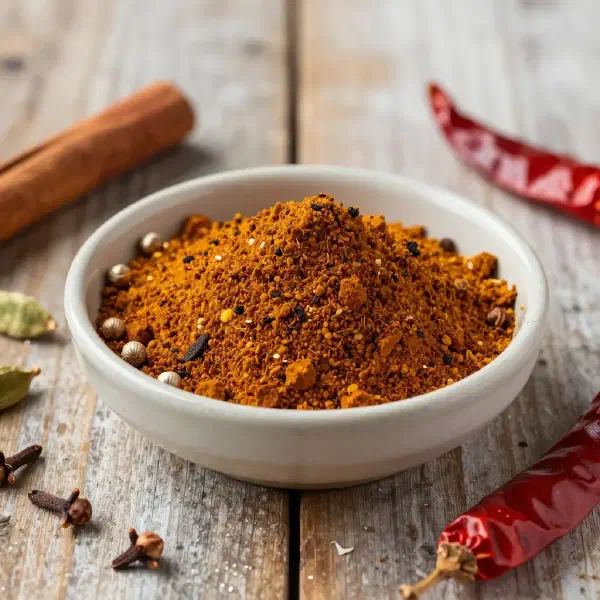
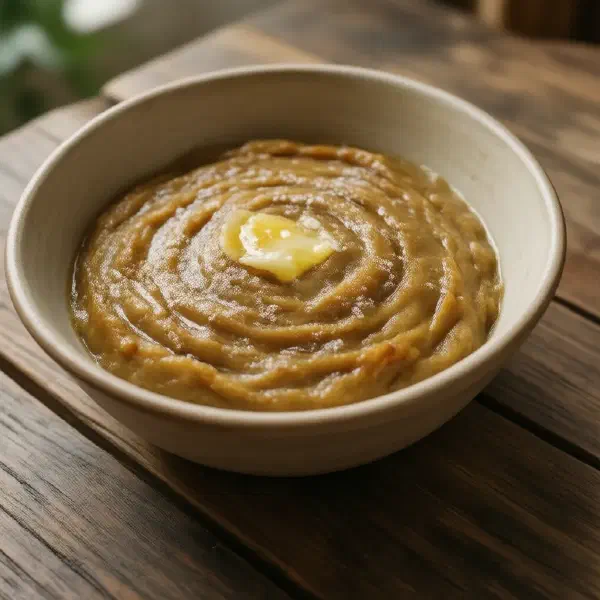
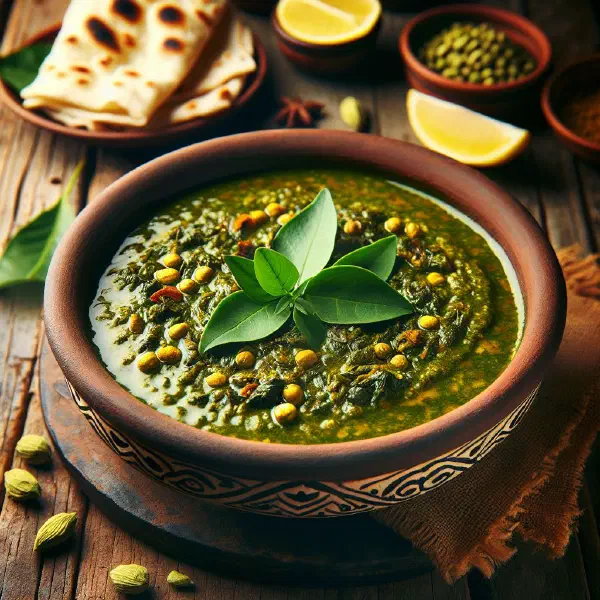
Raw seeds taste bitter. Only a brief toasting in a dry pan makes them nutty and slightly sweet; toasted too dark, they turn bitter again. In Yemen soaked, ground fenugreek is whipped into a froth that crowns salta, a stew cooked in a stone pot. In Iran the dried leaves go into Ghormeh Sabzi, and in Bangladesh the fresh leaves are fried with potatoes to make Aloo Methi. The seeds also belong in the Bengali five-spice mix panch phoron, in berbere and in many curry powders. Half a teaspoon of seeds is usually enough for a curry for four.
Buying fenugreek: what to look for
Whole seeds and kasuri methi are sold in Indian, Turkish, Middle Eastern and African grocers, often in inexpensive 100 g bags. Supermarkets usually stock only ground fenugreek on the spice shelf. It is better to buy whole seeds and grind them yourself, as the powder loses its aroma faster. Good seeds are an even mustard yellow to light brown. Kasuri methi leaves should be green and fragrant, not greyish brown.
Storage and shelf life
Whole seeds keep for two to three years in a tight-sealing jar, stored dark and dry. Ground fenugreek lasts about six months. Kasuri methi smells noticeably weaker after a year. The scent also seeps into other spices and into plastic tubs, so glass is better.
What can you use instead of fenugreek?
For 1 teaspoon seeds in a curry, you can use 1 teaspoon yellow mustard seeds and add a few drops of maple syrup to the sauce, which comes quite close to the sweet-bitter note. For 1 tablespoon kasuri methi, use 1 tablespoon dried celery leaves with a pinch of curry powder. There is no full substitute. In hilbeh or salta, where fenugreek plays the lead, it is worth a trip to a specialist shop.