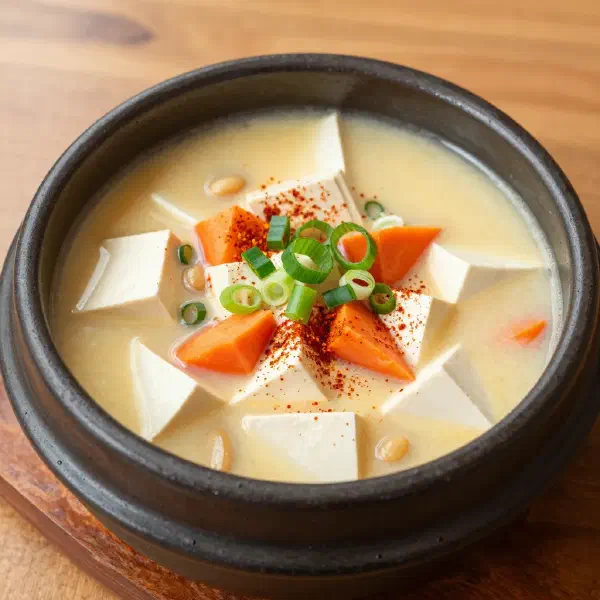
Gochugaru: What It Is, How to Use It and Substitutes
What is gochugaru?
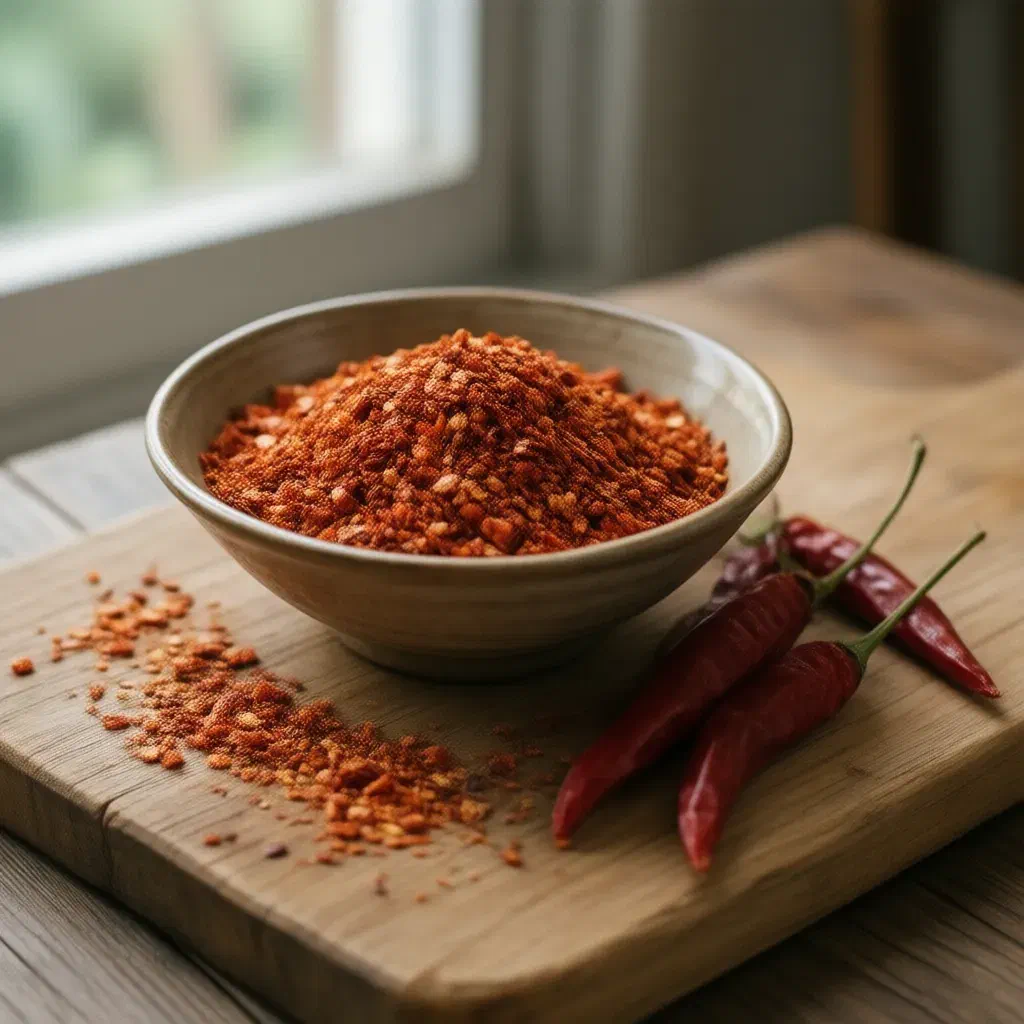
Gochugaru comes from red chillies of the species Capsicum annuum. The pods are harvested ripe, dried and deseeded before grinding. That is why the powder is less hot than many Western chilli flakes, which are crushed seeds and all. The best quality is considered to be taeyangcho, sun-dried chillies. They taste sweeter than pods dried in a kiln. Gochugaru comes in two grinds. The coarse flakes are used for kimchi, marinades and stews. The fine powder colours sauces an even red and also goes into the chilli paste gochujang. According to a widely held view, chilli only reached Korea around the 17th century, probably via Japan. Red kimchi in its present form is therefore younger than many people assume.
Flavour and uses
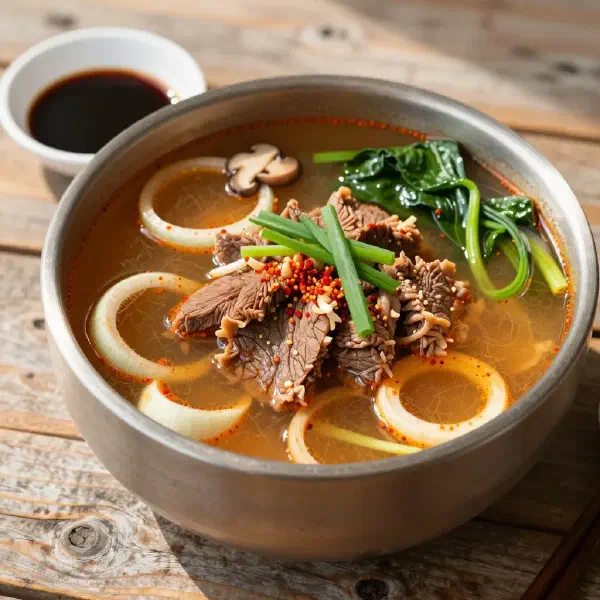
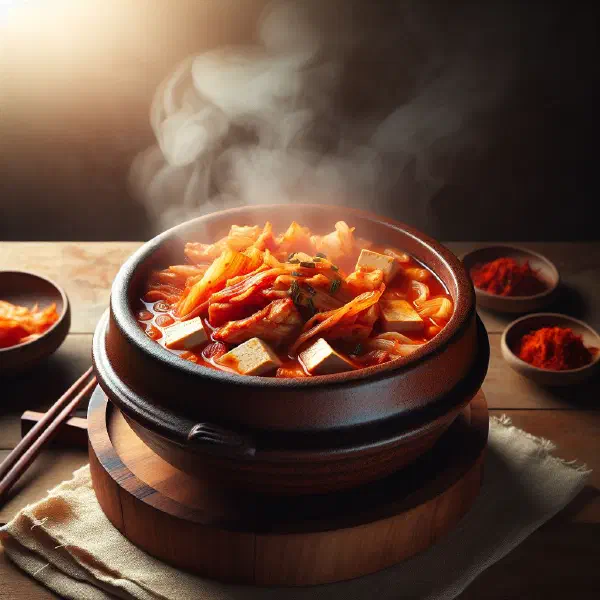
Gochugaru tastes of ripe red pepper, slightly smoky and a little sweet. The heat builds slowly and fades quickly. For Kimchi, stir the coarse flakes with garlic, ginger and fish sauce into a paste that coats the salted Chinese cabbage in red. In Yukgaejang it is briefly fried in oil, which turns the beef broth a deep red. Kimchi Jjigae also gets much of its heat from it. Add to that marinades for pork belly, fried tofu and seasoned bean sprouts. If you want to try it outside Korean cooking, sprinkle half a teaspoon over scrambled eggs or roast vegetables. A good test of the heat is a spoonful of gochugaru in sesame oil, briefly heated and poured over noodles. Only then is it worth using the full amount in kimchi.
Buying gochugaru: what to look for
You can buy gochugaru in Asian and Korean grocers and online, usually in bags of 500 g or 1 kg. The packet often says “Red Pepper Powder” with the word coarse or fine. To begin with, the coarse kind is enough, as it covers almost every recipe. Good gochugaru is bright red and smells fruity. Brown, dusty powder is old. Gochugaru labelled as grown in Korea costs more, and products from China are cheaper.
Storage and shelf life
Gochugaru quickly loses its colour when exposed to air and light. Fill a small jar with a week’s supply and freeze the rest in a sealed bag. In the freezer it stays red and aromatic for a year, in the fridge for about six months. You can use the powder straight from frozen, it does not clump.
What can you use instead of gochugaru?
The closest match is Turkish pul biber, which you can use 1:1. It is a little oilier and saltier but tastes similarly fruity. Without pul biber, mix 2 teaspoons of sweet paprika with ½ teaspoon of cayenne pepper and a pinch of smoked paprika for 1 tablespoon of gochugaru. Ordinary supermarket chilli flakes are much hotter. Use at most a third of the amount and make up the rest with paprika.