Gochujang: What It Is, How to Use It and Substitutes
What is gochujang?
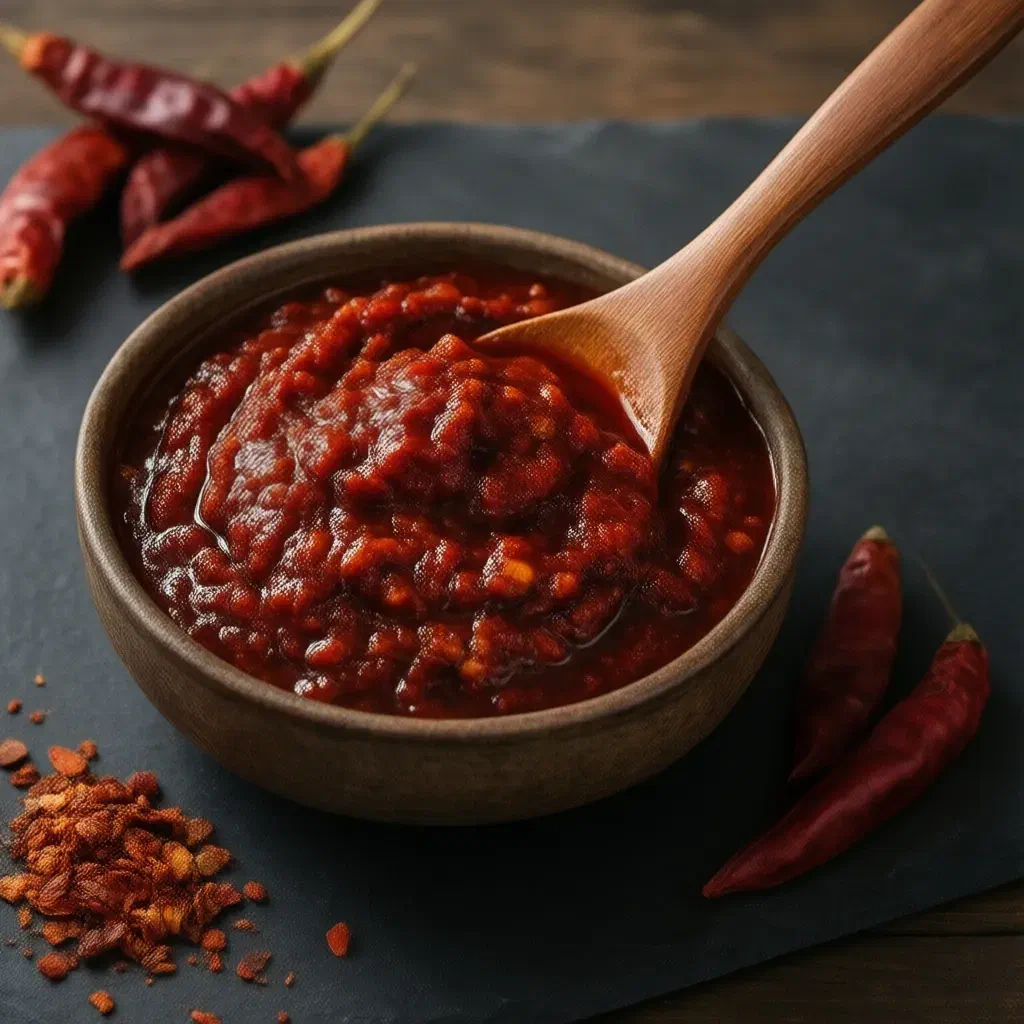
Alongside the soybean paste doenjang and the soy sauce ganjang, gochujang is one of the most important seasonings in Korean cooking. The base is coarsely ground chilli powder (gochugaru), glutinous rice powder, powder from blocks of fermented soybeans (meju) and salt. Many recipes add barley malt or rice syrup, which breaks down the starch and makes the paste sweeter. Traditionally the mixture matures for months in large earthenware jars called onggi, which stand outdoors on terraces. This gives the paste its rounded, almost meaty flavour and its glossy, sticky texture. Factory-made gochujang matures for less time and often contains wheat, glucose syrup and alcohol as a preservative. Chillies only reached Korea from the Americas in the early modern period, so gochujang is much younger than doenjang and soy sauce.
Flavour and uses
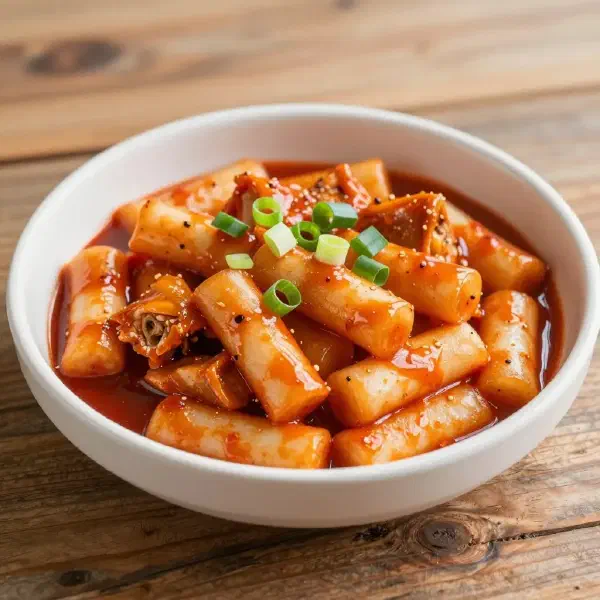
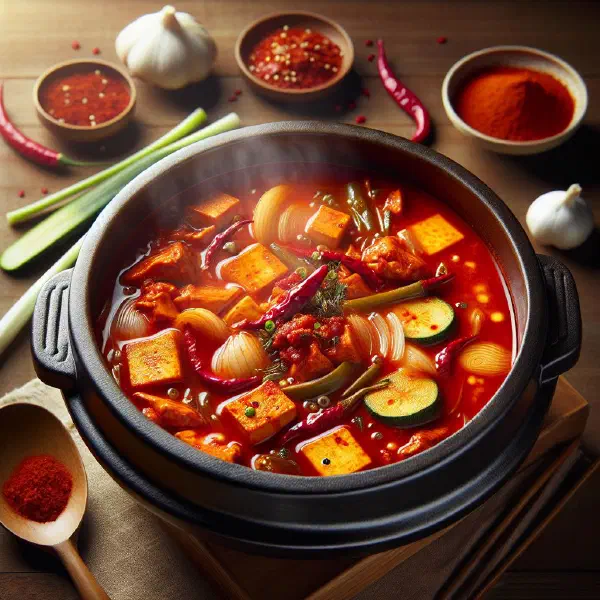
Gochujang is hot, but not harsh. The sweetness from the rice and the umami depth from fermentation soften the heat. On its own it is sticky and salty, so it is almost always loosened with sesame oil, vinegar, sugar or stock. That is how the sauce for Bibimbap is made, which is only mixed in at the table. In Tteokbokki, rice cakes simmer in a sweet and spicy gochujang sauce, and in Dak Galbi it is the marinade for the chicken. It seasons stews such as jjigae and glazes fried chicken. Stirred into mayonnaise or yoghurt, it makes a quick dip for vegetables and chips.
Buying gochujang: what to look for
You will find gochujang at Korean and other Asian grocers in red plastic tubs, usually 500 g or 1 kg, and increasingly in larger supermarkets and online. Many tubs show a heat scale from mild to very hot. The medium level is a good place to start. Read the ingredients list. Good pastes have chilli, rice and soy near the top, while cheap ones are mostly glucose syrup. If you avoid gluten, you need a wheat-free version.
Storage and shelf life
Once opened, gochujang belongs in the fridge. Thanks to its high salt content it keeps there for many months. The surface can darken and dry out over time, which is harmless. After use, press the film back onto the paste and always use a clean spoon.
What can you use instead of gochujang?
A workable substitute for 1 tbsp gochujang is 2 tsp light miso paste, 1 tsp gochugaru or mild chilli flakes, 1 tsp honey or rice syrup and a few drops of soy sauce. Stir until smooth and leave to stand briefly. Sriracha on its own is too thin and too sour, but combined with a little miso and sugar it comes closer. Chinese chilli bean paste tastes saltier and has no sweetness.