Lemongrass: What It Is, How to Use It and Substitutes
What is lemongrass?
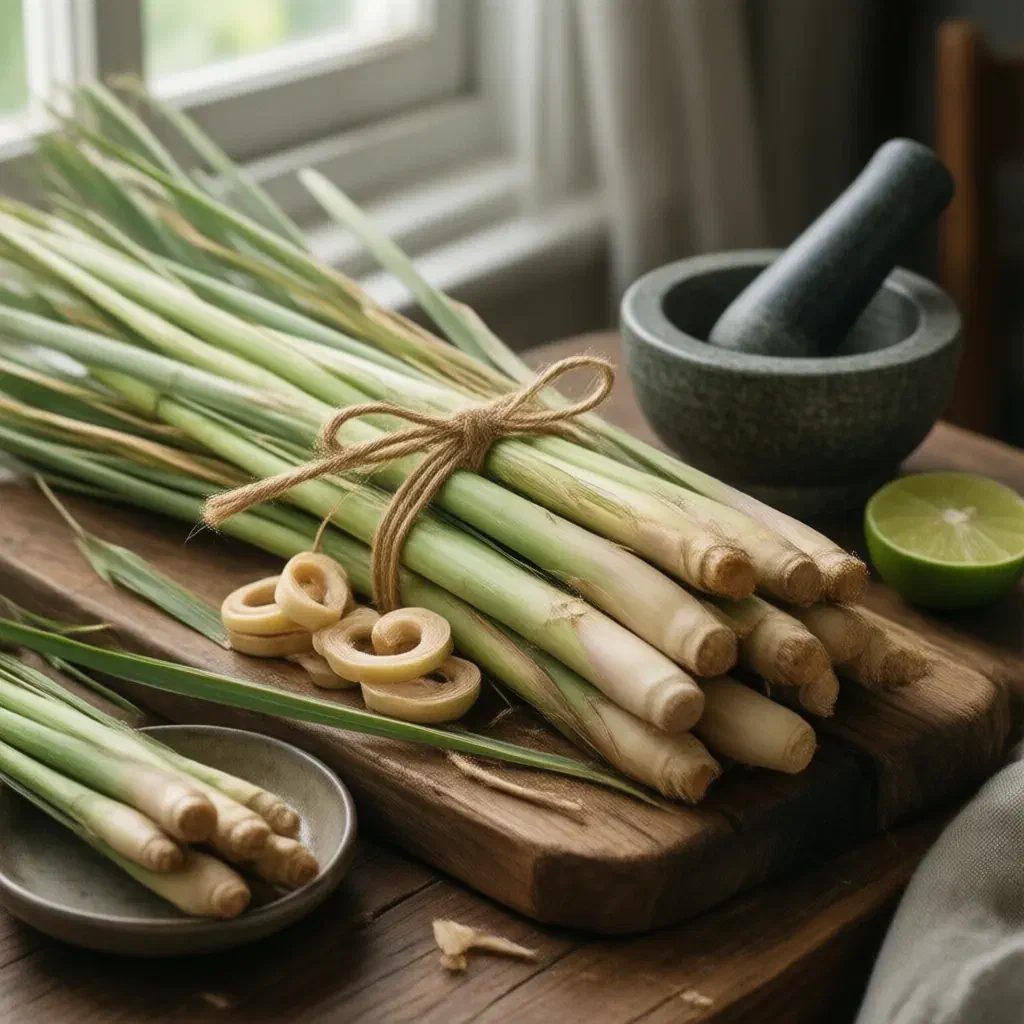
Lemongrass, botanically Cymbopogon citratus, is a grass from tropical Asia. The plant forms dense clumps with long, sharp-edged leaves. The part you eat is the thick lower section of the stalk, roughly the bottom 10 to 15 centimetres. The lemon scent comes from the essential oil citral, which is also found in lemon peel. That is why the grass smells of lemon but does not taste sour. In Thailand it is called takhrai, in Vietnam sả, in Indonesia sereh. Today it is grown in many tropical countries, including in Africa and Central America. In cooler climates such as Central Europe the plant does not survive the winter outdoors. In a pot on a balcony, though, it grows well over the summer, and a fresh stalk from an Asian grocer will often put out roots in a glass of water after one to two weeks.
Flavour and uses
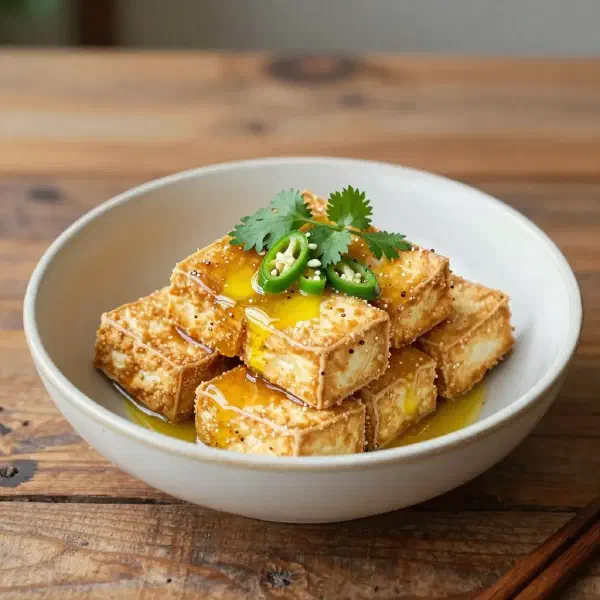
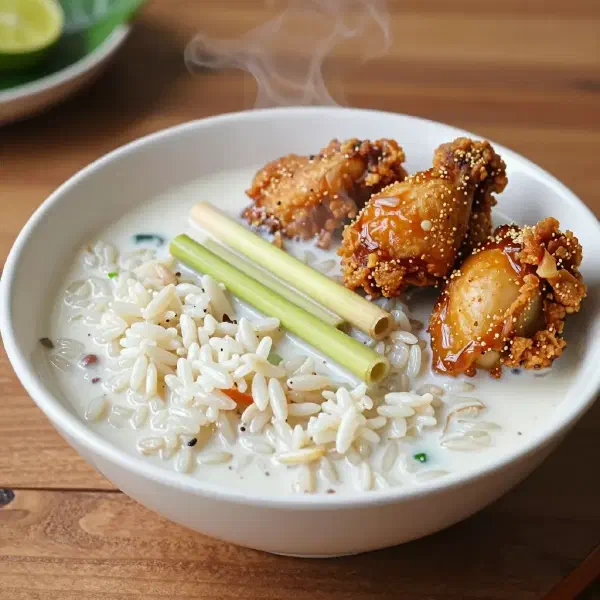
Fresh lemongrass tastes of lemon zest with a slightly grassy, floral note. Before cooking, peel off the tough outer leaves and trim the dry end. For soups, bruise the stalks with the back of a knife and cut them into large pieces that are fished out later. For pastes and marinades, the tender centre is sliced very finely and pounded, otherwise whole fibres get stuck between your teeth. A good example is the Coconut and Lemongrass Soup from Fiji. In Vietnam tofu is fried with chopped lemongrass and chilli to make Dau Sot Xa Ot. In Gambia the leaves are boiled into a Lemongrass Drink, which also uses the green tops that would otherwise be thrown away.
Buying lemongrass: what to look for
Fresh lemongrass is sold at Asian grocers and now in the vegetable section of many supermarkets. Good stalks are firm, heavy and pale green to cream. If you score the end, it should smell strongly straight away. Dry, brown or bendy stalks have lost most of their aroma. Dried lemongrass is fine for tea but too woody for curry pastes.
Storage and shelf life
Wrapped in cling film or in a bag, lemongrass keeps for about two weeks in the vegetable drawer. It freezes very well, whole or finely chopped in small portions. Frozen, it keeps its aroma for several months. You can add chopped lemongrass straight from the freezer to the pan.
What can you use instead of lemongrass?
For one stalk of lemongrass, use the finely grated zest of half an unwaxed lemon and one makrut lime leaf. Without a lime leaf, a little lemon balm works too, about five leaves. Add the zest only towards the end of cooking, or it turns bitter. Lemon juice is not a substitute, as it brings the acidity that lemongrass does not have.