Matcha: What It Is, How to Use It and Substitutes
What is matcha?
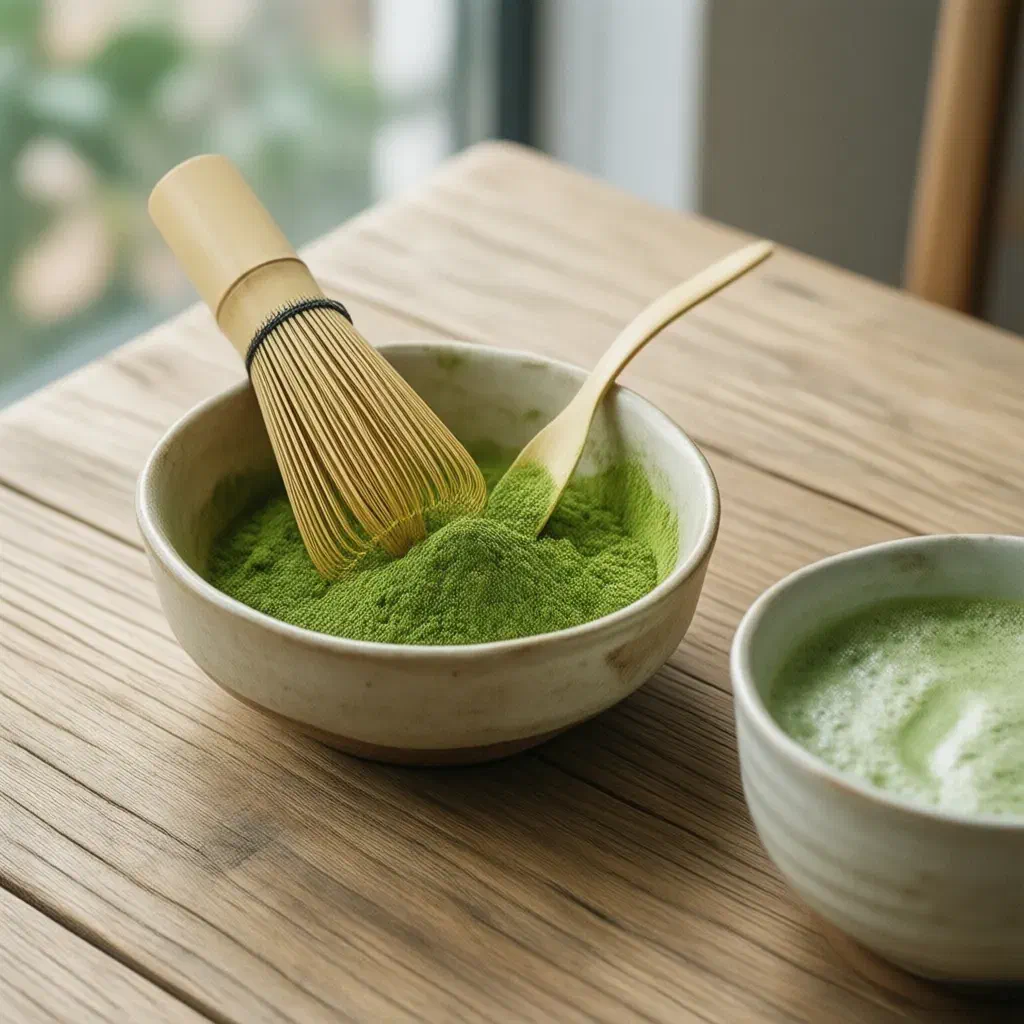
Matcha comes from Japan, and the best-known growing areas are around Uji near Kyoto and Nishio in Aichi Prefecture. For the last few weeks before harvest, the tea bushes are kept in the shade. This makes the leaves produce more chlorophyll, so they turn dark green and soft. After steaming and drying, the producers remove the stems and veins. What remains is called tencha. Only these leaf pieces are ground in stone mills into a powder as fine as icing sugar. A single mill grinds only a few dozen grams an hour, which explains the price of good grades. In the Japanese tea ceremony, matcha is whisked until frothy with a bamboo whisk. Because you consume the whole leaf, a bowl contains more caffeine than an ordinary cup of brewed green tea.
Flavour and uses
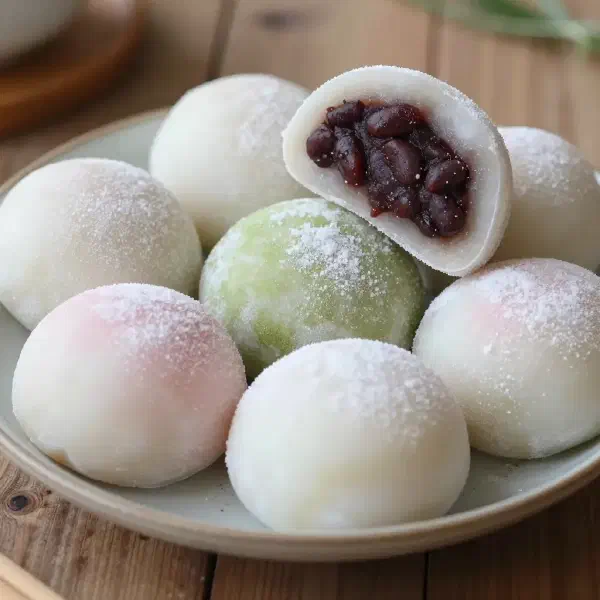
Good matcha tastes grassy and slightly sweet, with a savoury depth the Japanese call umami. Cheap matcha, on the other hand, is noticeably bitter. To drink it, whisk 1 to 2 g of powder with about 70 ml of water at 70 to 80 °C. Boiling water makes it harsh. For a matcha latte, add frothed milk. In cooking, the powder goes well with sweet things made with cream, bean paste or white chocolate. In Japan matcha goes into the batter of Matcha Dorayaki, into mochi and into green Matcha Ice Cream. Sponge cake, custard or pancakes can also take 1 to 2 teaspoons of it. Sift the powder first, or it will form lumps.
Buying matcha: what to look for
You can buy matcha from Asian grocers, tea shops, health-food shops and well-stocked supermarkets. There are two grades. Ceremonial matcha is meant for drinking, while culinary matcha is stronger and cheaper and is perfectly fine for baking. The colour tells you a lot. A bright, deep green points to fresh matcha, while yellowish or olive-brown powder is old or of poor quality. Buy small tins, as the flavour fades quickly once opened.
Storage and shelf life
Light, heat and oxygen make matcha dull and bitter. Keep it in an airtight, opaque tin in the fridge. Let the tin come to room temperature before opening it, or condensation will get into the powder. Once opened, use matcha within about four to six weeks. After that it hasn’t gone off, but it tastes flat.
What can you use instead of matcha?
There is no true substitute, because the colour and flavour come from the shaded leaf. For baking, you can grind sencha or another Japanese green tea very finely in a spice grinder and push it through a tea strainer. Use the same amount, so 1 teaspoon of ground sencha for 1 teaspoon of matcha. The result is more bitter and rather grey-green. If it is only about colour, ½ teaspoon of spinach powder will turn the batter for a small loaf tin green, but it adds no tea flavour.