Mirin: What It Is, How to Use It and Substitutes
What is mirin?
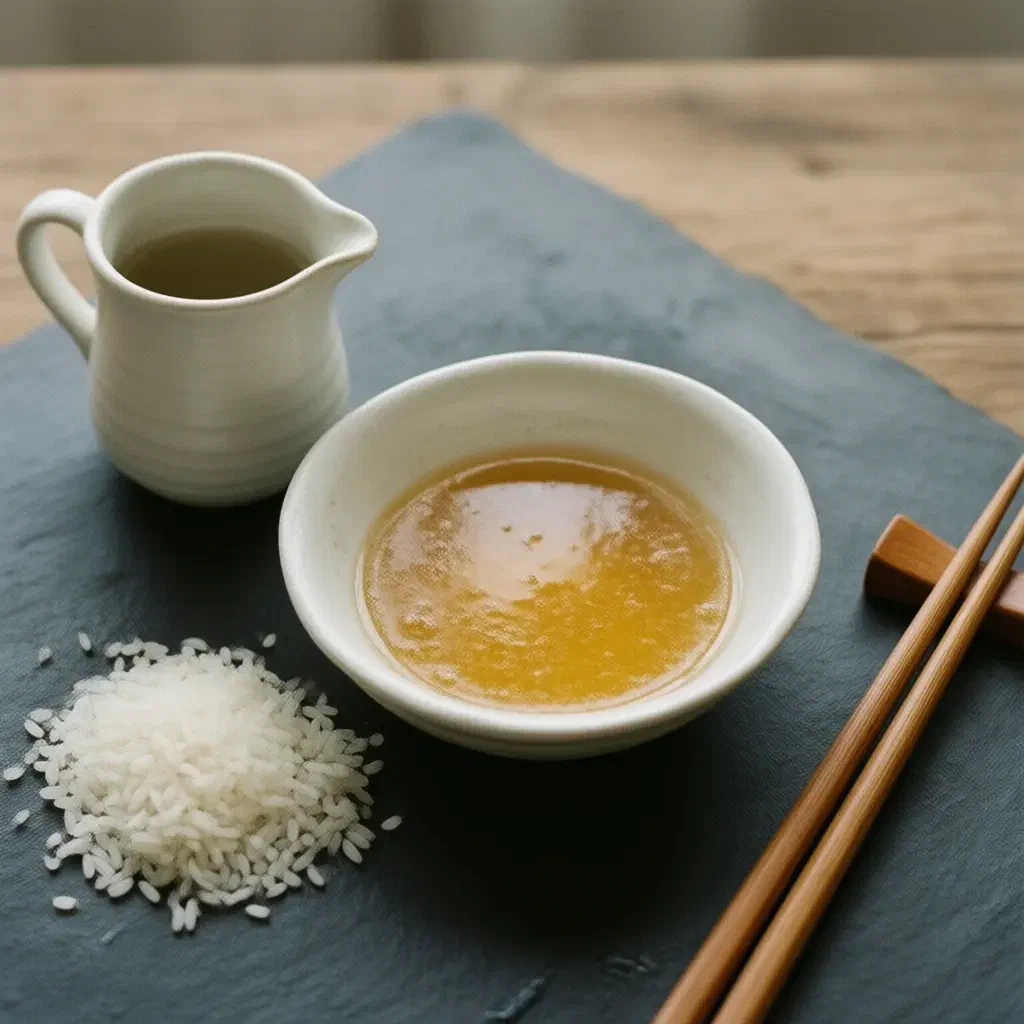
Mirin is made from steamed glutinous rice, rice koji and a distilled alcohol. The koji mould (Aspergillus oryzae) breaks down the starch in the rice into sugar. Because the alcohol slows fermentation, much of this sugar remains. After roughly 40 to 60 days of ageing, the mash is pressed. The result is called hon mirin (true mirin). It contains around 14 per cent alcohol and tastes distinctly sweet. There is also mirin-style seasoning, known in Japan as mirin-fu chomiryo. It is usually made from glucose syrup, rice and flavourings and contains hardly any alcohol. It is cheaper but tastes flatter. Today mirin is used almost only at the stove.
Flavour and uses
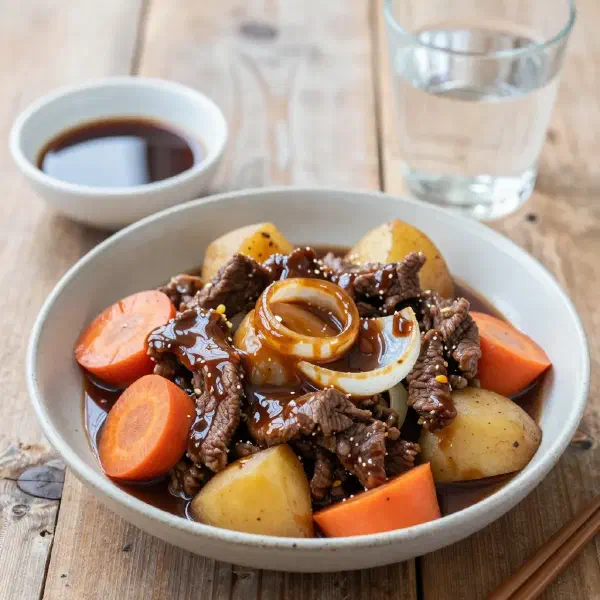
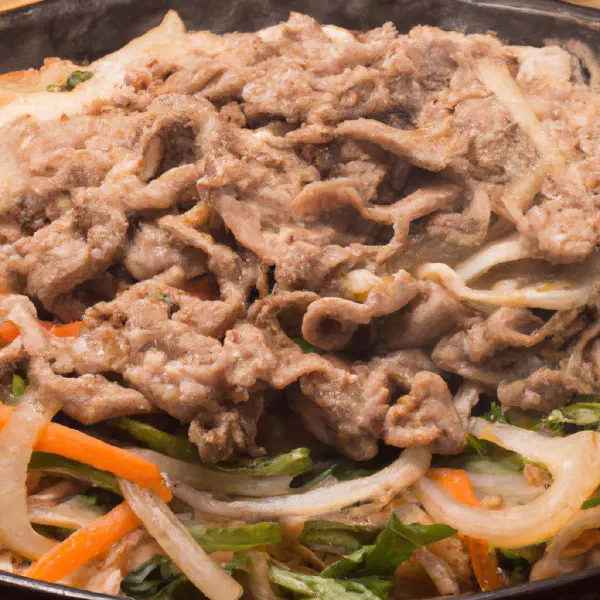
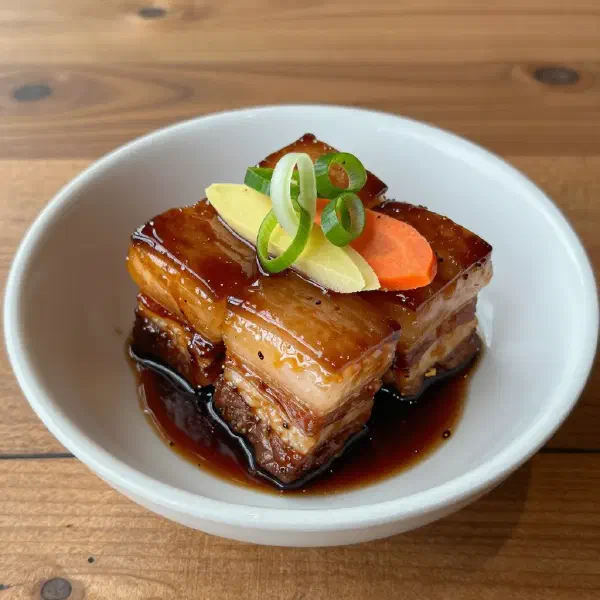
Mirin tastes mildly sweet, a little of rice, with a gentle acidity. As it cooks, the alcohol evaporates, leaving sweetness and a glossy, slightly sticky finish. The classic teriyaki glaze is made from soy sauce, mirin and cooking sake in roughly equal parts. For Nikujaga, beef and potatoes are braised in a mixture of dashi, soy sauce and mirin. In Tamagoyaki, a teaspoon goes into the beaten eggs, which makes the rolled omelette moist and lightly sweet. Korean Bulgogi is often marinated with mirin too. The order matters. Add mirin early or let it boil briefly if you do not want any taste of alcohol. For dips and dressings, bring it briefly to the boil and let it cool.
Buying mirin: what to look for
You can buy mirin at any Asian grocer and increasingly in the world food aisle of larger supermarkets, usually in bottles of 150 to 500 ml. Read the ingredients list. If it lists only glutinous rice, rice koji and alcohol, you have hon mirin. If glucose syrup comes first, it is mirin-style seasoning. For glazes and braises the real thing is worth it, as it caramelises more evenly and tastes rounder. For a soup that only needs a splash, the cheaper version is fine.
Storage and shelf life
Thanks to its alcohol and high sugar content, hon mirin keeps well. Tightly closed and stored in the dark, it stays usable for several months after opening. In the fridge the sugar can crystallise, so true mirin is better kept in the cupboard. Low-alcohol mirin-style seasoning, on the other hand, should go in the fridge once opened and be used within about three months.
What can you use instead of mirin?
For 2 tbsp mirin, mix 2 tbsp cooking sake with 2 tsp sugar and stir until the sugar dissolves. For an alcohol-free version, stir 2 tbsp water with 1½ tsp sugar and 3 to 4 drops of rice vinegar. The vinegar replaces the light acidity. For glazes, the sake mixture works best because it reduces to a similar shine.