Nigella Seeds: What It Is, How to Use It and Substitutes
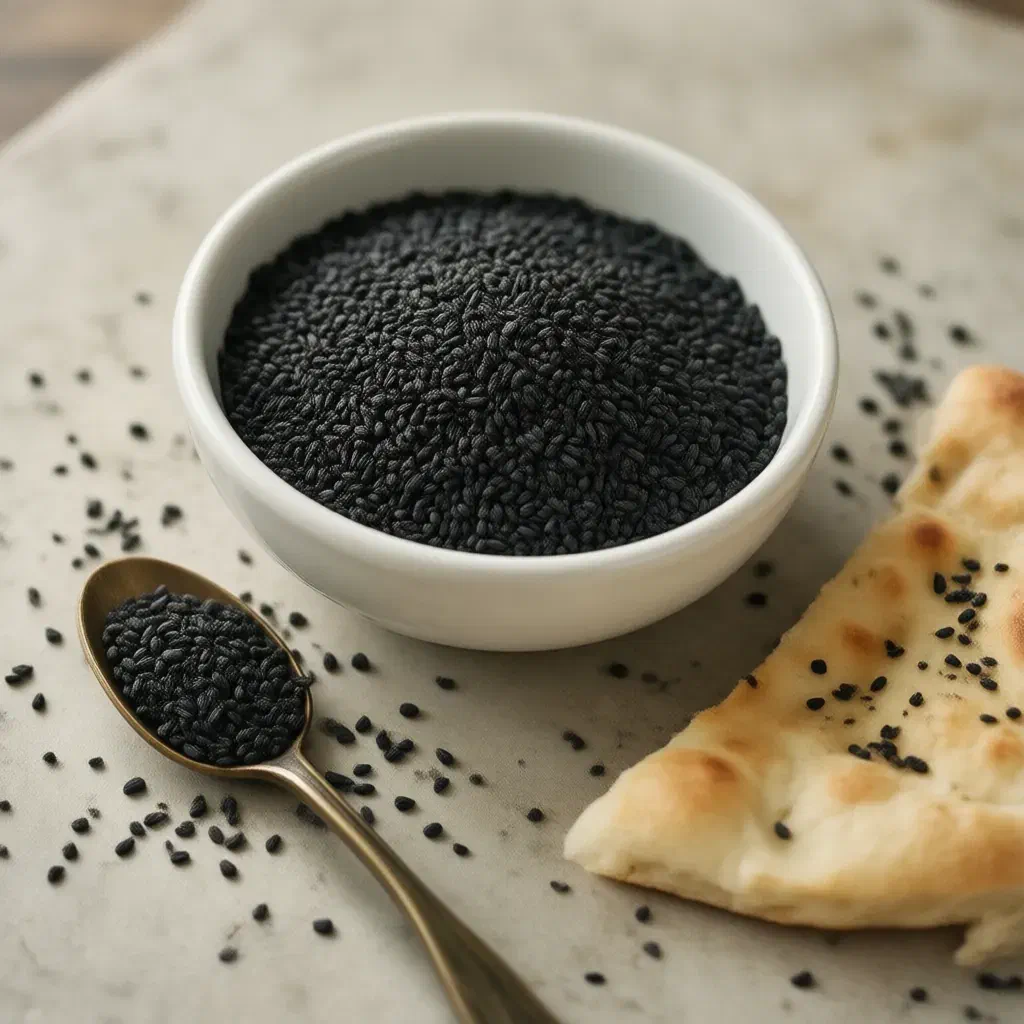
What are nigella seeds?
Nigella (Nigella sativa) is an annual plant of the buttercup family with pale blue flowers, and it belongs to the same genus as the garden flower love-in-a-mist. It originates in Western Asia and is now grown in many countries between North Africa and India. The seeds ripen in inflated pods. They are about three millimetres long, jet black, three-sided and slightly wrinkled. Botanically they have nothing to do with caraway or cumin, which belong to the carrot family. In Turkish they are called çörek otu, in India kalonji. The trade name black onion seed is misleading, as the plant has nothing to do with onions. The seeds are also pressed to make nigella seed oil (black seed oil).
Flavour and uses
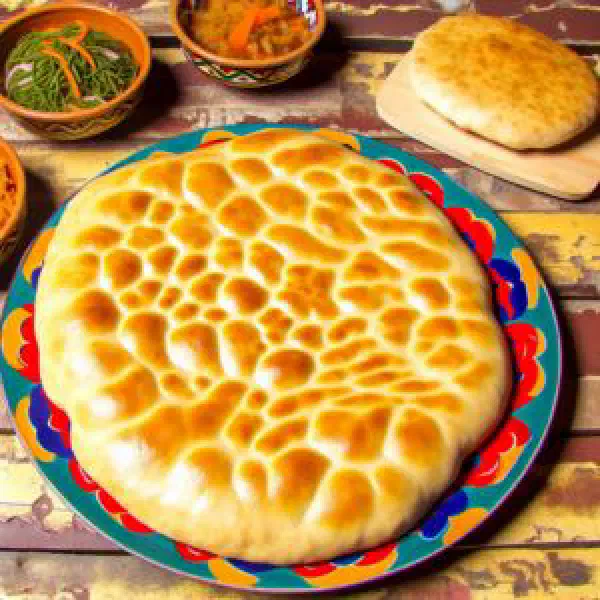
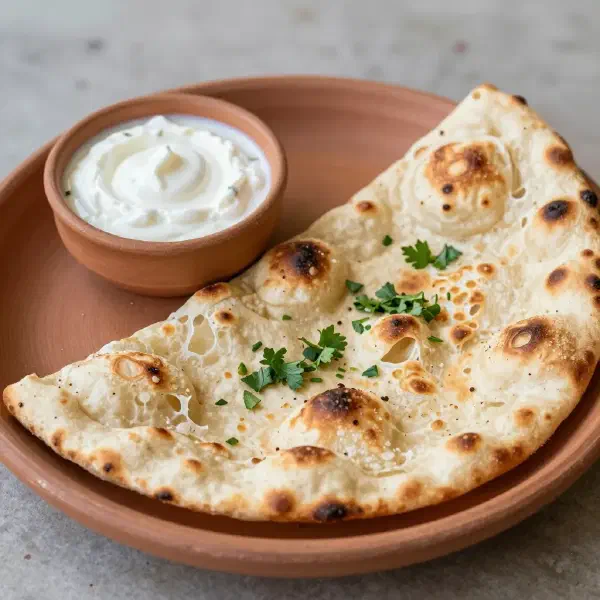
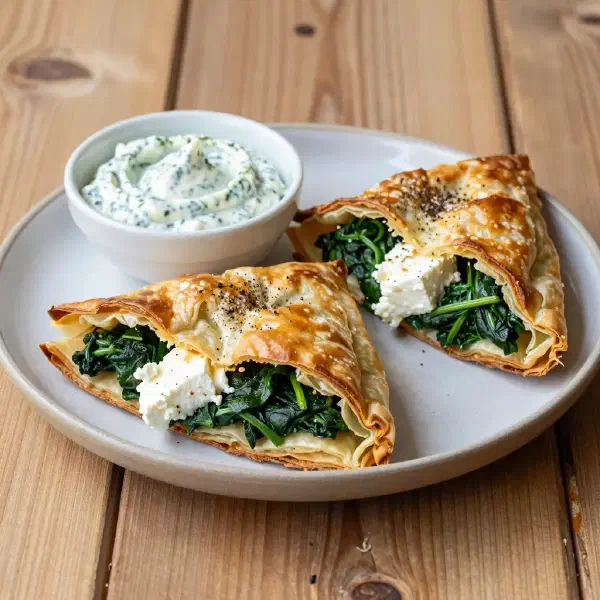
Nigella seeds taste slightly bitter and peppery, with a hint of oregano and thyme. Toasted briefly, they turn nuttier. Most often they end up on bread. Uzbek Patir is brushed with egg yolk and sprinkled with the seeds before baking, as are Iranian Naan-e Barbari and Turkish pide. In Bengali cooking they go into the spice mix panch phoron, together with cumin, fennel, fenugreek and mustard seeds. There the whole seeds are fried in hot oil until they crackle, then vegetables or fish are added. In the Levant they season sheep’s cheese and filled pastries such as Fatayer. Half a teaspoon is enough for one flatbread.
Buying nigella seeds: what to look for
Nigella seeds are cheapest at Turkish, Middle Eastern or Indian grocers, usually sold as çörek otu or kalonji in 100 g bags. Supermarkets and spice merchants stock them too. Buy whole seeds, as ground nigella loses its aroma quickly. The seeds should be evenly black and dry, without dust or bits of stalk. Do not confuse them with black sesame, which is rounder, smoother and mild in flavour.
Storage and shelf life
Whole seeds keep for one to two years in a tightly sealed jar in a cool, dark place. Because they contain a lot of oil, they can turn rancid in warm conditions. If they smell musty or have hardly any flavour left, replace them. Use ground nigella within a few weeks.
What can you use instead of nigella seeds?
On bread and pastries, replace 1 tsp nigella seeds with 1 tsp black sesame seeds and a pinch of dried oregano. This comes closest in looks, though the flavour is milder. In curries and vegetable dishes, use 1/2 tsp whole cumin seeds and a pinch of coarsely ground black pepper for every 1 tsp nigella seeds. Celery seeds bring a similarly bitter note, and 1/2 tsp is enough.