Palm Sugar: What It Is, How to Use It and Substitutes
What is palm sugar?
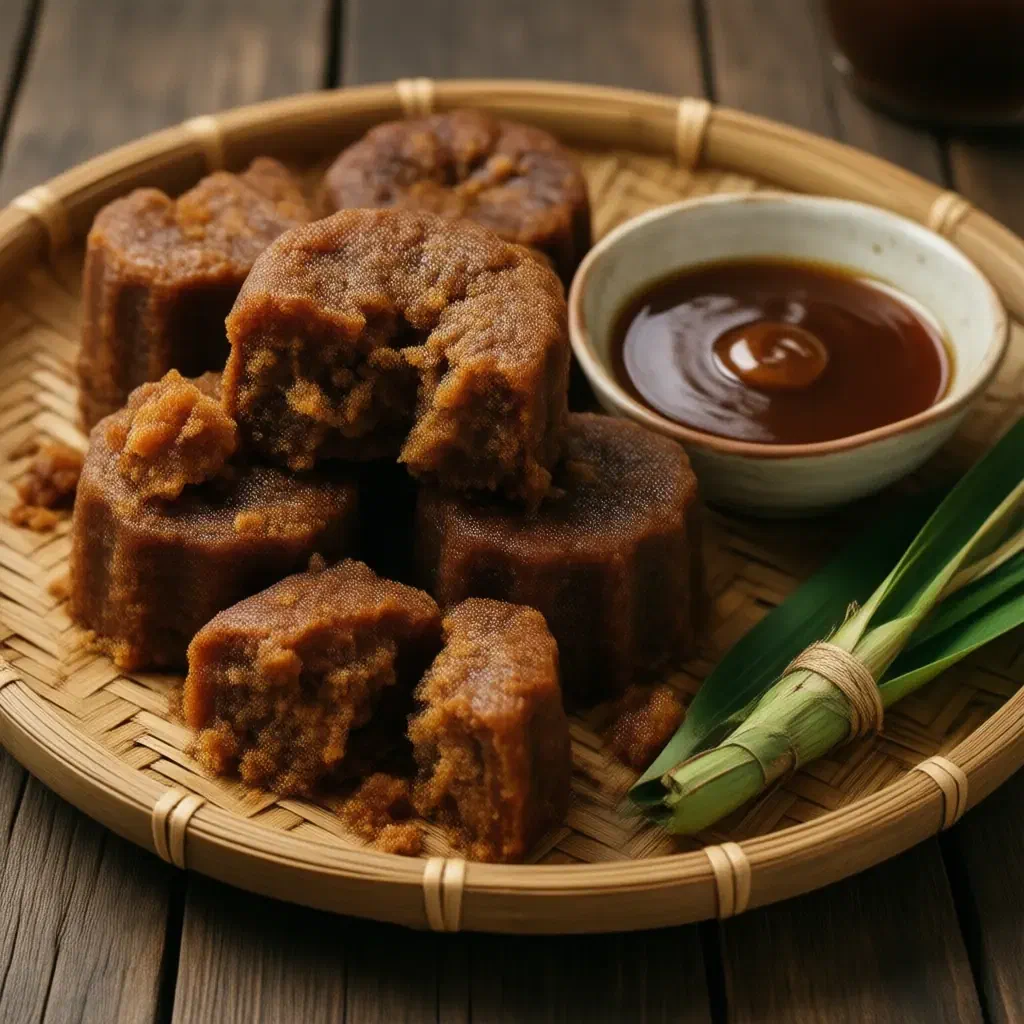
To make palm sugar, the flower stalks of a palm are cut and the sap that runs out is collected in containers. The sap is boiled over a fire until it thickens, then poured into moulds or packed as a paste. Depending on the region it comes from different palms. In Thailand it is usually the coconut palm or the palmyra palm, in Cambodia the palmyra palm. In Malaysia it is mainly the coconut palm, in Indonesia the coconut palm or the sugar palm (Arenga). In Malaysia the sugar is called gula melaka and sold in cylinders, on Java it is gula jawa. In Sri Lanka kithul jaggery is made from the fishtail palm. Coconut sugar is a form of palm sugar from coconut palms. A word of caution about jaggery: in India the term usually means sugar made from sugar cane.
Flavour and uses
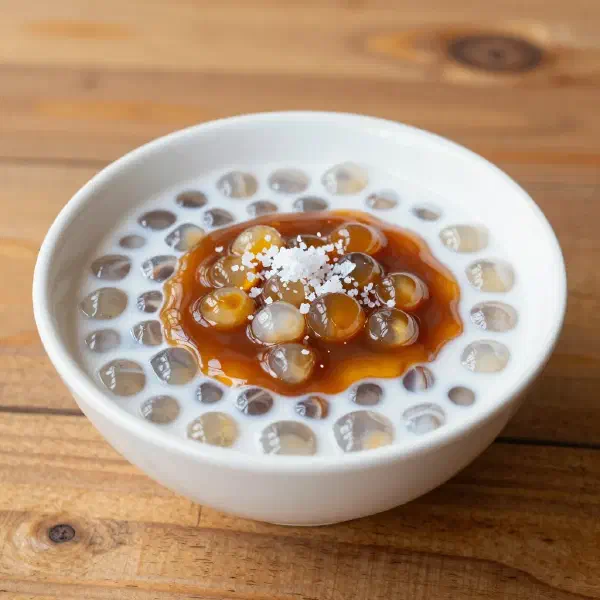
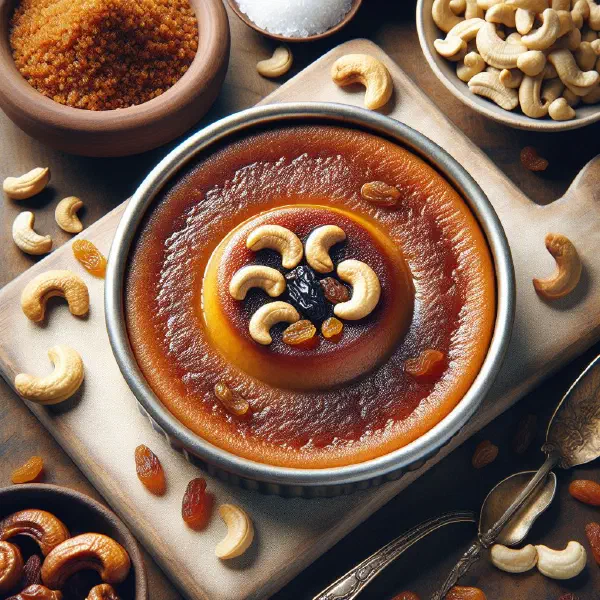
Palm sugar tastes of caramel and toffee, and sometimes of smoke from the cooking fire. In Thai dishes it balances sour, salty and hot flavours, for example in pad Thai with prawns, together with tamarind and fish sauce. For desserts, melt it with a little water and a pandan leaf to make a syrup. In Singapore this syrup is poured over Sago Gula Melaka and over cendol. In Indonesia a piece of palm sugar goes inside the rice-flour balls called Klepon and melts into a liquid filling as they cook. In Sri Lanka, dark kithul gives the coconut custard watalappan its colour.
Buying palm sugar: what to look for
You can buy palm sugar at Asian grocers and in the world food aisle of larger supermarkets. It comes as hard blocks, cylinders, discs and soft paste in jars. The paste is the easiest to measure. Read the ingredients list, as many cheap products are bulked out with cane sugar. Dark kinds such as gula melaka taste stronger than pale Thai palm sugar. Coconut sugar from supermarkets and health-food shops is free-flowing and milder.
Storage and shelf life
Kept airtight in a cool, dry place, palm sugar lasts one to two years. Over time it hardens. Grate hard blocks finely, or warm them briefly in the microwave or over steam so that you can cut them. Paste in jars may crystallise on the surface, which does no harm.
What can you use instead of palm sugar?
The closest match is coconut sugar, swapped 1:1. Otherwise, use 100 g muscovado or dark brown sugar for 100 g palm sugar. To replace pale palm sugar in Thai sauces, use 80 g light brown sugar and 1 tbsp maple syrup. White sugar sweetens but brings no caramel flavour.