Panko: What It Is, How to Use It and Substitutes
What is panko?
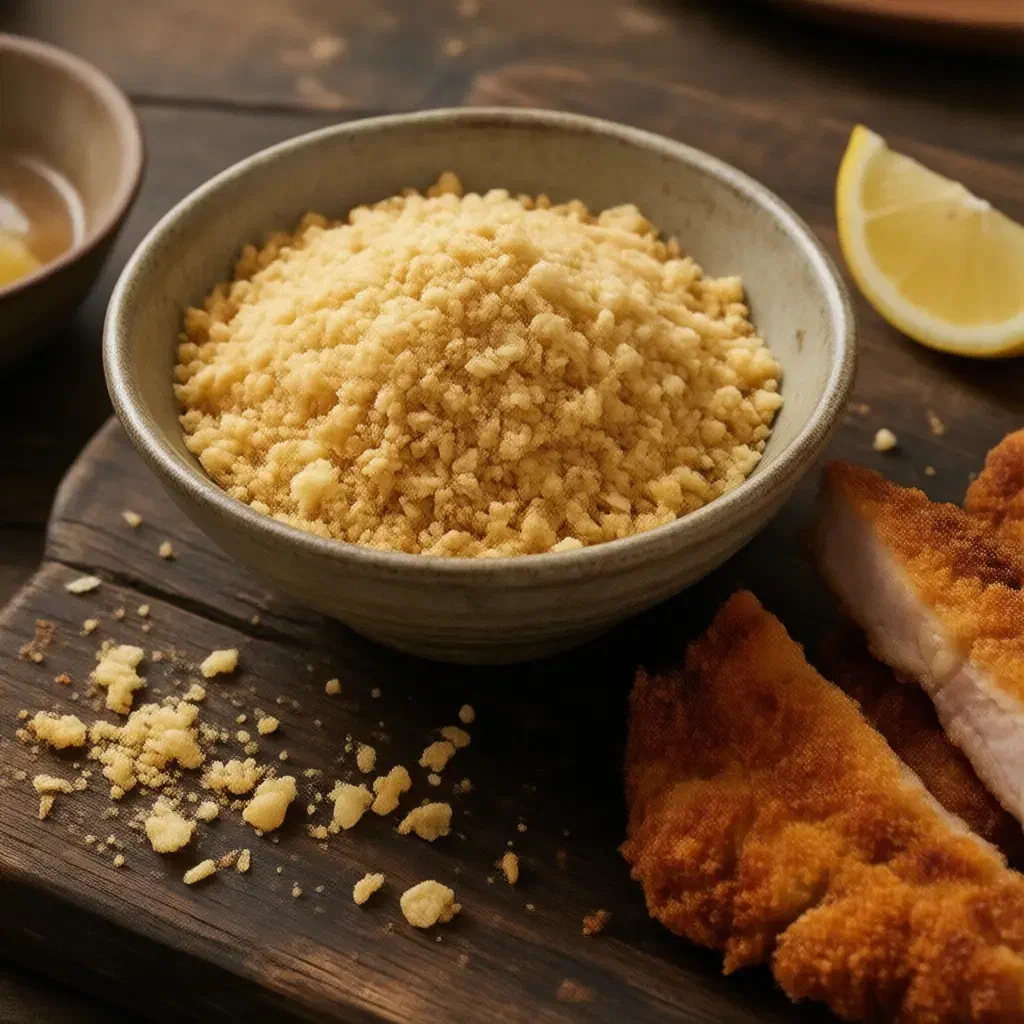
The name combines pan, meaning bread, and ko, meaning flour or powder. For industrial panko, manufacturers bake a white loaf from wheat flour, yeast, salt and a little sugar, often between two electrodes using an electric current rather than in an oven. This produces a loaf with no brown crust. It is then coarsely broken up and dried. The flakes are elongated, irregular and full of air pockets. When fried, they absorb less fat than fine crumbs and so turn out crisper. Panko is closely linked to the Western-style breaded dishes that appeared in Japan from the late 19th century. There is white panko and a yellowish-golden version that browns a little faster. Panko contains wheat and is not gluten-free.
Flavour and uses
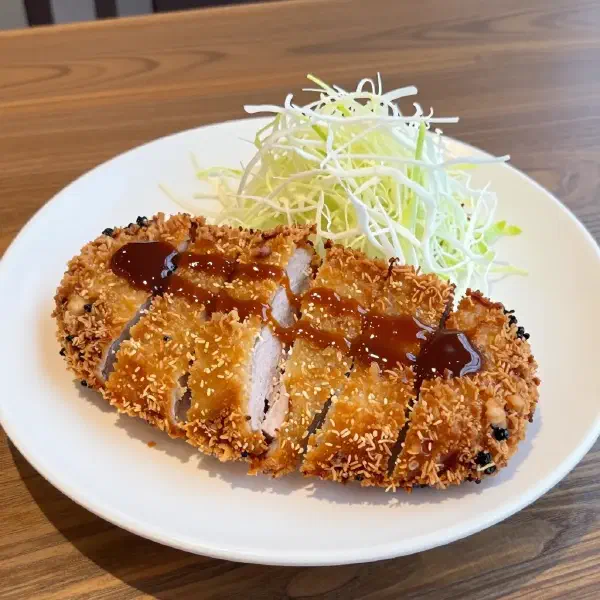
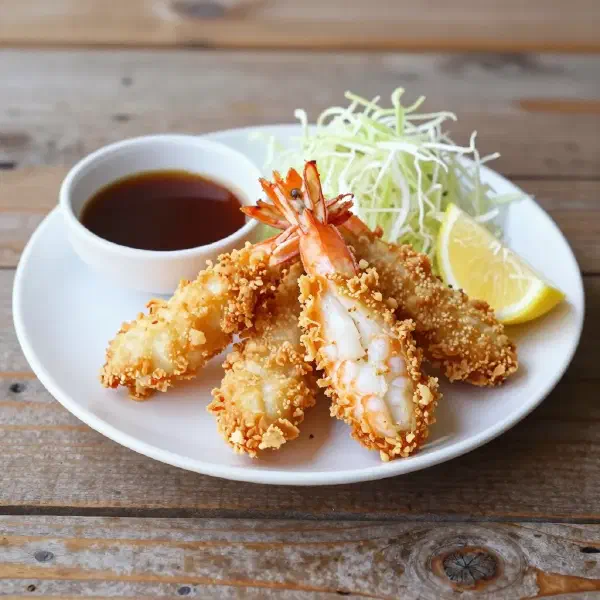
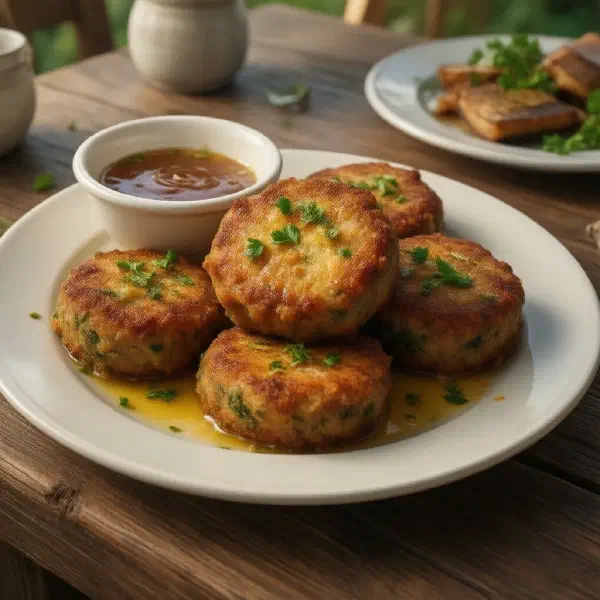
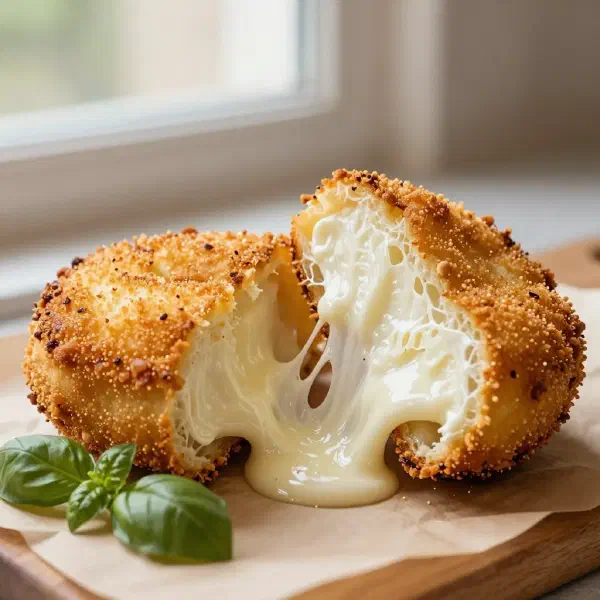
Panko itself tastes of very little. It is all about the crunch. The best-known dish is Tonkatsu, a thick breaded pork cutlet served with finely shredded white cabbage. In Ebi Fry, panko coats large prawns, and in kaki fry it coats oysters. Outside Japan, panko has caught on for crab cakes, for example, and for Mozzarella in Carrozza. For vegetarian versions, try aubergine, pumpkin or tofu. Breading works as usual: flour, beaten egg and finally panko. Press the flakes on only lightly, otherwise they flatten. The right frying temperature is 170–175 °C. Panko also works well in the oven or an air fryer if you toss the flakes with a little oil first.
Buying panko: what to look for
You will find panko in Asian grocers and in most larger supermarkets, usually near the ordinary breadcrumbs. Look at the size of the flakes. Good panko is coarse and irregular, with little fine dust at the bottom of the packet. Some products also contain palm oil or colouring for the golden shade. Gluten-free panko made from rice or maize is sold in health-food shops and online.
Storage and shelf life
Unopened, panko keeps until the best-before date on the packet. Seal opened packets well and store them somewhere dry, as moisture makes the flakes soft. Panko easily picks up smells and can turn rancid if kept for a long time. If it smells musty or stale, throw it away. Use homemade panko within two weeks.
What can you use instead of panko?
Panko is easy to make yourself. Cut the crusts off 4 slices of white sandwich bread and grate the insides coarsely, or break them up in a blender with a few short pulses. Dry the crumbs on a baking tray at 150 °C for about 10 minutes without letting them brown. This makes roughly 60 g. Ordinary breadcrumbs also work, but the coating will be denser and darker. Crushed unsweetened cornflakes are another crunchy alternative.