Saffron: What It Is, How to Use It and Substitutes
What is saffron?
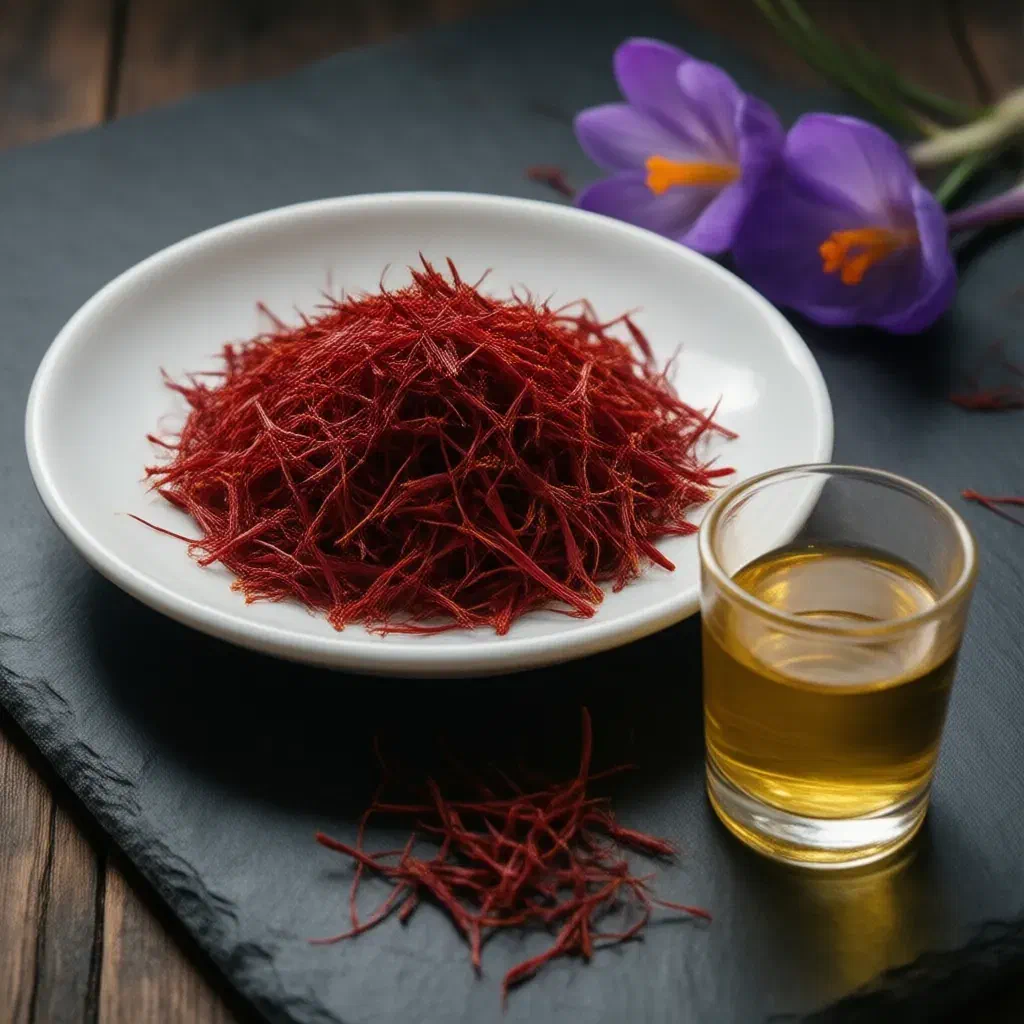
Saffron comes from the saffron crocus (Crocus sativus), which flowers purple in autumn. Each flower has three red stigmas. They are plucked by hand on the day of harvest and then dried. Depending on the source, one kilogram of saffron takes around 150,000 to 200,000 flowers. Iran supplies most of the world’s production, with smaller amounts coming from Spain, Greece, Afghanistan and Indian Kashmir. The pigment crocin gives the yellow colour, and a compound called safranal gives the scent. Spanish saffron from La Mancha carries a protected designation of origin. Saffron is water-soluble, which is why you soak it in warm liquid before cooking. As early as the 14th century, official saffron inspectors in Nuremberg checked the goods to keep fake saffron off the market.
Flavour and uses
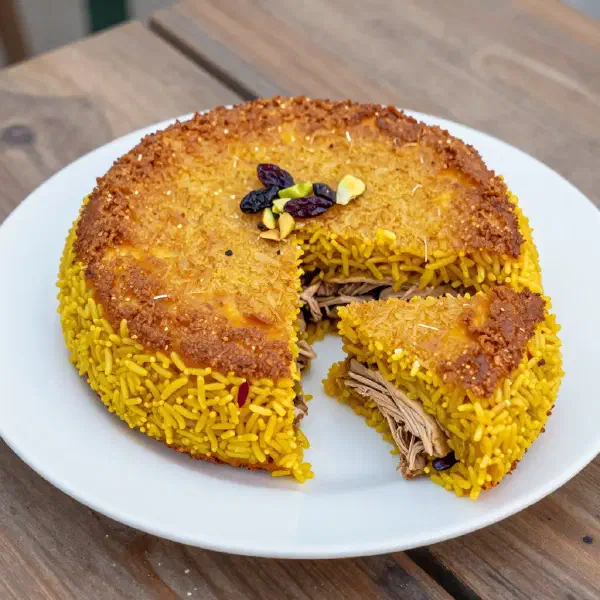
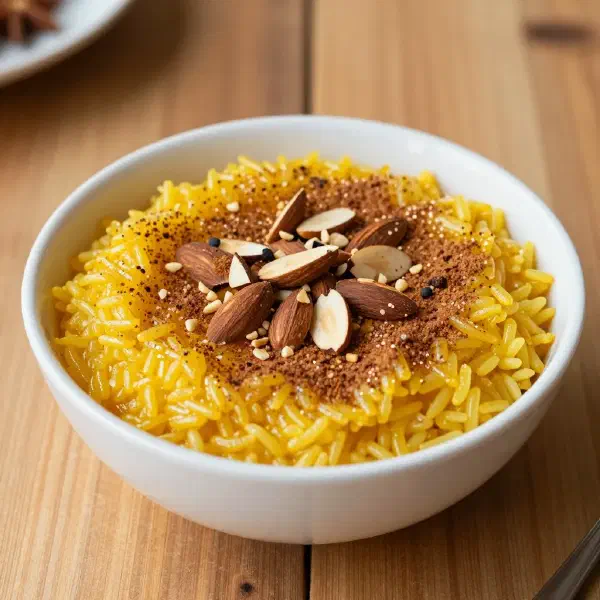
Saffron tastes slightly bitter and floral, and its scent recalls hay and honey. Too much of it tastes medicinal. For two servings a pinch is usually enough, about 10 to 15 threads. Grind the threads in a mortar with a pinch of sugar and leave them to steep in two tablespoons of warm water for 15 minutes. In Italy saffron colours Risotto alla Milanese, in Spain Paella Valenciana. It is especially common in Persian cooking, for example in crusty rice dishes such as Tahchin-e Morgh or the rice pudding Sholeh Zard. Bouillabaisse, Swedish saffron buns and Indian sweets cannot do without it either.
Buying saffron: what to look for
Buy saffron as whole threads, not as powder. Powder is more often bulked out with turmeric, paprika or safflower. Good threads are deep red, dry and have hardly any yellow style remnants. Supermarkets sell small tins of 0.1 g, enough for two or three dishes. Larger amounts are cheaper at Persian, Middle Eastern or Indian grocers and from spice merchants. A price far below the usual level is a warning sign.
Storage and shelf life
Saffron does not like light or moisture. Keep the threads in a tightly sealed, dark container at room temperature. That way they keep their colour and aroma for a long time, although the scent fades over the years. Use saffron you have already soaked on the same day, or keep it covered in the fridge for one to two days.
What can you use instead of saffron?
You cannot recreate the aroma of saffron. The colour, though, you can. For a paella or yellow rice for two, use a pinch of turmeric and half a teaspoon of sweet paprika instead of a pinch of saffron. Turmeric tastes earthy, so use only a little. A teaspoon of dried safflower soaked in warm water also colours food yellow and tastes neutral.