Star Anise: What It Is, How to Use It and Substitutes
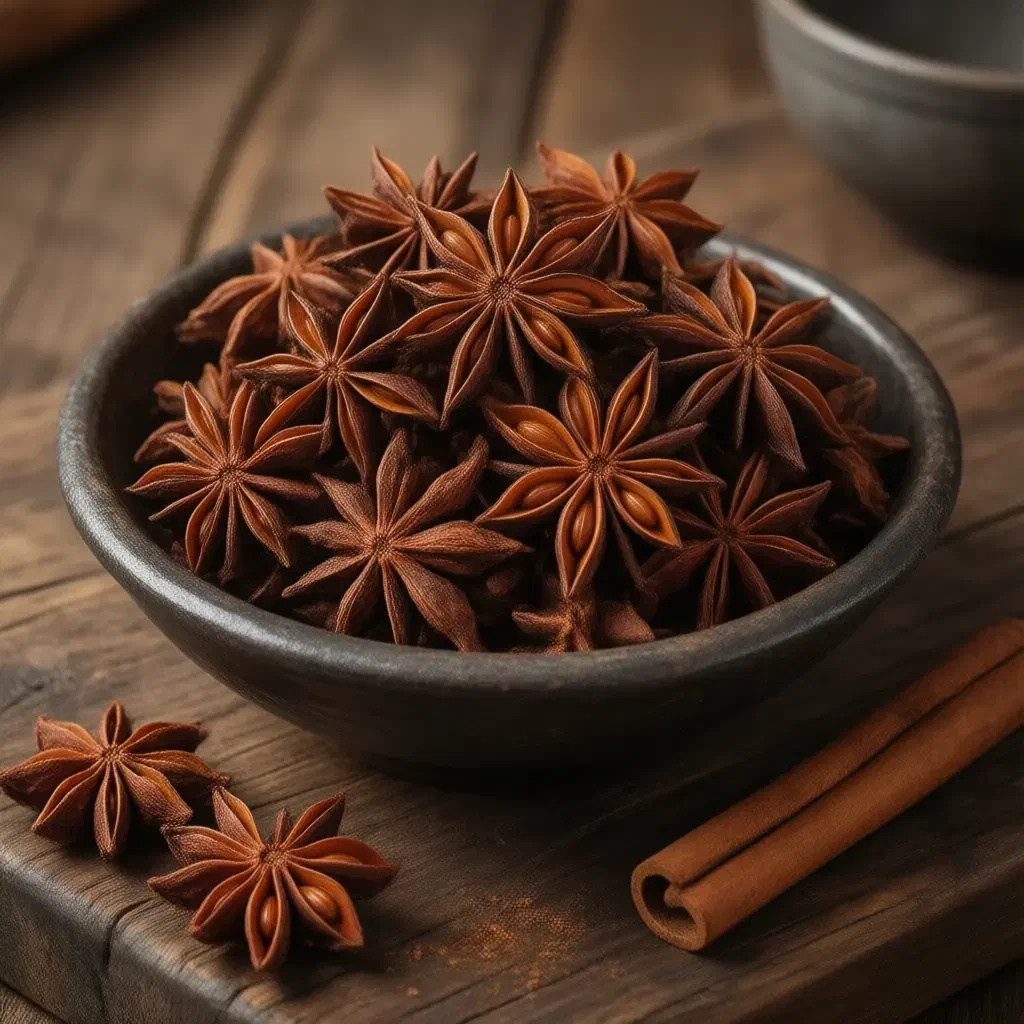
What is star anise?
Star anise comes from the tree Illicium verum, which grows in southern China and northern Vietnam and is also cultivated there. The fruits are harvested before they ripen and dried in the sun. During drying they turn reddish brown and woody. A star usually has eight points, each holding a shiny brown seed. Star anise is not botanically related to anise. Both contain a lot of anethole, though, which is why they taste similar. Star anise is stronger, slightly bitter and woody. Take care with Japanese star anise, Illicium anisatum. It looks almost identical but is poisonous and does not belong in the kitchen.
Flavour and uses
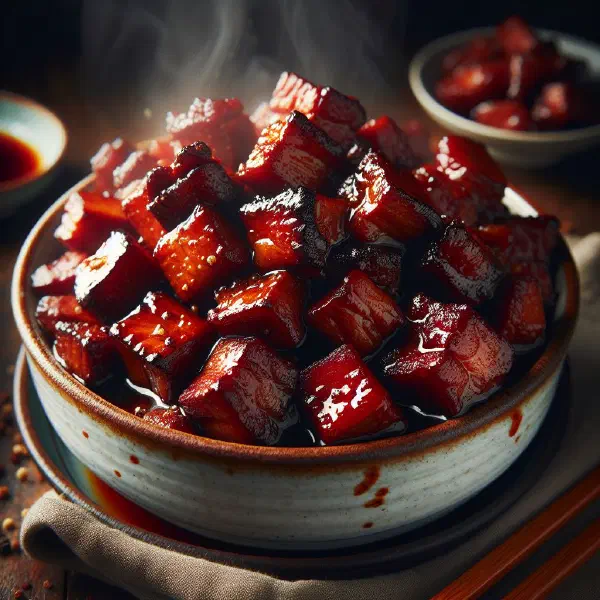
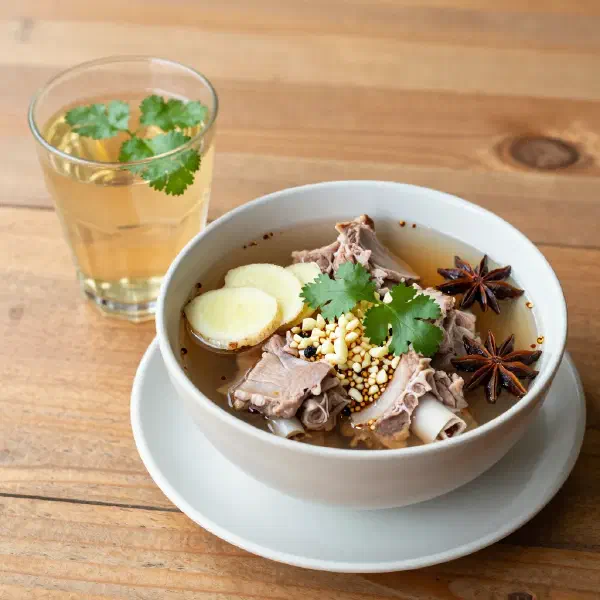
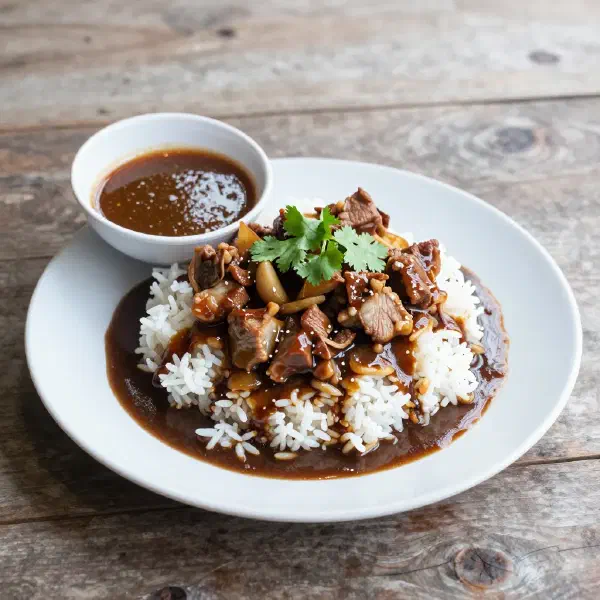
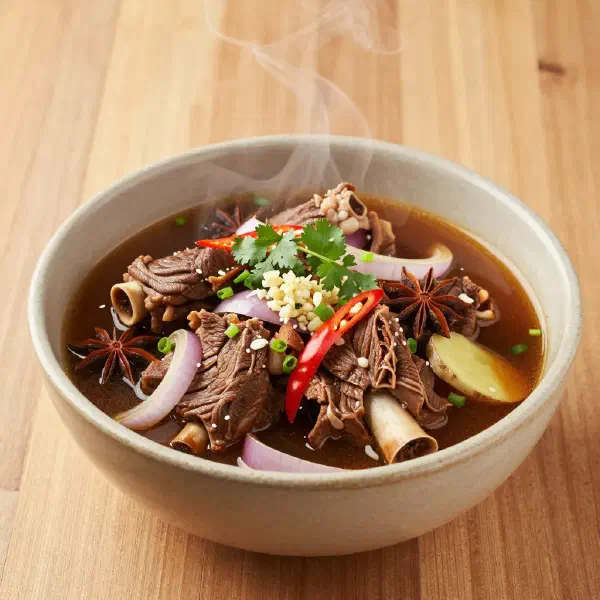
Star anise tastes warm, sweetish and of liquorice. Its aroma passes slowly into liquid, so it needs long cooking times. In Vietnamese Pho Bo it steeps for several hours in the beef broth together with cinnamon, cloves and charred ginger. In China it goes into red-braised dishes such as Hong Shao Rou and into the marinade for Tea Eggs. Use it sparingly. One or two stars are enough for a litre of broth, and more quickly makes a dish taste medicinal. Take the stars out before serving, as they do not soften even after hours of cooking.
Buying star anise: what to look for
You will find whole stars in the spice aisle of the supermarket, and much more cheaply at Asian grocers in bags of 50 or 100 grams. Buy whole, unbroken stars with a strong reddish-brown colour if you can. If they hardly smell of aniseed any more, they are old. Ground star anise is also available, but it loses its aroma quickly. Buy from sellers who state the origin and the botanical name, because poisonous Japanese star anise is almost impossible to tell apart by sight.
Storage and shelf life
Keep star anise in a tightly sealed jar in a dark, dry place, not directly above the cooker. Whole stars stay aromatic for about two years this way. Ground star anise fades after just a few months. So break the stars only shortly before cooking, or grind only the amount you need at the time.
What can you use instead of star anise?
For one whole star, use about half a teaspoon of aniseed. The flavour is similar, but milder and less woody. For broths, tie the seeds in a muslin bag or tea bag so you can lift them out easily later. The same amount of fennel seeds also works, but tastes greener. In Chinese braised dishes you can replace one star with a quarter teaspoon of five-spice powder, which already contains star anise.