Sumac: What It Is, How to Use It and Substitutes
What is sumac?
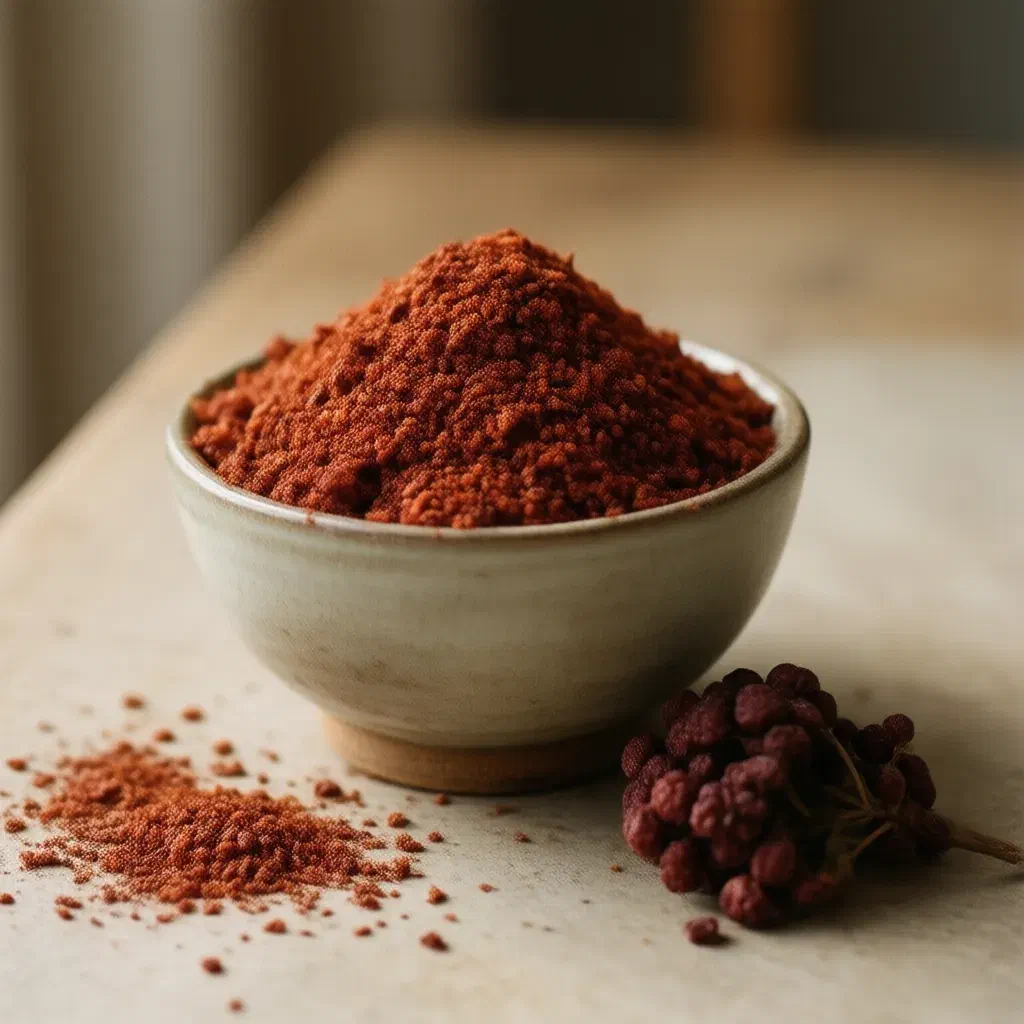
Tanner’s sumac (Rhus coriaria) is a shrub that grows wild around the Mediterranean, in Anatolia and in Iran. Its small, hairy berries hang in dense, reddish clusters. After the harvest in late summer they are dried and coarsely ground. The sour taste comes mainly from malic acid. In places where lemons were scarce, sumac was for a long time the main source of sourness in the kitchen. The name tanner’s sumac is a reminder that the leaves and bark were once used to tan leather. Ground, it looks like coarse, slightly moist paprika. Ornamental garden shrubs such as the stag’s horn sumac are related, but they are not sold as a spice.
Flavour and uses
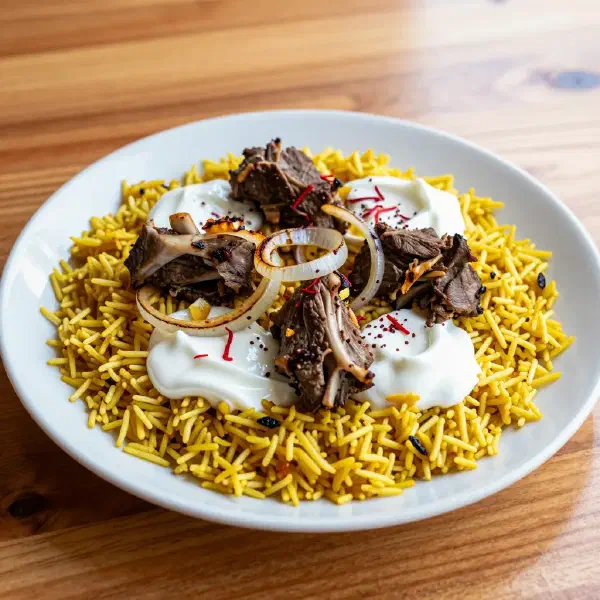
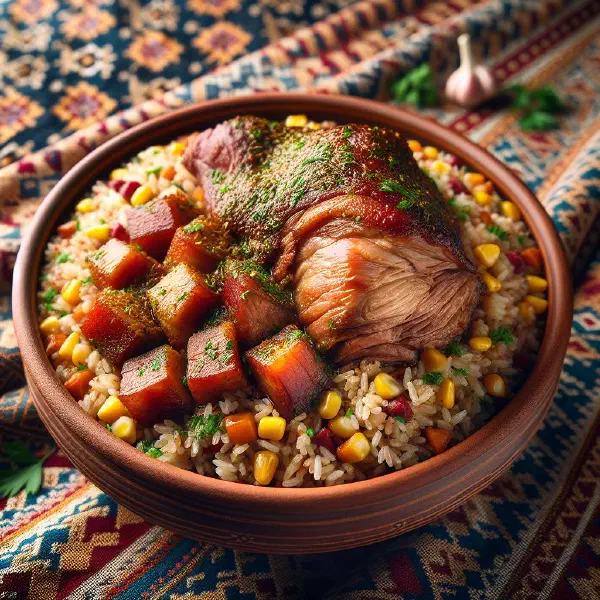
Sumac tastes tart, of lemon and red berries, slightly salty and hardly hot at all. It is usually sprinkled over food at the end, because long cooking takes away its freshness. In the Lebanese bread salad Fattoush it goes into the dressing. In Palestinian Musakhan it turns the onions and chicken deep red. In Iran it is put on the table with Chelo Kabab so that everyone can season their meat and rice themselves. With thyme and sesame it makes the spice blend za’atar. Onion rings with sumac and parsley are the usual side with kebabs in Turkey. It also goes well with grilled vegetables, hummus and fried eggs. A teaspoon over roast potatoes is a good place to start.
Buying sumac: what to look for
You will find sumac in any Turkish, Middle Eastern or Persian grocer. In Turkish it is called sumak, in Iran somagh. Larger supermarkets stock it on the spice shelf, and it is easy to buy online. Look for a strong, reddish purple colour. Brownish powder is old. Turkish sumac is often mixed with salt, sometimes with oil too. If you want to control the seasoning yourself, choose a pack that lists only sumac on the label.
Storage and shelf life
Keep sumac airtight, dark and dry. In a screw-top jar the flavour stays good for about a year, after which it loses colour and sourness. If the powder clumps, it has absorbed moisture. You can still use it, but it will taste weaker. It is better to buy small packs more often.
What can you use instead of sumac?
For 1 tsp sumac, finely grate the zest of half an unwaxed lemon and mix it with a pinch of salt. In salads you can also add 1 tsp lemon juice to the dressing. You lose the red colour, but a little sweet paprika makes up for that visually. Dried barberries, finely chopped, give a similar fruity sourness and go well with rice.