Tamarind: What It Is, How to Use It and Substitutes
What is tamarind?
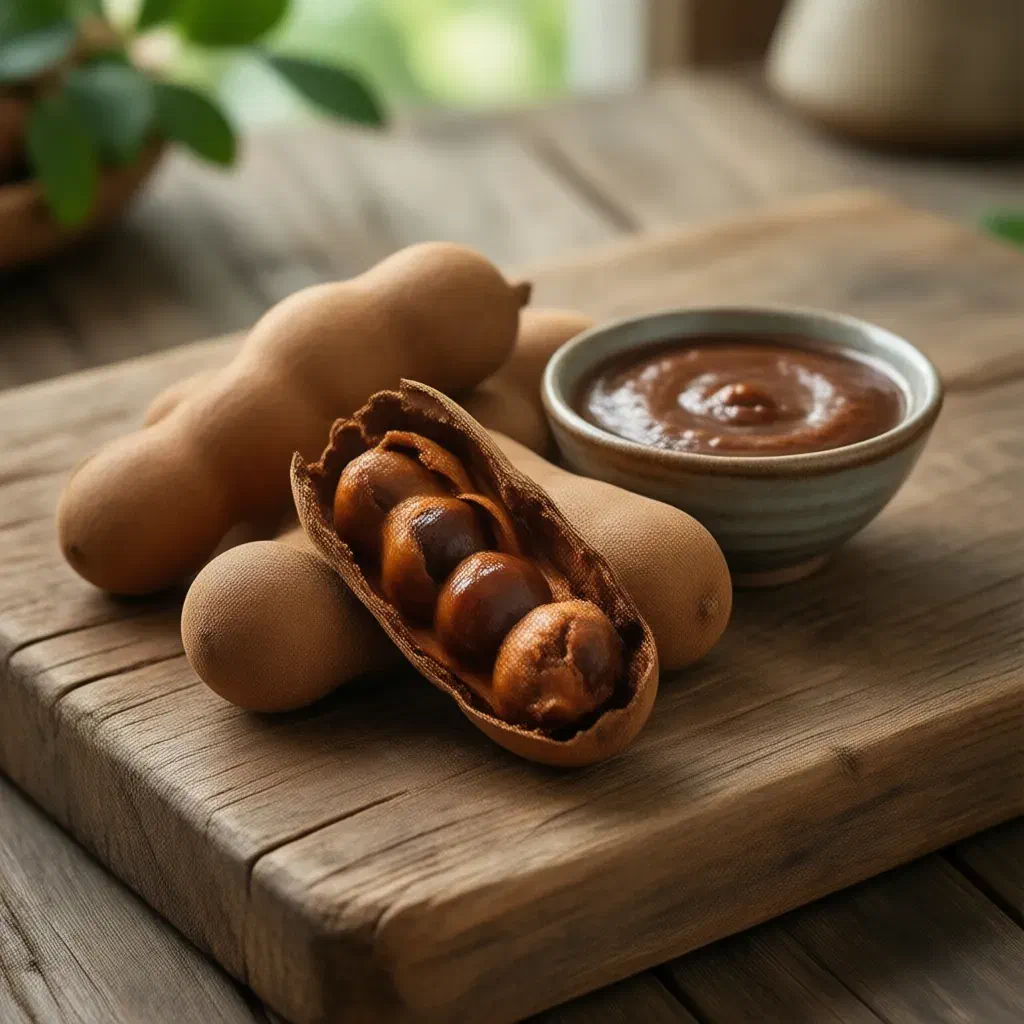
The tamarind tree (Tamarindus indica) belongs to the legume family and originally comes from tropical Africa. It has grown in India for so long that the Arabs called the fruit tamr hindi, Indian date. That is where the European name comes from. The pods are about the length of a finger, with a thin shell as brittle as paper. Underneath is a brown, fibrous pulp with several hard seeds. Only the pulp is eaten. It contains a lot of tartaric acid and sugar, which is why it tastes sour and fruity at the same time. For sale, producers press the pulp, fibres and all, into blocks or turn it into a smooth concentrate. There are also sweet varieties, which in Thailand are eaten raw straight from the shell.
Flavour and uses
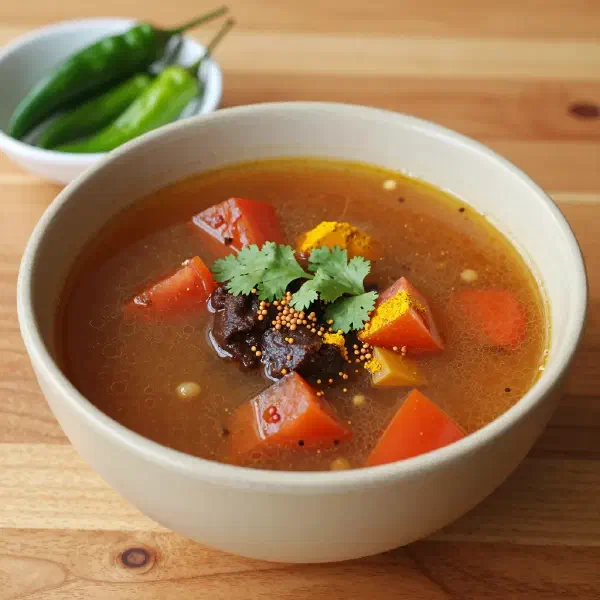
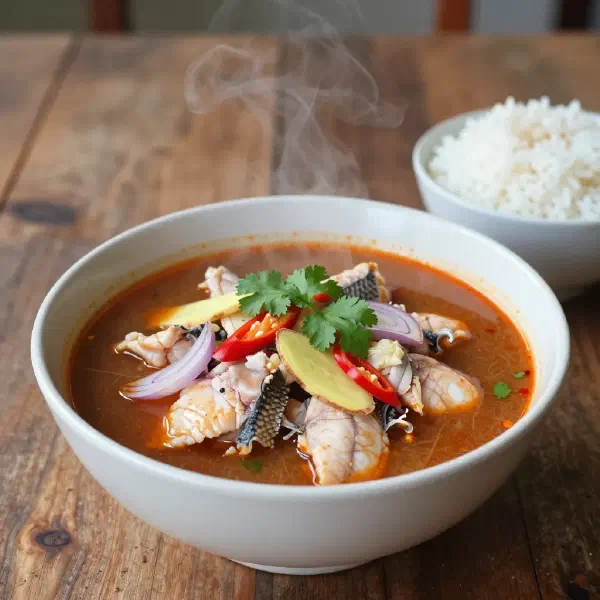
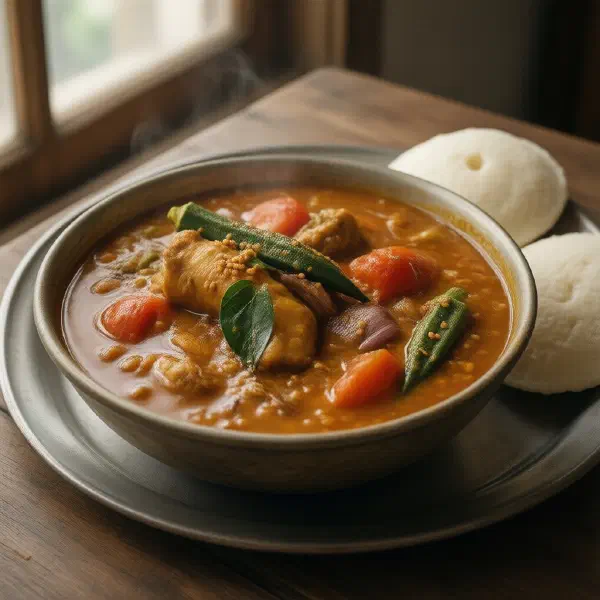
Tamarind tastes tart, like dried apricot with a little lemon, plus a slight bitterness. In South India it sours lentil dishes and broths such as Sambar and rasam. In Thailand it goes with fish sauce and palm sugar into the sauce for pad Thai with prawns. In the Philippines it gives the soup Sinigang its sour base. In Mexico and Central America the pulp is mixed with water and sugar into a refreshing drink, and in the Caribbean it is rolled with sugar into sweets. The sweet and sour chutneys served with samosas, pakoras and chaat are often based on tamarind too, cooked down with dates or jaggery. It is also worth using in marinades for fish. Worcestershire sauce contains it as well.
Buying tamarind: what to look for
In Asian and Indian grocers you will find tamarind as a pressed block (often 200 or 400 g), as a paste in a jar and sometimes as whole pods. The block tastes freshest but needs a little work. Pastes vary a lot. Some are thin and mild, others dark and very concentrated. Check the ingredients list: good pastes contain only tamarind and water. Latin American shops also sell tamarind syrup for drinks.
Storage and shelf life
Wrapped in film, a tamarind block keeps for many months in a cool, dry place. For a dish, cut off a piece, soak it in hot water for 15 minutes and push it through a sieve. This pulp keeps for about a week in the fridge. Frozen in portions in an ice-cube tray, it lasts for months. Once opened, keep paste in the fridge.
What can you use instead of tamarind?
For 1 tbsp tamarind paste, mix 1 tbsp lime juice with 1 tsp brown sugar. That matches the sourness and sweetness, but the fruitiness is missing. A little closer is a mix of 1 tbsp lime juice, 1 tsp raw cane sugar and 1 tsp finely chopped dried apricots or plum butter. In pad Thai sauces a dash of Worcestershire sauce helps. Plain vinegar is too sharp and quickly tastes flat in curries.