
Tomatillo: What It Is, How to Use It and Substitutes
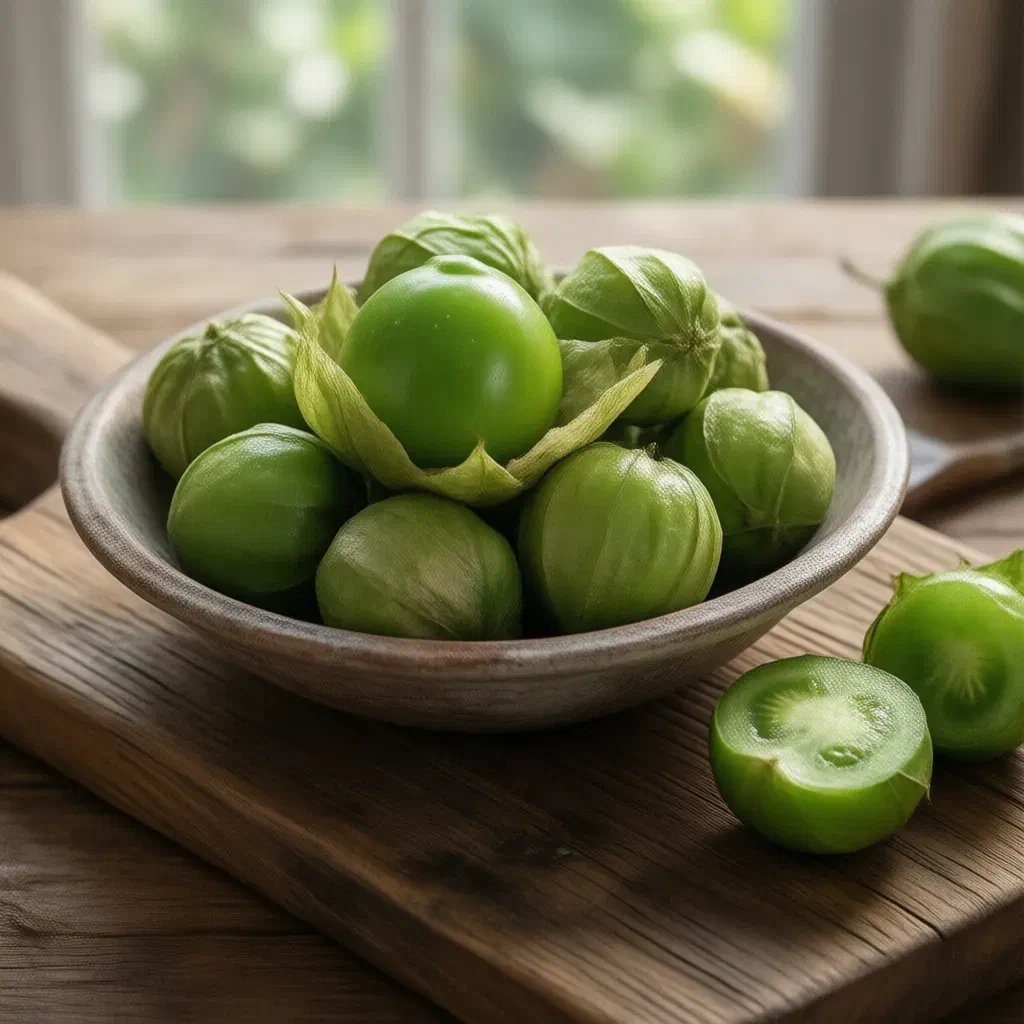
What is a tomatillo?
The plant’s botanical name is Physalis philadelphica, and it is also known as the Mexican husk tomato. It belongs to the nightshade family and is related to the Cape gooseberry, not directly to the tomato. Each fruit sits inside a greenish-brown calyx that splits open as it ripens. Underneath is a smooth, slightly sticky skin. Most tomatillos are harvested green, though some varieties turn yellow or purple. In Mexico the plant was grown long before the Spanish arrived, and the Maya and Aztecs knew it well. The Aztecs called it tomatl, while the red tomato was xitomatl. Via Spanish, tomatl became our word tomato. In Mexico the tomatillo is still often called tomate verde, and the red tomato jitomate.
Flavour and uses
Raw, the tomatillo tastes grassy and sour, with a hint of green apple. Cooked or roasted, it becomes milder and softer, and its pectin thickens sauces slightly. Its best-known use is Salsa Verde, made from tomatillos, coriander, onion and green chilli. This salsa is poured over Enchiladas Verdes, and it also turns the broth of pozole verde green. In Guatemala it forms the base of Jocon, chicken in a green sauce with coriander. Before blending, roast the fruit in a dry pan until blackened in places. This gives the salsa a roasted flavour. Boiled tomatillos, on the other hand, make a lighter, milder sauce. Both are common in Mexico, depending on the region and the family.
Buying tomatillos: what to look for
Fresh tomatillos are not always easy to find. Latin American grocers, some greengrocers, farmers’ markets and larger supermarkets stock them in late summer and autumn. Choose firm fruit that fills its husk well. The husk should be dry and pale, not mouldy. Tinned or jarred tomatillos are available all year, for example as “tomatillo entero” from online shops selling Mexican food. They work well for salsas. If you have a garden, you can raise the plants from seed like tomatoes. Plant at least two, as tomatillos barely pollinate themselves.
Storage and shelf life
Leave the husk on until you use them. In a paper bag in the vegetable drawer, tomatillos keep for two to three weeks. Plastic bags encourage mould. To freeze them, remove the husk, wash off the sticky film and freeze the fruit whole. Once thawed they turn soft and are then only good for cooking.
What can you use instead of tomatillos?
For 250 g tomatillos, use 250 g firm green tomatoes of a variety that ripens green, such as Green Zebra, plus 1 tbsp lime juice. This does not quite match the tomatillo’s acidity, but the colour is right. Tinned tomatillos replace fresh ones 1:1, just drain them well. Do not use unripe, hard green tomatoes from your own garden raw, as they contain tomatine.


