National Dish Andorra: Panellets (Recipe)
In this article
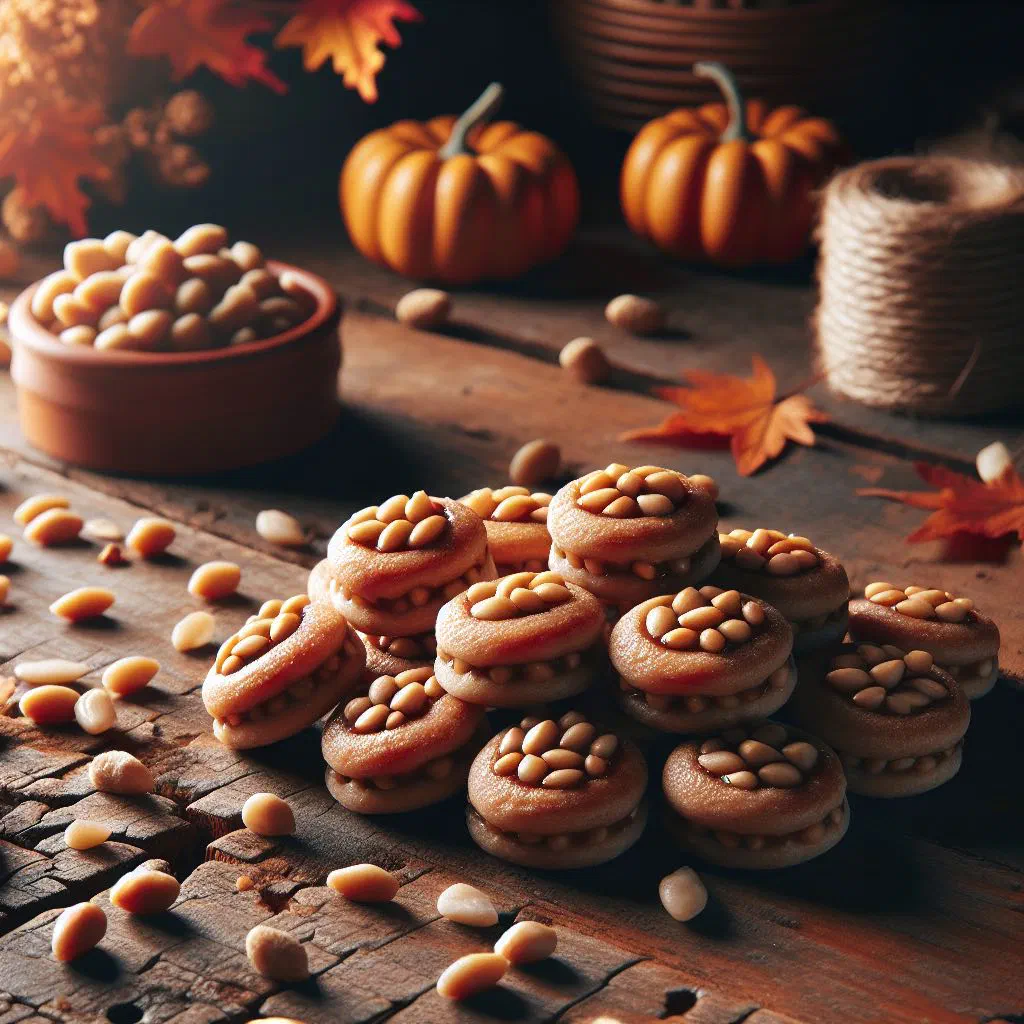
Meet Panellets, one of Andorra’s most cherished festive sweets. These little almond-based morsels, rolled in golden pine nuts, appear in kitchens across the country whenever there is something to celebrate. Delicately flavoured with lemon and warm spices, they are as tender as they are moreish. Best of all, they are naturally gluten-free, which makes them a treat almost everyone can share. Bring a taste of the Pyrenees to your own baking tray with this simple, traditional recipe.
About Panellets
Panellets are classic Andorran sweets, prepared in many households during the holiday season. These small, usually round delicacies are made mainly from almond flour, sugar and egg, and are often lifted with different flavourings such as lemon or cinnamon. Their popularity owes as much to their delicate flavour as to their fine, tender texture. They also stand as a symbol of Andorran culture and tradition, and are frequently served at festive gatherings, much like other treasured sweets of Andorran cuisine.
Ingredients (serves 1–2)
- 200 g almond flour
- 100 g sugar
- 1 egg
- 50 g pine nuts
- 1 tsp lemon zest (grated)
- 1 pinch of salt
Shopping for the ingredients
If you would like to make panellets, choosing good-quality ingredients really matters. Look for fresh almonds to guarantee the best possible flavour. It is also worth reaching for organic sugar, which lends a more rounded, intense sweetness than heavily refined sugar. A browse through local shops or a quick search online will help you track down the finest ingredients for your panellets.
Preparing the dish
Getting the ingredients ready for panellets is straightforward and does not take much time. Begin by combining the almond flour with the sugar and the grated lemon zest in a bowl. Mix the dry ingredients well before you add the egg. Take care not to overwork the mixture, so the panellets keep their signature tender texture.
Step-by-step instructions
- Preheat the oven to 180 °C and line a baking tray with baking paper.
- In a bowl, combine the almond flour, the sugar and the grated lemon zest.
- Add the egg and knead everything into a smooth dough.
- Shape small balls and roll them in the pine nuts until well coated.
- Place the balls on the baking tray and bake for around 15 minutes.
- Once baked, leave the panellets to cool on a wire rack.
Gluten-free / lactose-free version
One of the great advantages of panellets is that they are naturally gluten-free and lactose-free. The recipe relies solely on almond flour, which makes it an ideal choice for anyone living with coeliac disease or lactose intolerance. When selecting the remaining ingredients, simply check that they are gluten- and lactose-free too.
Tips for vegans and vegetarians
For a vegan version of panellets, you can swap the egg for apple purée or a flaxseed egg. These alternatives help hold the dough together while still delivering plenty of flavour. Just be sure to choose the other ingredients with a vegan diet in mind. With these small changes, vegans can enjoy this delicious dessert too.
More tips and tricks
To bring even more depth to your panellets, you can add extra flavourings such as vanilla extract or a splash of brandy. They also take beautifully to different nuts or dried fruit for a little variety. Store the finished panellets in an airtight container so they stay fresh and keep their lovely flavour. That way you always have a small, sweet snack close at hand.
Adapting the recipe to your taste
If you want to make your panellets your own, feel free to adjust the amount of sugar to suit your palate. The choice of nuts can vary too; hazelnuts or walnuts offer interesting new flavour combinations. You could also dip the finished panellets in chocolate glaze or dust them with icing sugar for an especially pretty presentation.
Ingredient substitutions
If you cannot find almond flour, you can use hazelnut flour or coconut flour instead. These alternatives give the panellets a unique flavour and pair well with the other ingredients. Just adjust the quantities as needed to keep the right consistency, the same care that goes into a nutty classic like Torró de Xixona. With a little tinkering you can whip up a delicious version of this traditional treat whenever the mood takes you.
Drink pairing ideas
To enjoy your panellets at their best, a range of drinks makes a lovely accompaniment. A fruity grape juice or an aromatic herbal tea complements their sweetness beautifully. For a more festive touch, you could serve a liqueur or a glass of dessert wine. These pairings heighten the whole experience and make the tasting all the more memorable.
Serving and presentation ideas
Presentation plays an important role with panellets, especially on festive occasions. Use pretty plates or glass stands to arrange the sweets attractively. A little decoration with fresh flowers or greenery can add an extra celebratory flourish. Served this way, the dessert becomes the centrepiece of any table and draws your guests’ attention straight away, much as it does alongside a spread of Calçots amb Romesco.
A bit of history
Panellets have a long tradition in Andorra and are deeply rooted in the region’s culture. They are thought to have emerged in the 18th century, when people began experimenting with recipes built around locally available ingredients. The sweets were often prepared for celebrations and feasts, offering guests a small taste of Andorran culture. Today they remain a symbol of the identity and heritage of the Andorran people, standing proudly beside hearty classics such as Trinxat.
More recipe ideas
Summary: Panellets
Panellets are a unique and delicious dessert and a firm part of Andorran tradition. Made from just a few, high-quality ingredients, they are easy to prepare and perfectly suited to festive occasions. On top of that, they are gluten-free and can be made vegan without any fuss, which puts them within reach of many. Use this recipe to bring a little piece of culture and tradition into your own kitchen.