National Dish Angola: Calulu de Peixe (Recipe)
In this article
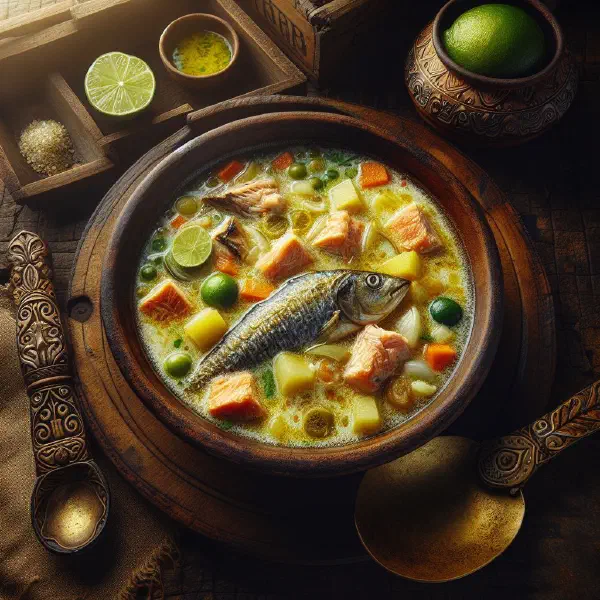
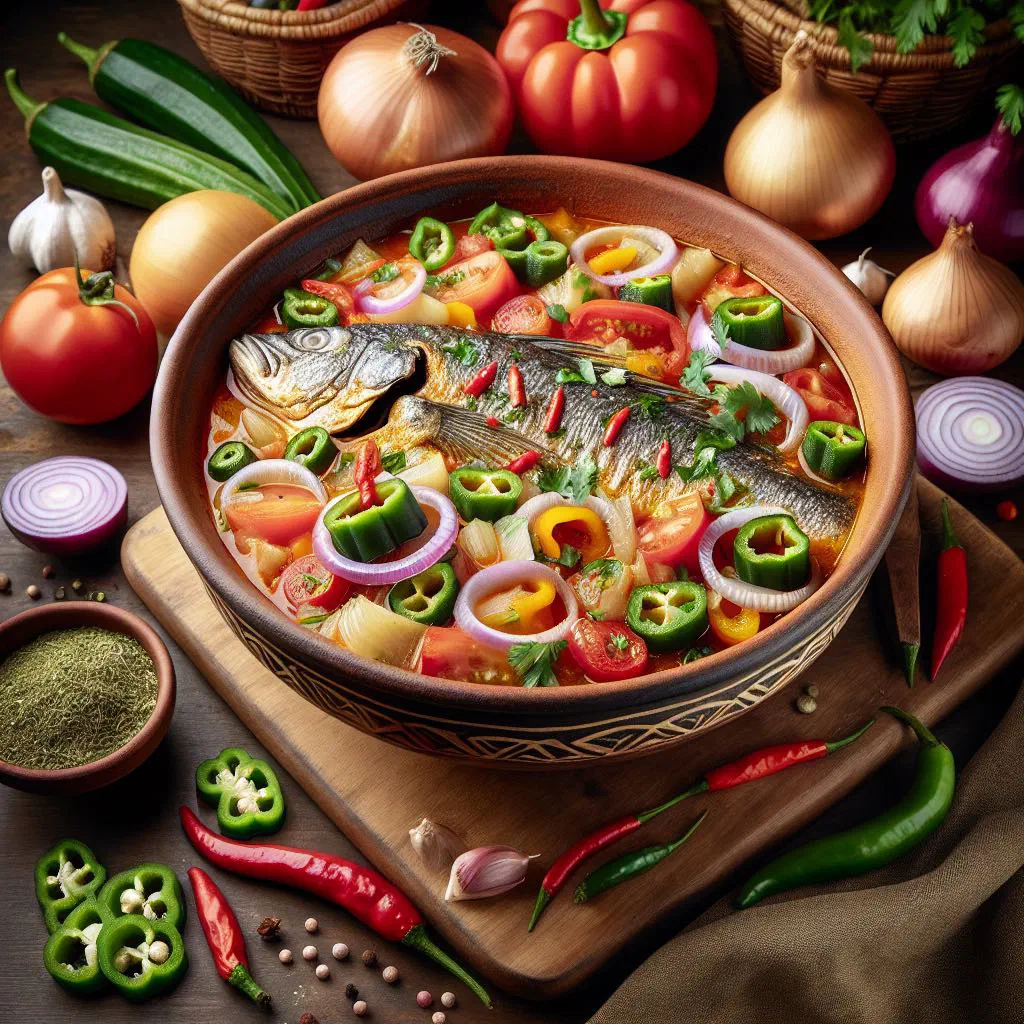
Discover Calulu de Peixe, the fish stew that sits at the very heart of Angolan home cooking. Fresh fish is simmered with tomatoes, onions, peppers and a generous handful of leafy greens until everything melts into one deeply savoury pot. It is simple, nourishing and full of the warm, layered flavours that make the country’s kitchens so distinctive. Bring a taste of the Atlantic coast of Angola to your own table.
About Calulu de Peixe
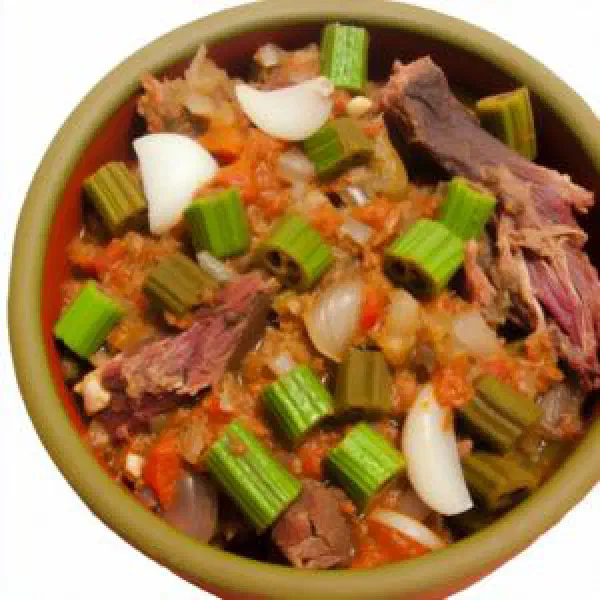
Calulu de Peixe is not merely a dish; it is a piece of Angolan culture served on a plate. It reflects the rich culinary traditions that grew out of the meeting of many different ethnic groups across the country. The main component, fresh fish, is enriched with regional spices and vegetables, which makes the dish full of flavour and genuinely nourishing and wholesome. Its meat-based sibling, Calulu de Carne, follows much the same principle with a very different character.
Ingredients (serves 1–2)
- 300 g fresh fish (tilapia or cod, for example)
- 2 tomatoes, chopped
- 1 onion, diced
- 2 garlic cloves, chopped
- 200 g fresh spinach
- 1 pepper, diced
- Oil, for frying
- Spices: salt, pepper, paprika and parsley
Shopping for the ingredients
When shopping for the ingredients for calulu de peixe, choosing fresh produce matters enormously, as it has a considerable influence on the flavour of the finished dish. Visit a local market or fishmonger to find the freshest fish and the best vegetables. Look for seasonal and regional produce, which is fresher and brings out the true aromas of Angolan cooking. In doing so you also support local producers and cook a little more sustainably.
Preparing the dish
Good preparation is what allows the flavours to come through properly. Begin by cleaning the fish and cutting it into bite-sized pieces. The vegetables should be washed and prepared in the same way. A well-organised mise en place makes the cooking far easier and means everything is within reach the moment you start.
Step-by-step instructions
- Heat the oil in a pan and fry the onions and garlic until golden brown.
- Add the chopped tomatoes and pepper and let everything simmer for around 5 minutes.
- Add the pieces of fish to the pan and season with salt, pepper and paprika.
- Stir in the spinach and continue simmering until the fish is cooked through.
Gluten-free / lactose-free version
Calulu de peixe is naturally gluten-free and lactose-free, which makes it an ideal choice for anyone with those intolerances. When buying your spices, check that they too are certified gluten-free, just to be certain. That makes the dish a safe option for everyone who has to keep a close eye on their diet, while the authentic flavour remains entirely intact.
Tips for vegans and vegetarians
There are good ways to adapt calulu de peixe for vegans and vegetarians. Replace the fish with tofu or chickpeas and use vegetable stock in place of fish stock. These alternatives keep the texture and the structure of the recipe in line with your dietary needs, so that vegan cooks can experience the same depth of flavour in this traditional dish.
More tips and tricks
To get the very best from calulu de peixe, balance the spices carefully and adjust the seasoning to your own taste. Experiment with other vegetables you enjoy, or add a squeeze of lemon juice for extra freshness. Timing matters a great deal too: when you add each ingredient has a real effect on the texture and flavour of the stew, so keep an eye on the pan as you cook.
Adapting the recipe to your taste
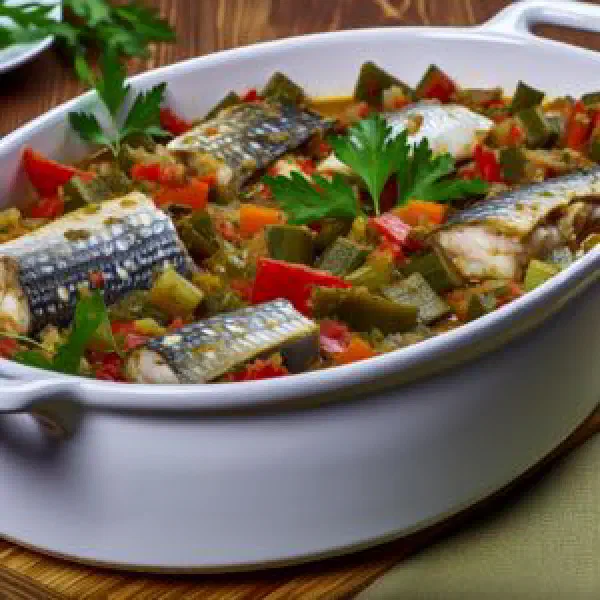
One of the great strengths of calulu de peixe is how flexible the recipe is. You can use different varieties of fish, or even seafood, to discover new flavours, much as you would in a Caldeirada de Peixe. Depending on your preference you can also play with different vegetable combinations to shape the dish around your own palate. These adjustments make it easy to personalise for everyday meals or special occasions alike.
Ingredient substitutions
If particular ingredients are not available, there is always a workable alternative. Various plant oils can be used to build the base of the dish, for instance, and the fish can be swapped for other protein-rich foods. You can be just as creative with the vegetables, reaching for whatever seasonal varieties are to hand. That way the recipe stays varied and interesting every time you cook it.
Drink pairing ideas
The right drink can make a real difference to the calulu de peixe experience. Light, refreshing options such as a fruit juice or a homemade iced tea complement the flavours beautifully. Traditionally a simple wine or a light beer is served alongside, which sits well with the spices. Choose drinks that support the food rather than overpower it.
Serving and presentation ideas
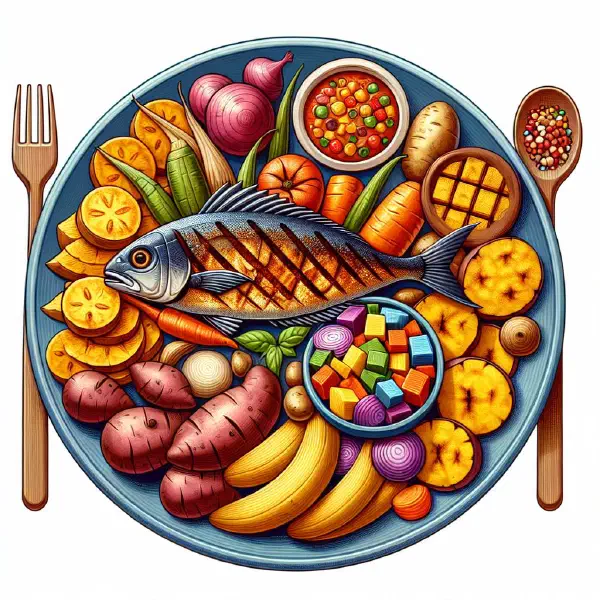
The presentation of calulu de peixe matters as much as the cooking. Serve it in a deep bowl so the colours of the vegetables and the fish show to their best advantage. Garnish with fresh herbs or a squeeze of lemon for a visual lift. A thoughtfully arranged plate builds anticipation and turns the meal into something rather more memorable.
A bit of history
Calulu de peixe has a long history in Angolan cooking and bears witness to African, Portuguese and indigenous influences. Originally conceived as everyday sustenance for fishermen and farmers, over time it grew into a symbol of Angola’s celebratory food culture. Today it is prized both at special occasions and as an ordinary weekday meal. Its enduring popularity shows how food and tradition stay alive within Angolan cuisine.
More recipe ideas
Summary: Calulu de Peixe
Calulu de peixe is a delicious and nourishing part of Angolan cuisine that wins people over with fresh ingredients and rich, layered flavours. It is straightforward to prepare, and the versatility of the recipe means you can shape it around your own preferences. With alternative ingredients and well-chosen drinks it becomes a genuinely distinctive experience for anyone who loves good food. Explore the variety of Angolan cooking and enjoy this superb dish as part of your own tour.