National Dish Angola: Cocada Amarela (Recipe)

In this article
Meet Cocada Amarela, the golden coconut sweet that Angolan cooks have been turning out for generations. Just three or four humble ingredients, fresh coconut, sugar and a pinch of salt, melt together into something chewy, fragrant and hard to stop eating. It needs no special equipment and no baking skill, which makes it the ideal introduction to Angolan sweets. Serve it as a dessert after a big meal, or keep a batch in a tin for whenever the afternoon calls for something sweet.
About Cocada Amarela
Cocada Amarela is a traditional Angolan speciality that wins people over with its simple combination of fresh coconut, sugar and a pinch of salt. Beyond its distinctive flavour, its great appeal is how straightforward it is to make. Because it relies entirely on natural ingredients, it has become a favourite dessert and everyday snack alike. In Angola it appears at all sorts of occasions and is a small symbol of the country’s home cooking.
Ingredients (serves 1–2)
- 200 g freshly grated coconut
- 150 g sugar
- 1 pinch of salt
- 1–2 tablespoons water
- Optional: a dash of vanilla extract for extra flavour
Shopping for the ingredients
If you want to make cocada amarela, it pays to start with good ingredients. Look for fresh grated coconut at a local market or a specialist grocer, as it gives by far the best flavour. Sugar is a store-cupboard staple, but unrefined sugar is worth choosing here for its deeper, more caramel-like aroma. Everything else on the list is easy to find and probably already in your kitchen.
Preparing the dish
Good preparation makes all the difference before you start cooking cocada amarela. Make sure every ingredient is to hand and your work surface is clear. Weigh out the coconut and the sugar accurately, since the balance between the two decides the final texture. If you plan to serve the sweet in neat squares, line a small tin or dish now so it is ready when the mixture comes off the heat.
Step-by-step instructions
- In a saucepan, combine the grated coconut and the sugar with the pinch of salt.
- Add the water and stir thoroughly until the mixture is evenly blended.
- Heat over a medium flame, stirring constantly, until it thickens.
- Pour the mixture into your prepared tin and leave it to cool.
- Once cool, cut the cocada amarela into pieces and serve.
Gluten-free / lactose-free version
One of the great advantages of cocada amarela is that the recipe is naturally gluten-free and lactose-free. If you avoid gluten or dairy, you can enjoy this dessert without a second thought. The ingredients are simple and call for no special substitute products at all. That makes it a perfect choice for anyone keeping a close eye on what they eat.
Tips for vegans and vegetarians
Cocada amarela is not only delicious, it is also vegan from the outset. Every ingredient is plant-based, so no adjustment is needed. To refine the flavour further, add vanilla extract or another natural aroma of your choosing. Try a few different variations to shape this traditional sweet around your own taste.
More tips and tricks
A handful of practical tips will make your cocada amarela even better. Take care not to cook the mixture for too long, or it will turn dry and crumbly rather than pleasantly chewy. Experiment with different sugars, coconut blossom sugar, for example, to create new flavour notes. Above all, stir thoroughly so the texture stays even from edge to edge.
Adapting the recipe to your taste
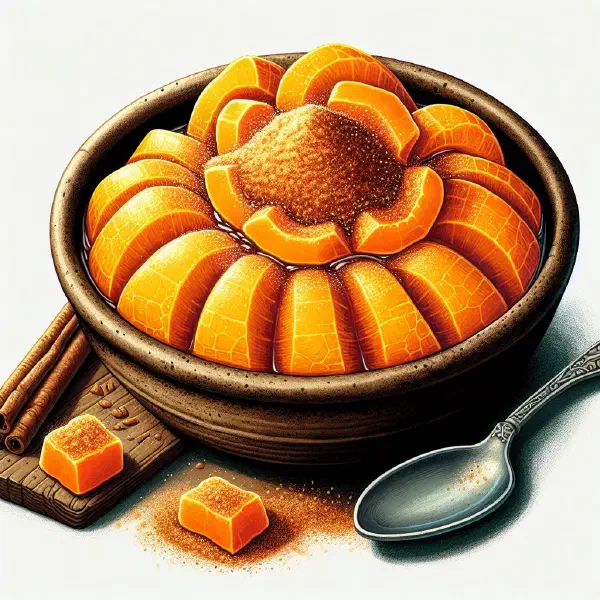
What makes cocada amarela so rewarding is how flexible the recipe is. Adjust the sweetness by using more or less sugar, exactly as you prefer. Warming spices such as cinnamon or nutmeg can be stirred in for a personal touch, much as they are in a comforting Doce de Abóbora. Enjoy playing with the ingredients until you have a dessert that is entirely your own.
Ingredient substitutions
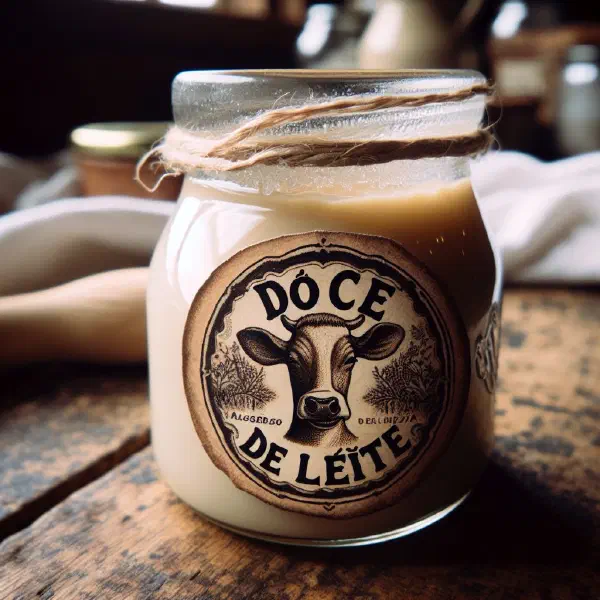
If you do not have every ingredient to hand, several alternatives are worth trying. Desiccated coconut can stand in for fresh grated coconut, though it will change the consistency slightly. Honey works as a sweetener in place of sugar, but it would mean the recipe is no longer vegan, the same consideration applies to a sweet such as Doce de Leite. Try not to replace the core ingredients, however, or you lose the character that defines cocada amarela.
Drink pairing ideas
Cocada amarela goes beautifully with light, refreshing drinks. A fruit-infused water or a homemade iced tea balances the sweetness of the dessert nicely, and a floral brew such as Chá de Hibisco is a lovely traditional match. A fruity cocktail rounds things off well at a gathering. For something non-alcoholic and indulgent, a coconut smoothie doubles down on the flavour in the best possible way.
Serving and presentation ideas
Presentation can lift the whole cocada amarela experience. Serve the pieces on brightly coloured plates or in small glasses to make an inviting impression. A scattering of fresh fruit or a few mint leaves makes it prettier still. We eat with our eyes first, so it is worth taking a moment to arrange everything with a little flair.
A bit of history
Cocada amarela has a long history in Angola and is woven deep into the country’s food culture. It is eaten at festive occasions but is just as welcome as an everyday snack. The story goes that the sweet arrived with Portuguese settlers and was quickly absorbed into local cooking, alongside dishes such as Feijoada. Today it counts as one of the founding sweets of Angolan cuisine and remains hugely popular.
More recipe ideas
Summary: Cocada Amarela
All told, cocada amarela is an absolute must-try for anyone curious about Angolan cooking. Simple ingredients and an uncomplicated method make it an excellent way to bring authentic flavours straight into your own kitchen. Let its simplicity and heavenly aroma win you over.