National Dish Angola: Doce de Ginguba (Recipe)
In this article
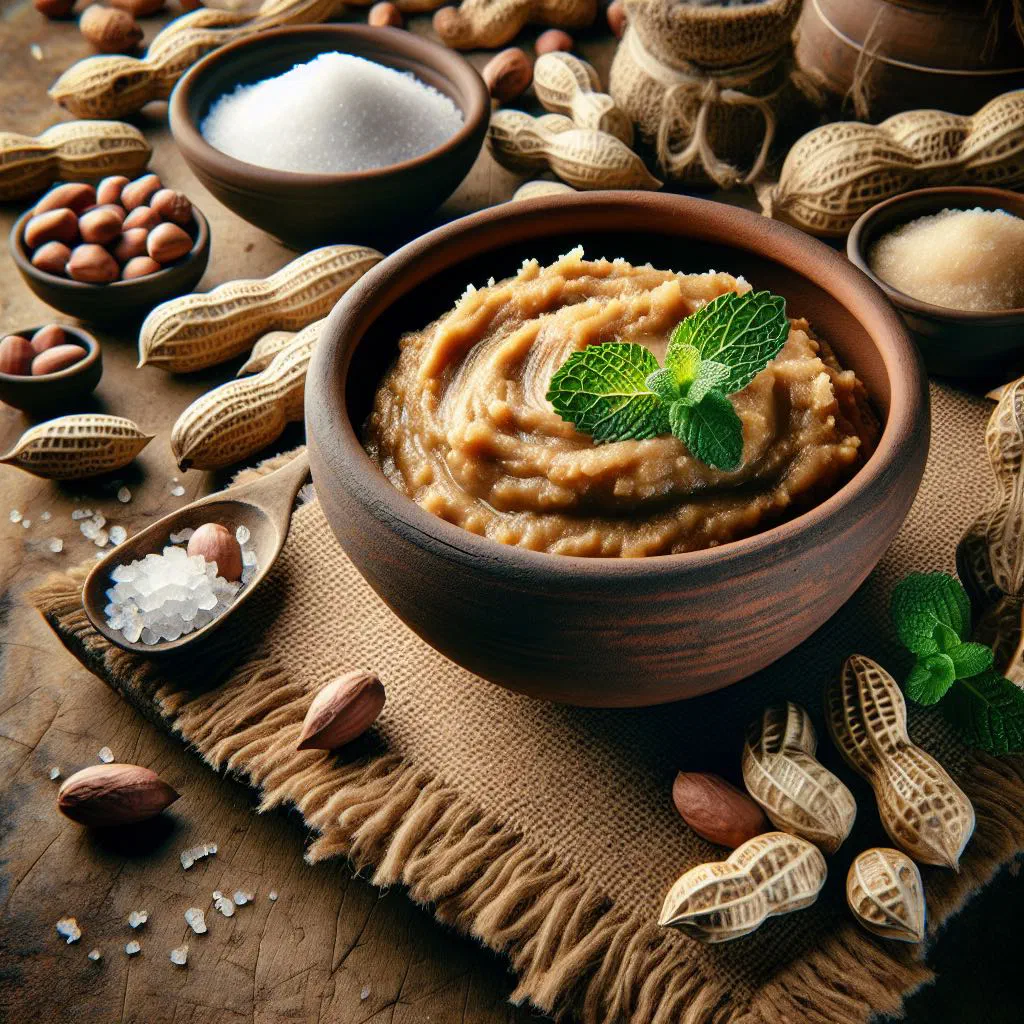
Say hello to Doce de Ginguba, a sweet little square of Angola that turns a handful of storecupboard staples into something quietly spectacular. Roasted peanuts and coconut are cooked down with sugar until sticky and golden, then left to set and cut into bite-sized pieces. It is the sort of treat that appears at celebrations and family gatherings across the country, and it takes barely twenty minutes to make at home.
About Doce de Ginguba
Doce de Ginguba is a classic dessert from Angola with deep roots in West African sweet-making. It brings together peanuts and coconut in a confection that feels both traditional and thoroughly modern. The dish has won a place in so many hearts thanks to its uncomplicated preparation and its heavenly, nutty flavour. Whether it appears at a festival or simply after a weekday supper, this dessert brings a little joy to the table.
Ingredients (serves 1–2)
- 200 g unsalted peanuts
- 100 g desiccated coconut
- 150 g sugar
- 1 pinch of salt
- Water, as needed
Shopping for the ingredients
To make doce de ginguba you need only a handful of easily obtained ingredients. Fresh peanuts and desiccated coconut are stocked by most supermarkets and by any Asian or African grocery. Do make sure to buy the peanuts unsalted so their natural flavour can come through. Beyond that you need sugar, which most households already have in, plus a little salt to sharpen the sweetness.
Preparing the dish
Before you start cooking, gather everything together and check you have the right quantities. Begin by roughly chopping the peanuts if they are still whole. The desiccated coconut can also be lightly toasted in a dry pan to deepen its aroma. These small preparations make a real difference to the final flavour and texture of the dessert, so it is worth taking the time.
Step-by-step instructions
- In a pan, combine the peanuts with the sugar and a pinch of salt.
- Add a splash of water so the mixture is slightly moist but not runny.
- Cook over medium heat, stirring constantly, until the mixture reaches a sticky consistency.
- Stir in the desiccated coconut, mix well, then pour the mass into a shallow tin.
- Leave to cool completely, then cut into neat squares.
Gluten-free / lactose-free version
Doce de ginguba is naturally gluten-free and lactose-free, which makes it an excellent dessert choice for anyone with intolerances. Every component is a simple natural ingredient, peanuts and coconut, with no additives involved. Just check that both are sold in their pure form to rule out cross-contamination. That done, this sweet can be enjoyed without a second thought.
Tips for vegans and vegetarians
This is a superb option for vegans and vegetarians, since every ingredient is plant-based from the outset. Choosing organic peanuts and coconut will give you the best quality and the fullest flavour. One easy variation is to swap the sugar for a plant-based sweetener such as agave syrup. That way even those following stricter diets can share in the pleasure of this dessert.
More tips and tricks
To make doce de ginguba even more delicious, experiment by adding vanilla or a spoonful of cocoa to the mix. Another idea is to replace some of the coconut with other nuts or dried fruit to create quite different flavour profiles, much the same playful spirit behind Pé-de-Moleque. Anyone can adapt this recipe to their own preferences, which is exactly what makes it so versatile.
Adapting the recipe to your taste
The beauty of this sweet is how readily it bends to personal preference. Add extra texture by folding in different nuts, or dial the sweetness up and down as you like. Spices such as cinnamon or cardamom introduce an intriguing warmth that suits the peanuts well. Do not be shy about modifying the recipe until you land on your ideal combination.
Ingredient substitutions
If you have no peanuts to hand, almonds or cashews step in perfectly well. For a sugar-free version, try natural sweeteners such as stevia. You could also use rolled oats in place of some of the coconut, which makes the dessert a little more wholesome. Be adventurous and find the alternatives that best match your taste.
Drink pairing ideas
Several drinks pair beautifully with this rich, nutty sweet. A freshly brewed green tea complements the sugar perfectly, while an African fruit juice offers a refreshing counterpoint. Coconut water is another ideal match, echoing the coconut in the sweet itself, and a chilled glass of Sumo de Ginguba leans into the peanut theme. Choose whichever suits you best to round off the experience.
Serving and presentation ideas
For an attractive presentation, cut the pieces into even shapes and arrange them on a handsome plate. You can scatter extra desiccated coconut over the top or garnish with fresh fruit for colour. Careful serving lifts not only the look of the dessert but the way it tastes as well. Let your imagination run and impress your guests.
A bit of history
Doce de ginguba has its roots in traditional Angolan cooking, where sweets are typically built from regional ingredients such as peanuts and coconut. It reflects the gastronomic variety of Angolan cuisine and is served most often at festivals and celebrations, alongside classics like Cocada Amarela. Through its use of local, fresh produce, the dessert has become a genuine part of Angolan identity. Getting to know dishes like this brings not just new flavours but a piece of culture to the table.
More recipe ideas
Summary: Doce de Ginguba
Doce de ginguba is not only a delicious dessert but a piece of Angolan culture in edible form. With its simple ingredients and straightforward method, it suits festive occasions and everyday cravings equally well. Because the recipe adapts so readily, you can shape it entirely to your own preferences. Give it a go and let the sweet temptation of this traditional treat win you over.