National Dish Angola: Farofa (Recipe)
In this article
Discover Farofa, the toasted cassava flour side dish that turns up on Angolan tables alongside almost everything. Nutty, crisp and gently savoury, it is built on little more than cassava flour, onions, garlic and a knob of butter, yet it transforms a plate of stew or grilled meat into something memorable. Bring a little African flair into your own kitchen with this quick, endlessly adaptable classic.
About Farofa
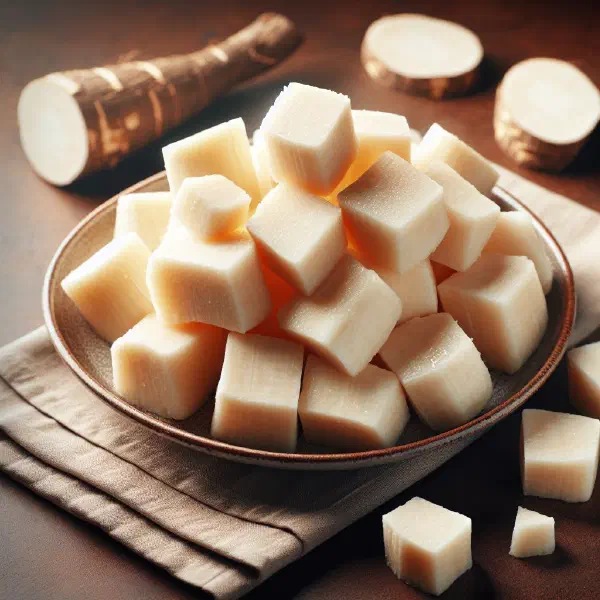
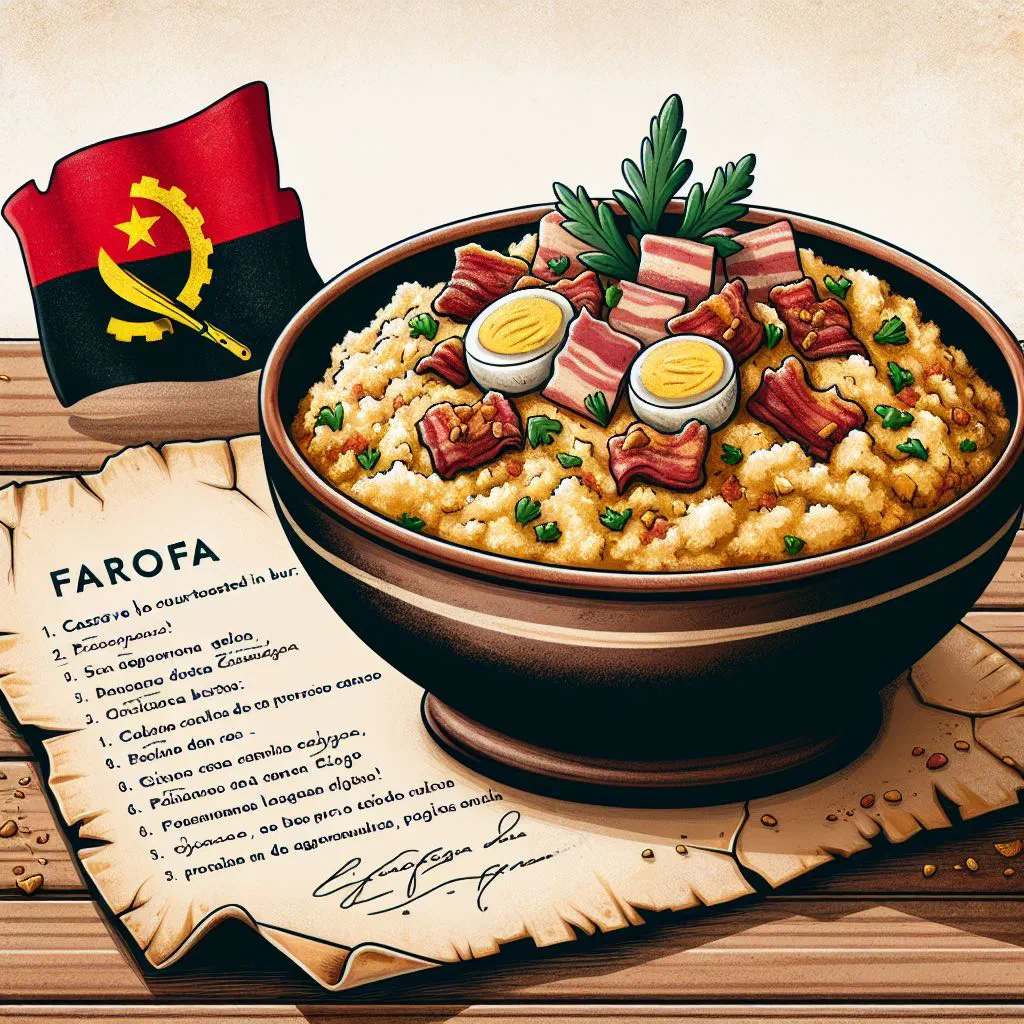
Farofa is a much-loved staple of Angolan cooking, served as a side dish with all manner of meals thanks to its remarkable versatility. It consists mainly of toasted cassava flour, which gives it a crisp, sandy texture and a flavour all of its own. The flour is usually enriched with onions, garlic and a handful of spices, which deepen the taste considerably. This fragrant mixture makes farofa an absolute must for anyone keen to explore the culinary traditions of Angola, where it sits happily beside a rich Muamba de Galinha.
Ingredients (serves 1–2)
- 200 g toasted cassava flour
- 1 onion
- 2 cloves of garlic
- 50 g butter or olive oil
- Salt and pepper, to taste
- Fresh herbs, to garnish (optional)
Shopping for the ingredients
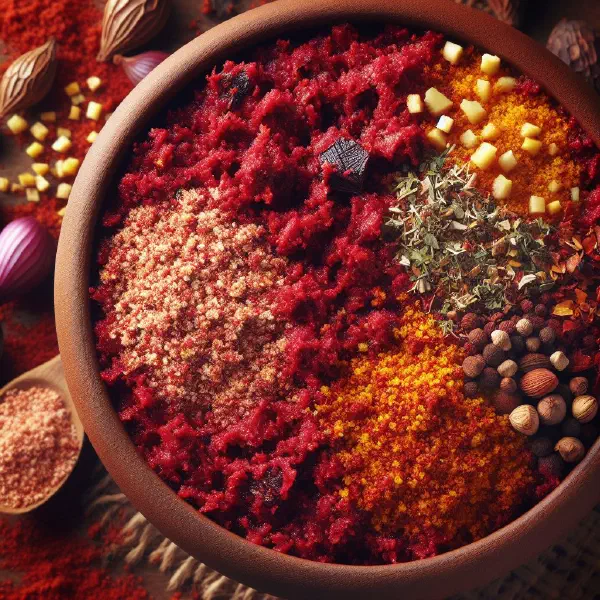
Most of the ingredients for farofa are easy to find and can be picked up in a regular supermarket or a specialist African or Latin American grocery. Cassava flour is the essential component, and its quality has a direct bearing on the finished dish. Fresh onions and garlic provide the aromatic backbone, so choose firm, unblemished bulbs. If you are after particular spices, these can also be sourced from international food shops or ordered online.
Preparing the dish
Before you begin cooking farofa, get all your ingredients ready and to hand. Peel and finely chop the onion and the garlic cloves. Melt the butter, or warm the olive oil, in a large frying pan over a medium heat. This creates the perfect base for flavouring the farofa and makes sure the onion and garlic caramelise beautifully rather than scorching.
Step-by-step instructions
- Heat the butter or olive oil in a large frying pan.
- Add the chopped onion and fry until golden brown.
- Stir in the garlic and cook briefly until fragrant.
- Scatter the toasted cassava flour evenly over the onion and garlic mixture.
- Stir everything through well and fry for a few minutes until lightly golden.
- Season with salt and pepper to taste.
- Serve the farofa warm, garnished with fresh herbs if you like.
Gluten-free / lactose-free version
Farofa is naturally gluten-free, since it is made from cassava flour. If you are using the butter option, simply swap it for a plant-based oil to make the dish lactose-free as well. Do check that any spices you use are likewise free from gluten and lactose. That way everyone can enjoy this delicious side, whatever their intolerances or allergies.
Tips for vegans and vegetarians
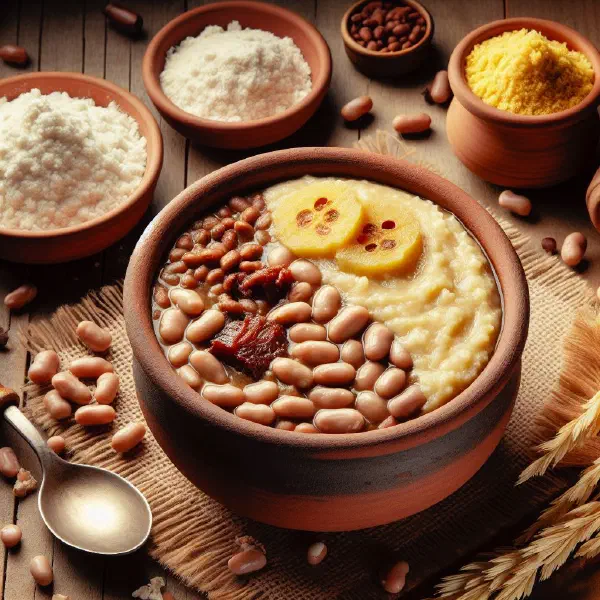
Vegan cooks can replace the butter in this recipe with vegetable oil without any loss of character, making the dish ideal for a vegan diet. For extra depth, reach for spices and herbs with plenty of aroma. Farofa can also be bulked out with raw vegetables or pulses to create a nourishing, balanced meal, much as beans do in a hearty Feijão com Jindungo. These adaptations make the dish not only tasty but genuinely wholesome.
More tips and tricks
To make sure your farofa turns out perfectly, avoid frying the cassava flour for too long, as it can turn bitter. Using fresh herbs such as parsley or coriander adds a welcome lift of freshness. It is also important to stir the mixture regularly so it browns evenly. Feel free to experiment with different vegetables, or serve it alongside grilled steak or Churrasco for a creative plateful.
Adapting the recipe to your taste
Depending on your own preferences, farofa is easy to vary. Add toasted nuts or dried fruit for a sweeter note. You can also work in different vegetables, such as peppers or carrots, to bring more variety to the texture and flavour. Bear in mind that you will need to adjust the cooking time to suit whatever you add, so that the consistency stays just right.
Ingredient substitutions
If you are looking for alternatives to certain ingredients, you can replace the garlic with garlic powder when you have no fresh cloves to hand. The onion can be swapped for shallots, which lend the dish a slightly sweeter character. For a spicier version, add chilli powder or cayenne pepper. This keeps the dish interesting without losing its underlying flavours.
Drink pairing ideas
Farofa goes nicely with sparkling water or with fruity cocktails that complement the side dish. A refreshing lime or mango juice is another excellent choice for brightening up the plate. Among alcoholic drinks, a light beer or a soft white wine rounds off the flavours attractively. It is well worth trying a few combinations to find the balance you like best.
Serving and presentation ideas
An attractive presentation can improve the whole farofa experience considerably. Serve the dish in a nicely decorated bowl and garnish it with fresh herbs. A squeeze of lemon juice as a finishing touch adds a refreshing note. Think, too, about how the colours of the sides and main dishes work together on the plate, so you please the eye as well as the palate.
A bit of history
The origins of farofa reach back to the indigenous peoples of Angola, who valued cassava as a staple food. Over time the recipe was continually adapted and developed to take in new flavours and cooking styles. Today farofa is not only shorthand for Angolan cuisine but has made a name for itself in many other parts of the world too. Its popularity rests on its delicious taste and on how straightforward it is to prepare.
More recipe ideas
Summary: Farofa
In short, farofa is a genuine piece of Angolan cultural heritage, nourishing and extremely versatile. Its simple preparation and the scope for adaptation make it an ideal accompaniment to a great many dishes. Farofa brings the taste of Angola straight to your table. Let this traditional speciality inspire you and bring a little of Africa into your kitchen.