National Dish Angola: Hibiscus Tea (Recipe)
In this article
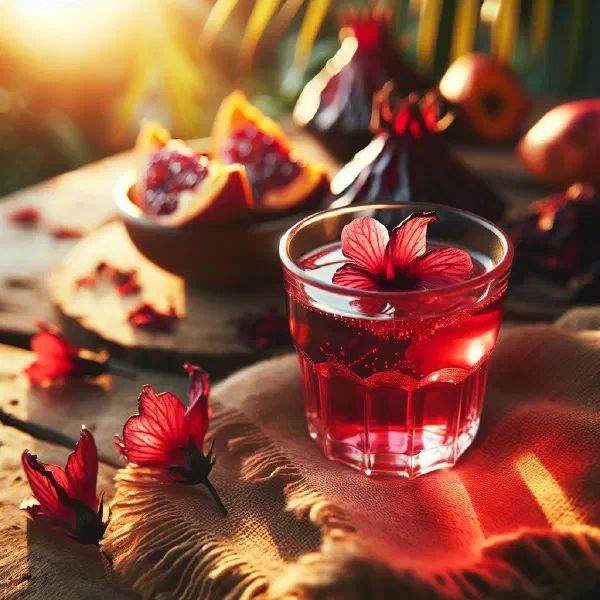
Few drinks announce themselves as boldly as Chá de Hibisco, Angola’s ruby-red hibiscus tea. Steeped from dried hibiscus flowers and served long and cold over ice, it is tart, fruity and wonderfully thirst-quenching, the sort of thing you reach for the moment the sun climbs high. A squeeze of lemon, a spoonful of honey and a sprig of mint are all it takes to turn a simple infusion into something worth lingering over.
About Chá de Hibisco
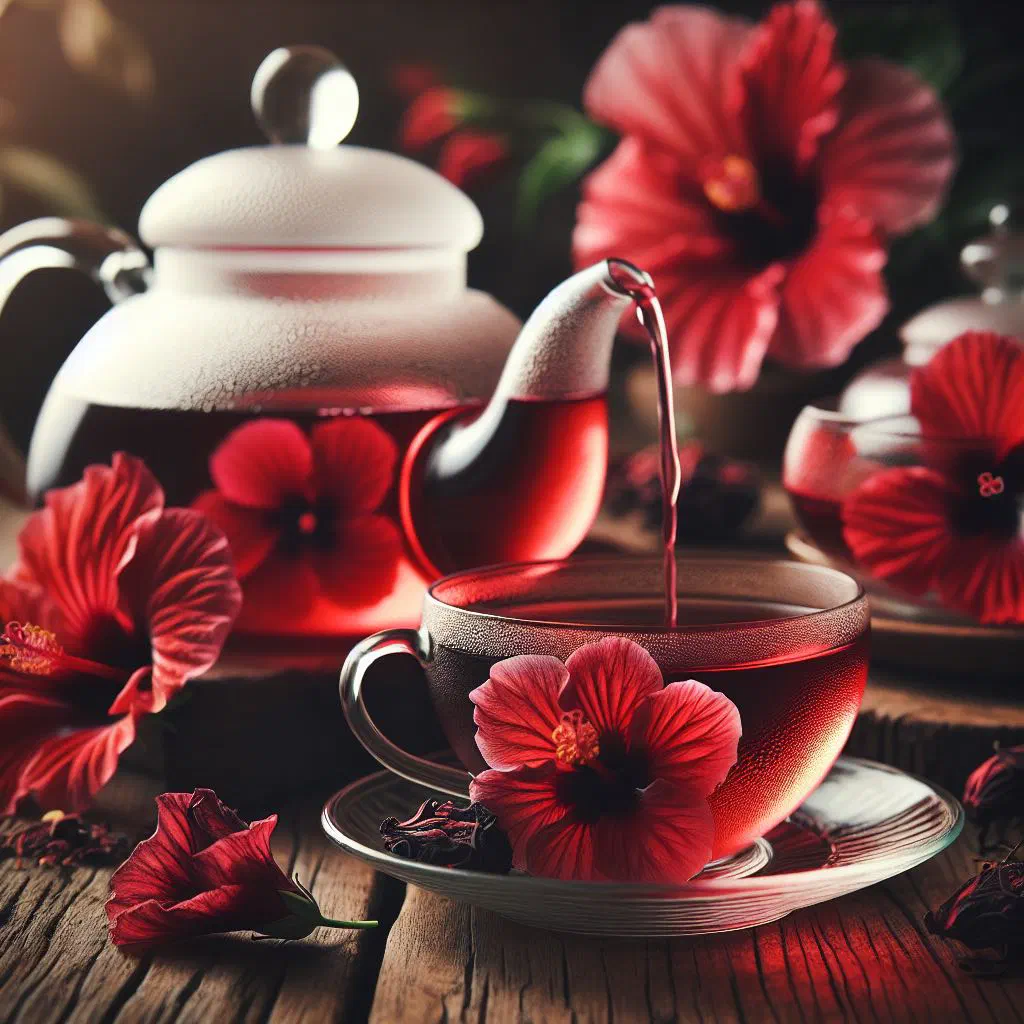
Chá de Hibisco, known in English simply as hibiscus tea, is a traditional drink in Angola, instantly recognisable by its vivid, deep-red colour and its bright, fruity flavour. It is made chiefly from the dried flowers of the hibiscus plant and has a long history across many African and Caribbean cultures. Most often it is served as a cold drink, which makes it an excellent choice on hot days. Beyond the flavour, it also carries a range of health benefits that have helped make it such a firm favourite.
Ingredients (serves 1–2)
- 2 cups water
- 2–3 teaspoons dried hibiscus flowers
- 1–2 tablespoons sugar or honey (to taste)
- Juice of half a lemon (optional)
- Fresh mint leaves, to garnish (optional)
Shopping for the ingredients
The ingredients for Chá de Hibisco are available in most supermarkets and well-stocked grocers. Dried hibiscus flowers turn up most reliably in African or Asian food shops, and sometimes in health-food stores too. When buying, look for flowers that are unsweetened and of good quality. The sugar or honey should be fresh and, ideally, unrefined, which gives the finished tea a rounder flavour.
Preparing the dish
Before you start brewing, it pays to lay everything out. Measure the hibiscus flowers into a bowl so the tea comes together quickly once the water boils. Make sure you have a suitable teapot or a large jug ready for serving, and keep a sieve to hand if you would rather strain the flowers out before the tea reaches the glass.
Step-by-step instructions
- Bring the water to the boil in a pan.
- Add the dried hibiscus flowers and leave them to steep for about 5–10 minutes.
- Strain the tea through a sieve into a jug.
- Stir in the sugar or honey along with the lemon juice until fully dissolved.
- Leave the tea to cool, then chill it in the fridge.
- Serve garnished with fresh mint leaves.
Gluten-free / lactose-free version
Chá de Hibisco is refreshingly simple and flexible, not least because it is naturally gluten-free and lactose-free. You can enjoy the recipe exactly as written even with particular dietary requirements. The only thing worth watching is any additions you make, sugar and honey, for instance, should be checked for the same standards. Beyond that, this is a drink you can pour without a second thought about intolerances.
Tips for vegans and vegetarians
Chá de Hibisco is naturally vegan and vegetarian. If you would rather avoid honey, simply choose a plant-based sweetener instead. Stick to sweeteners that suit your own diet and you will lose nothing in flavour. The tea can also be finished with a splash of plant-based milk if you fancy something a little creamier, an approach that works nicely alongside a glass of Mukua.
More tips and tricks
For an even more intense flavour, add citrus fruit such as limes or oranges to the jug. Experiment with different aromatics too, extra herbs like rosemary or basil create surprisingly good combinations. Playing with the steeping time is another way to dial the flavour up or down to your liking. Keep tasting as you go until you land on the blend that suits you best.
Adapting the recipe to your taste
Chá de Hibisco takes happily to adjustment. Try different sweeteners, or swap in various citrus fruits to shift the character of the drink. Depending on whether you prefer it sweeter or sharper, simply change the amount of sugar or lemon. Treat the recipe as a starting point and build your own version of this traditional Angolan drink.
Ingredient substitutions
If hibiscus flowers prove hard to find, other teas with a similar profile will stand in, rooibos or a good fruit tea, for example. For sweetening, agave syrup and coconut blossom sugar both make sound alternatives. Fresh ginger adds a warming, spicy note, much as it does in Cha de Folha de Moringa. Substitutions like these can bring genuinely new flavours to the glass.
Drink pairing ideas
Chá de Hibisco makes an excellent partner to all sorts of food, particularly light summer meals. Serve it with salads or grilled dishes to echo the fruity notes, or alongside a plate of Churrasco. It also works as a cocktail base when mixed with rum or vodka. The possibilities are close to endless, which is part of the appeal.
Serving and presentation ideas
Presenting Chá de Hibisco can be simple and still look striking. Serve it in attractive glasses or jugs with fresh mint leaves and plenty of ice. For a little extra flourish, add lemon slices or fresh berries as decoration. A thoughtful presentation makes sure the drink looks as good as it tastes.
A bit of history
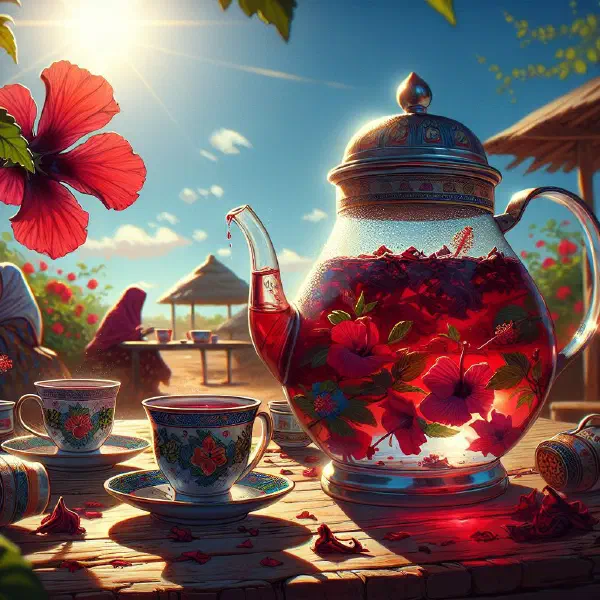
Chá de Hibisco has its origins in West Africa and has established itself over the centuries as an important cultural drink. In Angola it is often served at celebrations and on special occasions. The tea is a symbol of hospitality, offered freely to guests as something both refreshing and restorative, a fixture of Angolan cuisine. Its popularity has driven a marked rise in international demand for hibiscus flowers.
More recipe ideas
Summary: Chá de Hibisco
Chá de Hibisco is a fascinating and genuinely healthy drink, remarkable not only for its deep-red colour but for the long cultural history behind it. Its straightforward preparation and the sheer range of possible variations make it the perfect thirst-quencher for any occasion. It never disappoints. Give this traditional drink a try and let the flavours of Angola win you over.