National Dish Angola: Jinguinga (Recipe)
In this article
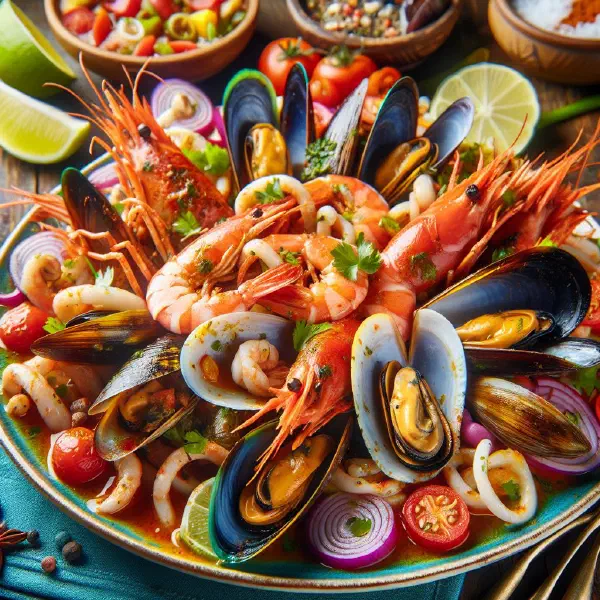
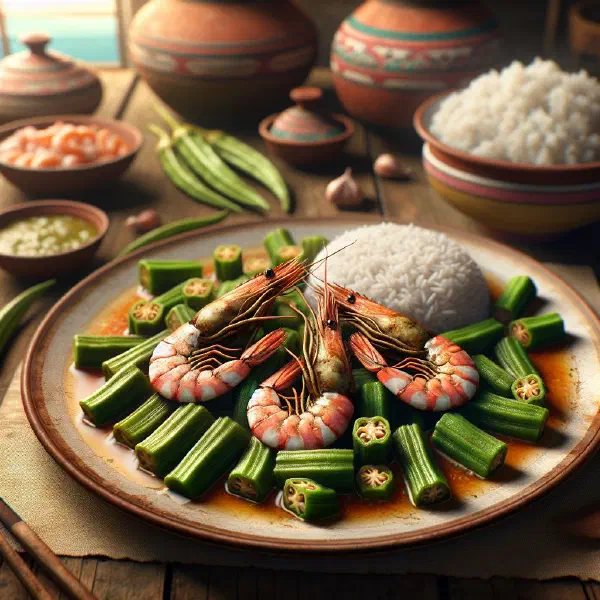
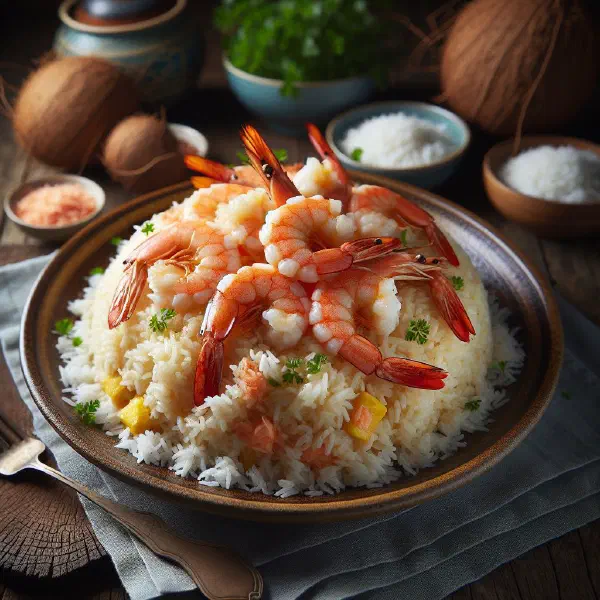
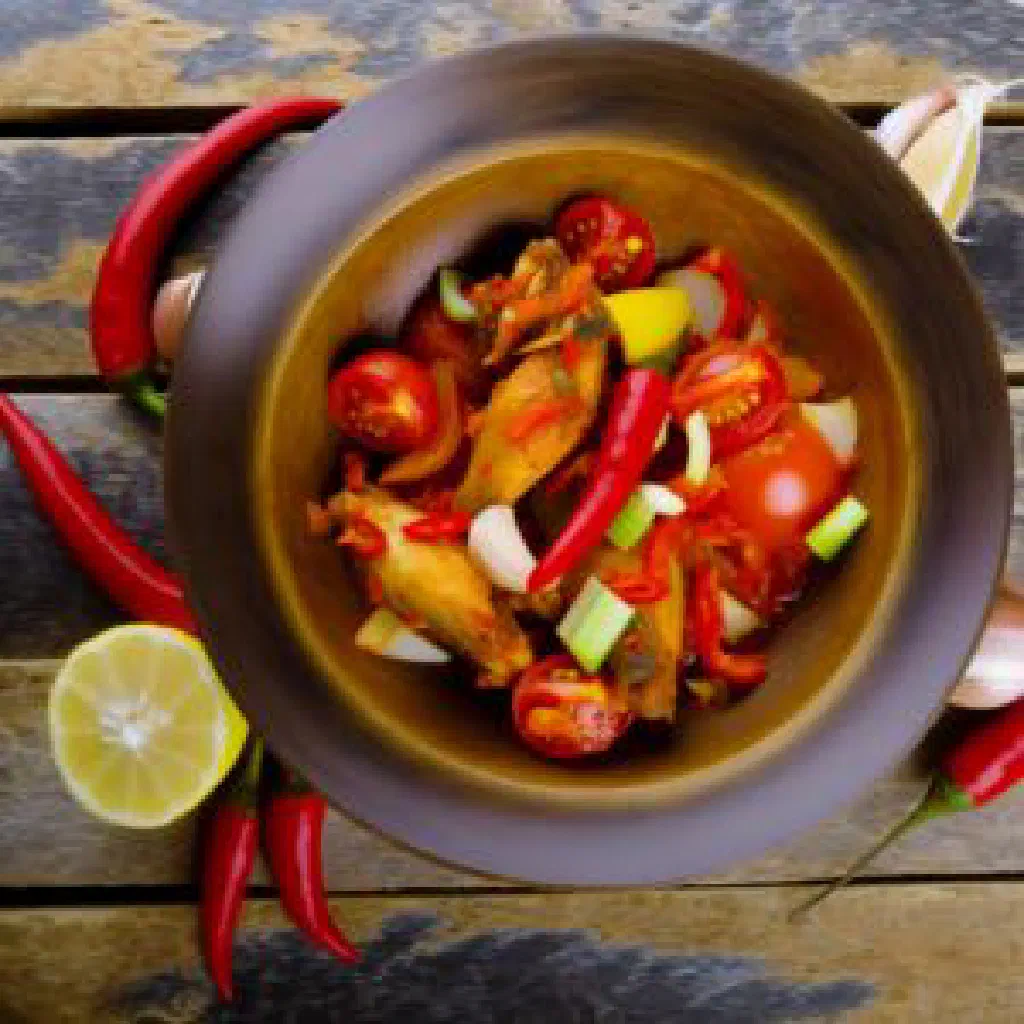
Meet Jinguinga, a bright, generous seafood dish that sits close to the heart of Angola’s coastal kitchens. Fresh prawns and squid meet garlic, sweet peppers and ripe tomato in a single pan, and within minutes the whole kitchen smells of the Atlantic. Traditionally served with funge or plain rice, it is the kind of dish that turns an ordinary evening into something worth lingering over.
About Jinguinga
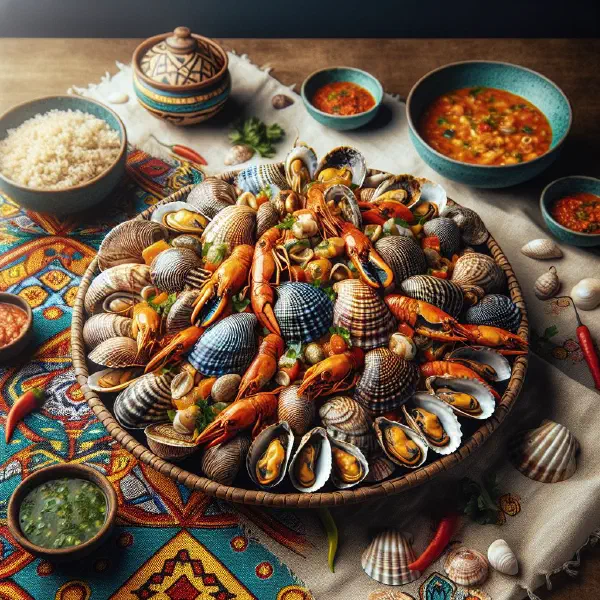
Jinguinga is one of the best known and most warmly regarded dishes of Angolan cooking. It is a hearty seafood dish built from a handful of very fresh ingredients and a confident hand with aromatic spices. That combination gives it a flavour that stays with you long after the plates are cleared, and it wins over locals and visitors alike. It is often served alongside funge or rice, which makes the meal more substantial and rounds out the sauce beautifully. For a related coastal favourite, look at Mariscos Cozidos com Gindungo.
Ingredients (serves 1–2)
- 400 g seafood (prawns and squid, for example)
- 2 garlic cloves, finely chopped
- 1 onion, diced
- 1 tomato, diced
- 1 pepper, diced
- 2 tablespoons olive oil
- 1 teaspoon paprika
- Salt and pepper to taste
- Fresh coriander, to garnish
Shopping for the ingredients
The first step towards a good jinguinga is the shopping. Freshness matters more than anything else here, particularly when it comes to the seafood. Visit a local fishmonger or a supermarket you trust to find prawns and squid in good condition. Do not overlook the vegetables either: ripe tomatoes and firm peppers bring the freshness and depth that carry the whole dish.
Preparing the dish
Before you start cooking, it pays to concentrate on the preparation. Clean and trim the seafood thoroughly so that everything going into the pan is spotless and fresh. The vegetables should be finely chopped so they spread evenly through the sauce rather than sitting in clumps. Good groundwork is genuinely the key to a delicious result, since the actual cooking takes only a few minutes.
Step-by-step instructions
- Heat the olive oil in a frying pan over medium heat.
- Add the diced onion and the garlic and fry until translucent.
- Stir in the diced tomato and pepper and let everything simmer for a few minutes.
- Add the seafood and season with paprika, salt and pepper.
- Cook for a further 5–7 minutes, until the seafood is just done.
- Serve hot, garnished with fresh coriander.
Gluten-free / lactose-free version
A real advantage of jinguinga is that it is naturally gluten-free and lactose-free, as the recipe calls for neither grains nor dairy. That makes it an excellent choice for anyone living with food intolerances. Do check your spice blends and any prepared ingredients, though, to make sure no hidden sources of gluten or lactose have slipped in. This flexibility is part of why the dish suits so many different diets.
Tips for vegans and vegetarians
If you eat vegan or vegetarian, there is a lovely version of this dish waiting for you. In place of seafood, use protein-rich plant ingredients such as tofu or jackfruit. Both take on the spices and aromas of the sauce remarkably well and deliver a similar depth of flavour. Be generous with the vegetables and finish with plenty of fresh herbs to lift everything. A plant-based Matapa makes a fine companion on the same table.
More tips and tricks
There are a few small tricks worth knowing. Above all, do not overcook the seafood, or it turns rubbery, pull it from the heat the moment it turns opaque. A squeeze of lemon at the very end sharpens the flavours and makes the aromas jump. It is also worth experimenting with spices such as turmeric or cumin to give the dish a personal signature.
Adapting the recipe to your taste
Jinguinga is a forgiving, versatile dish that adapts easily to what you like. Vary the type of seafood you use, or add extra vegetables for more colour and texture. If you prefer things fiery, fresh chillies or a spoonful of Gindungo will take it exactly where you want. That adaptability makes it ideal for family gatherings and special occasions, where everyone can find something to their taste.
Ingredient substitutions
If some ingredients prove hard to find, there are plenty of alternatives. Chicken or firm white fish work well in place of prawns. Peppers can be swapped for courgette or carrot, depending on what you have to hand. Substitutions like these let you be creative and shape the dish around your own preferences without losing its authentic character.
Drink pairing ideas
The right drink adds a great deal to jinguinga. A lightly chilled white wine or a crisp rosé sits beautifully alongside fresh seafood. If you would rather skip the alcohol, try a refreshing homemade iced tea or a fruity mocktail built on citrus. A cup of Chá de Hibisco is another traditional choice that rounds off the meal perfectly.
Serving and presentation ideas
Presentation can make a real difference to the pleasure of the meal. Serve the dish in colourful, deep plates and garnish with fresh herbs and lemon wedges. A few brightly coloured vegetables at the side lift the whole plate. Play with different ways of arranging the food to create the kind of visual appeal that has guests reaching for their forks straight away.
A bit of history
Jinguinga carries deep cultural and historical weight in Angola. As part of the country’s food culture it reflects the history and traditions of the coastal regions, where people have been cooking their fresh catch for centuries. The influence of different ethnic groups and of the colonial era is visible in both the ingredients and the methods. Like much of Angolan cuisine, it tells stories of community and celebration, which so often gather around the table.
More recipe ideas
Summary: Jinguinga
Jinguinga is not only delicious but culturally rich, mirroring Angola’s culinary traditions with real clarity. With fresh seafood, a lively mix of spices and endless room for adaptation, it could easily become a favourite in your own kitchen. Jinguinga brings the authentic flavours of Angola straight to your table. Give it a go and let the aromas of Africa work their magic.