National Dish Angola: Kitaba (Recipe)
In this article
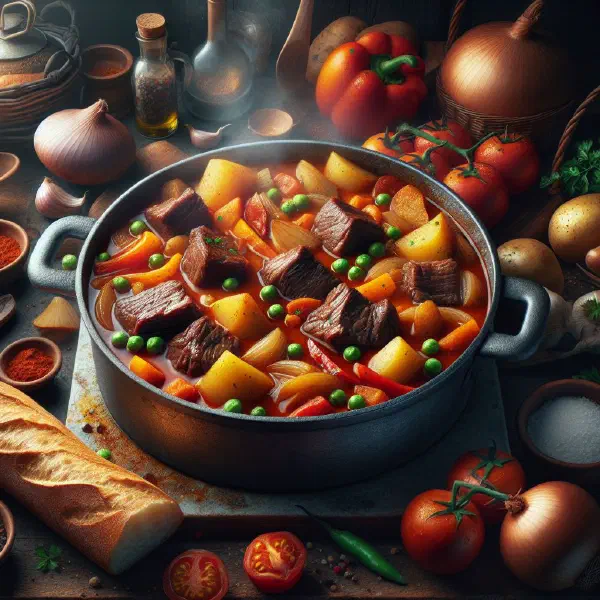
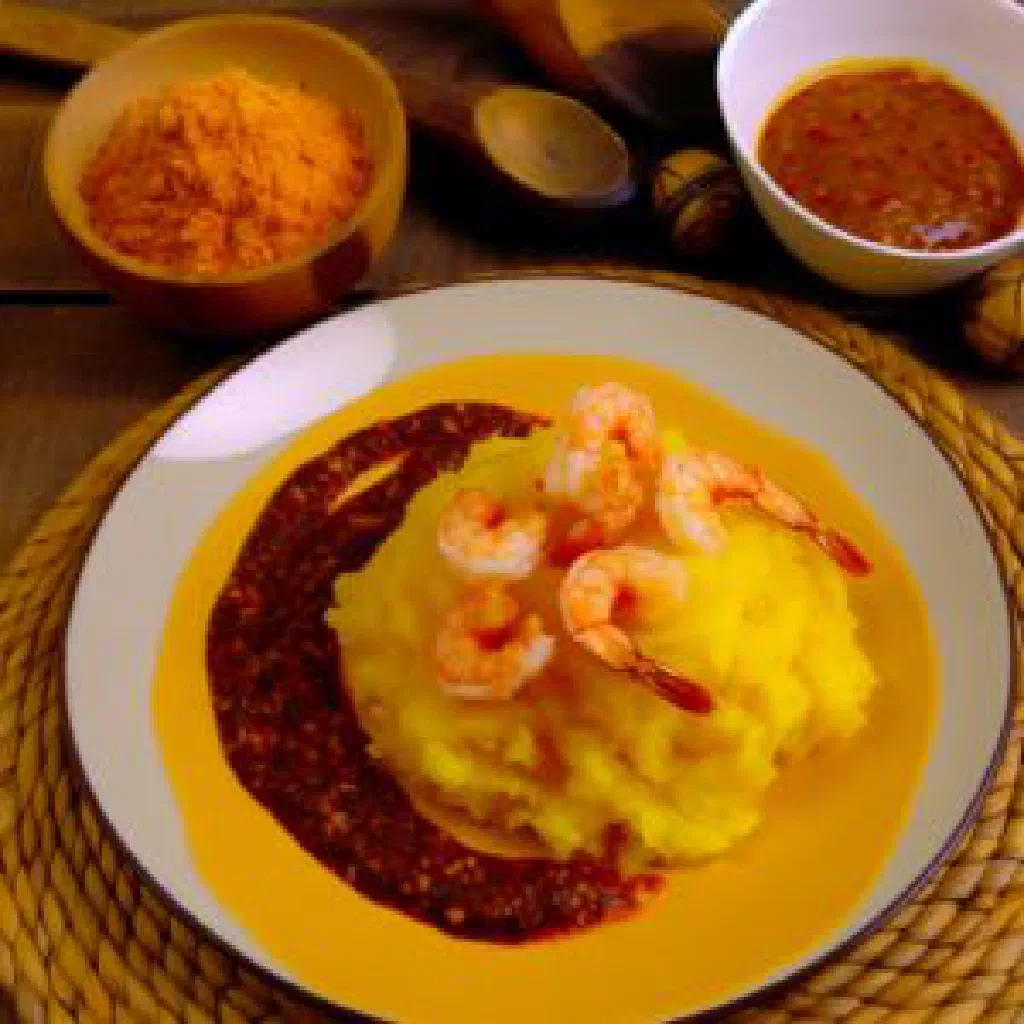
Meet Kitaba, a warming Angolan classic built on tender pieces of beef and a generous hand with the spices. The meat slowly takes on the flavour of a rich tomato sauce shot through with paprika and cumin, until every mouthful tastes of the country it comes from. It is straightforward enough for a weeknight yet special enough for guests, and it makes a wonderful introduction to the cooking of southern Africa.
About Kitaba
Kitaba is a wonderful dish from traditional Angolan cooking, distinguished by its tender pieces of beef and its aromatic seasoning. It is most often served in a hearty sauce that is as rich in flavour as it is in history. Making Kitaba is not only a culinary project but a treat for the senses, an invitation to explore the cultural variety of Angola and to enjoy a little of the country on your own plate.
Ingredients (serves 1–2)
- 300 g beef, cut into cubes
- 1 onion, chopped
- 2 cloves of garlic, chopped
- 1 pepper, cut into strips
- 1 tin of tomatoes, whole or chopped
- Olive oil
- Salt and pepper to taste
- 1 tsp paprika
- 1 tsp ground cumin
- Fresh herbs, such as parsley or coriander
Shopping for the ingredients
To make Kitaba you will want fresh, good-quality ingredients. It is worth visiting a local market for the vegetables and the meat. Look for beef with a decent amount of marbling, as this is what carries the full flavour through the long simmer. The spices matter just as much, so seek out good-quality spices at a well-stocked grocer or order them online if your local shop falls short.
Preparing the dish
Good preparation is essential for a successful Kitaba. Start by cutting the beef into even cubes and finely chopping the onion and the garlic. Slice the pepper into strips, which gives the finished dish a pleasing texture. Have everything ready and to hand before you start cooking. It makes the process far easier and keeps the flavours clean and unmuddled.
Step-by-step instructions
- Heat the olive oil in a pan, add the onion and garlic, and fry until golden brown.
- Add the beef and brown it on all sides until cooked through.
- Add the pepper strips to the pan and fry briefly.
- Stir in the tinned tomatoes and the spices, then let the mixture simmer gently until the sauce thickens.
- Serve the Kitaba hot, garnished with fresh herbs.
Gluten-free / lactose-free version
Kitaba is easily made gluten-free and lactose-free. Simply make sure that all the ingredients you use, spice blends included, are free from gluten. Fresh meat and vegetables are naturally lactose-free, so no substitutions are needed there. Check the labels on packaged products to be certain everything meets your dietary requirements.
Tips for vegans and vegetarians
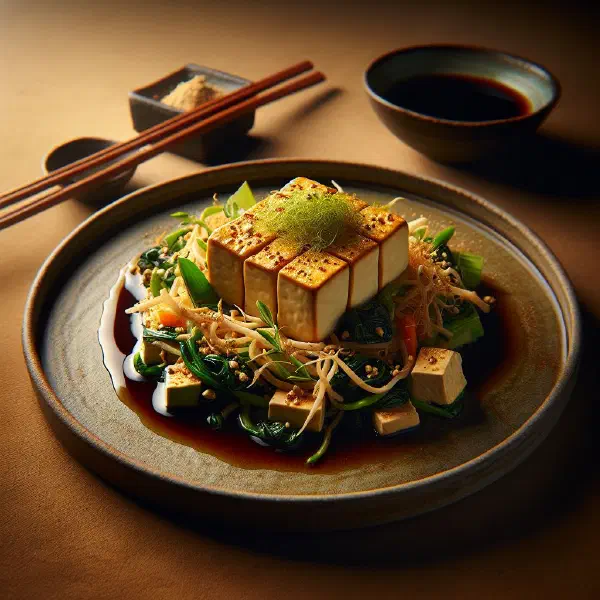
For a vegan or vegetarian version of Kitaba, reach for plant-based proteins such as tofu or seitan, which mimic the texture of the beef nicely. Another option is to leave out the meat altogether and use a larger quantity of vegetables instead, courgette and aubergine both work beautifully, cooked down in the same sauce. A splash of soy sauce or a spoonful of plant-based cream adds extra depth, much as it does in a hearty Madesu.
More tips and tricks
To make your Kitaba even more flavourful, let it rest for a few minutes once it comes off the heat, so the aromas have time to settle and develop. Experiment with different spices and herbs to give the dish your own signature. How you serve it matters too: a scattering of fresh herbs or a squeeze of lemon just before it reaches the table adds a welcome lift of freshness.
Adapting the recipe to your taste
This recipe is extremely versatile and easy to adjust to personal preference. Prefer things hotter? Add fresh chillies or a hot pepper to the pan. If you lean towards sweeter flavours, a small amount of honey or sugar in the sauce makes for an interesting variation. Try different vegetables and different meat alternatives to build new versions of your own, in the same spirit as the many variations of Mufete de Carne.
Ingredient substitutions
If you do not have all the ingredients to hand, there are plenty of alternatives. Instead of beef you can use lamb or pork, both of which come through deliciously. In place of the tomatoes, puréed peppers or carrots give the sauce a different character altogether.
Drink pairing ideas
A number of drinks go very well with a good Kitaba. A fruity red wine harmonises splendidly with the hearty flavours of the sauce. Alternatively, a refreshing homemade lemonade or a glass of ginger beer helps to underline the spices. If you would rather avoid alcohol, herbal tea or simply sparkling mineral water make sensible companions.
Serving and presentation ideas
Presentation can improve the whole Kitaba experience considerably. Serve the dish in an attractive bowl and garnish it with fresh herbs and a squeeze of lemon. Adding decorative sides in separate dishes, rice, pulses or a bowl of Pirao de Feijao, makes the spread look far more inviting. We eat with our eyes first, so a little effort spent on the arrangement is always repaid.
A bit of history
The origins of Kitaba reach deep into Angolan history, where a range of cultures and traditions came together to form a rich culinary identity. The dish reflects the influence of the indigenous population alongside ingredients introduced during the colonial period. Kitaba is more than a meal; it is a symbol of cultural fusion and of Angola’s diversity. Cooking it is often treated as a social occasion, with family and friends gathering to enjoy both the food and the company, a habit that runs right through Angolan cuisine.
More recipe ideas
Summary: Kitaba
Kitaba is an indispensable part of Angolan cooking, winning people over with its deep flavour and its cultural significance. The dish is simple to prepare and offers plenty of scope for adaptation and variation. Kitaba is always a delicious choice. Let it inspire you, and go and discover the many flavours of Angola for yourself.