National Dish Angola: Madesu (Recipe)
In this article
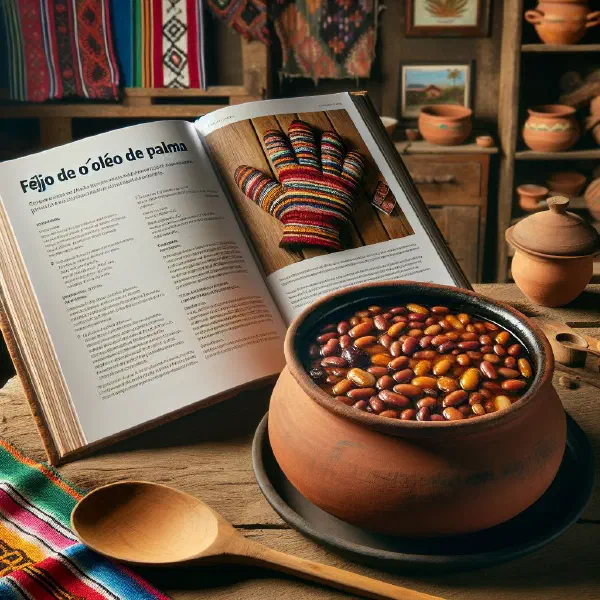
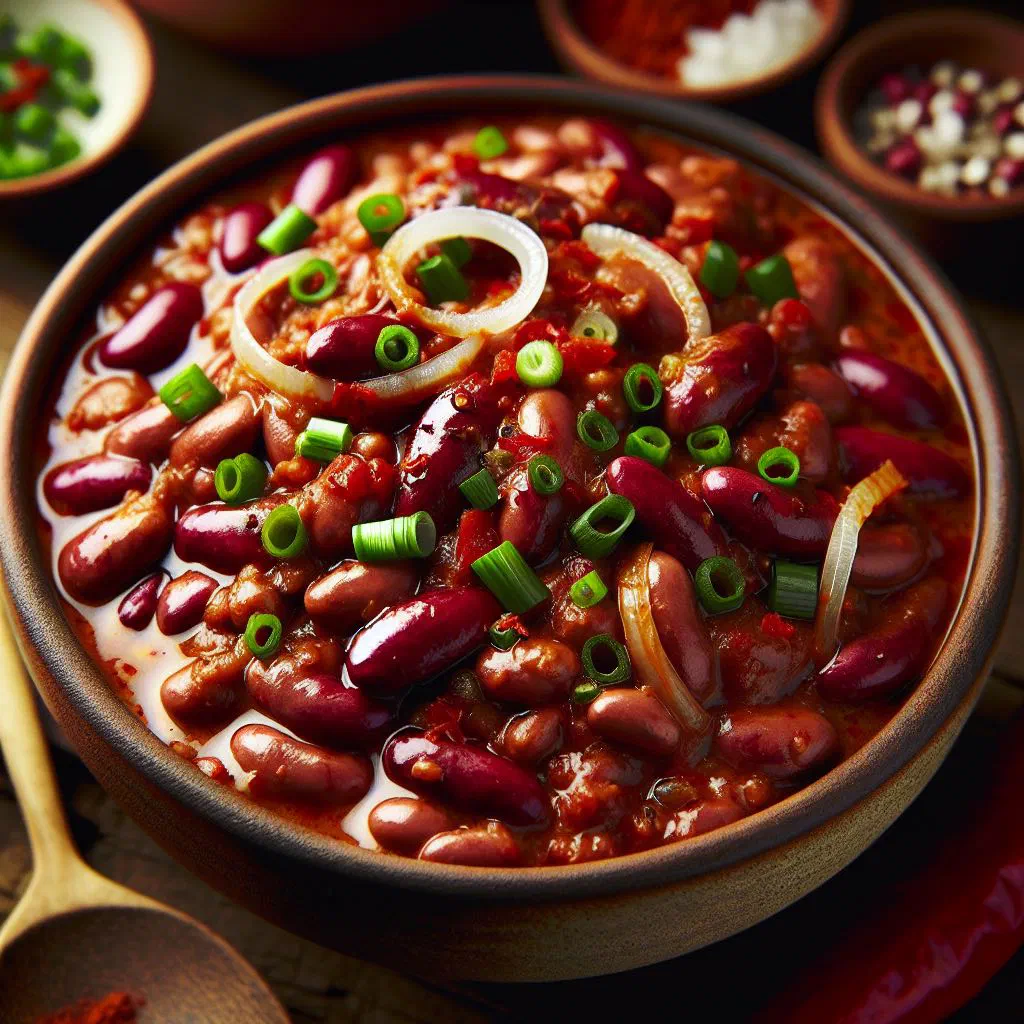
Madesu is the bean stew that anchors Angolan home cooking: red or brown beans cooked slowly with onion, garlic, tomato and red palm oil until the liquid turns thick and orange. A little smoked fish goes in for depth, and it is served with rice or funge. Cheap, filling and made in every household.
About Madesu
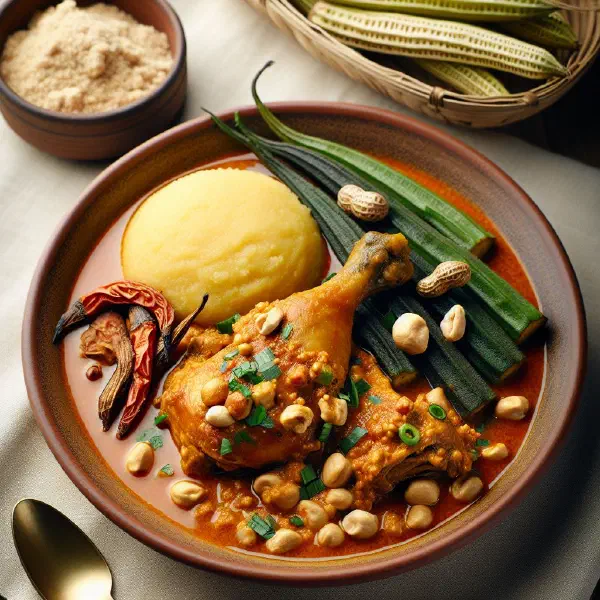
Madesu is Angola’s hearty bean stew, in which tradition and flavour meet. Red or brown beans simmer slowly with palm oil, onions and often a little smoked fish into a thick, well-seasoned stew. This nourishing dish reflects the range of Angolan cooking and is a fixture of family meals, the everyday counterpart to the festive muamba de galinha.
Ingredients (serves 1–2)
- 200 g red or brown beans (soaked overnight, or tinned)
- 1 onion, chopped
- 2 garlic cloves, chopped
- 2 tablespoons palm oil (or sunflower oil)
- 1 tomato, chopped
- 50 g smoked fish or bacon, optional
- Salt and pepper, to taste
- 500 ml water
Shopping for the ingredients
Red palm oil is what makes madesu taste Angolan. It is sold in African grocers as dendê and has a distinctive orange colour and earthy flavour that no other oil replicates. Smoked fish is sold dried in the same shops; a small piece adds enormous depth. Any red or brown bean works.
Preparing the dish
Soak the dried beans overnight, which shortens the cooking considerably. Chop the onion, garlic and tomato. If using dried smoked fish, soak it briefly in warm water and flake it, discarding any bones. A heavy pot with a lid is the right vessel.
Step-by-step instructions
- Soak the beans overnight, then drain.
- Simmer them in the 500 ml water for about 45 minutes, until nearly tender.
- Heat the palm oil in a separate pan and soften the onion for 6–8 minutes.
- Add the garlic and tomato and cook down for 5 minutes into a thick base.
- Stir this into the beans along with the smoked fish, if using.
- Season with salt and pepper.
- Simmer, uncovered, for a further 20–30 minutes until thick and the beans are soft.
- Mash a few beans against the side of the pot to thicken, and serve with rice or funge.
Gluten-free / lactose-free version
Madesu is naturally gluten-free and lactose-free, beans, oil, vegetables and fish. Served with rice or funge, the whole meal remains suitable without any adaptation.
Tips for vegans and vegetarians
Leave out the smoked fish and madesu is fully vegan. To replace the smoky depth, add a teaspoon of smoked paprika or a piece of dried mushroom. Beans in palm oil are a complete and genuinely satisfying plant-based main.
More tips and tricks
Do not salt the beans until they are nearly soft, salting early keeps the skins tough. Mash a spoonful of beans into the pot to thicken the sauce naturally rather than reaching for flour. And use real palm oil if you possibly can; it is the difference between madesu and any other bean stew.
Adapting the recipe to your taste
Chilli or piri piri is a common addition. Spinach or cassava leaves stirred in near the end make it a fuller meal. Some households add a little peanut butter, which thickens and enriches the sauce noticeably.
Ingredient substitutions
Kidney beans, pinto beans or black-eyed peas all work. Sunflower oil with a pinch of paprika approximates palm oil’s colour if not its flavour. Smoked bacon substitutes for the smoked fish.
Drink pairing ideas
Cold Angolan beer is the everyday pairing. Bebida de bombó, the fermented cassava drink, is the traditional non-alcoholic choice. A robust red wine suits it for anyone eating it as a dinner.
Serving and presentation ideas
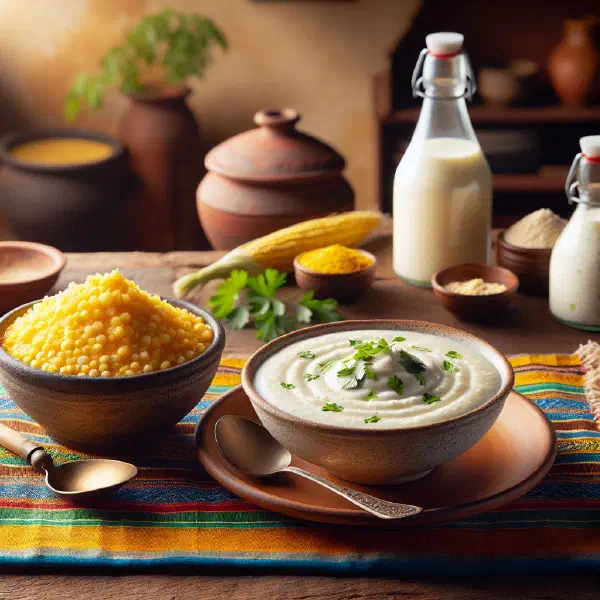
Serve madesu in deep bowls over rice, or alongside funge, the stiff cassava porridge that is Angola’s true staple, pulled off in pieces and used to scoop up the beans. A little extra palm oil drizzled over the top is traditional.
A bit of history
The name comes from Kikongo and Kimbundu, where madesu simply means beans, and versions of the dish are cooked across Angola and the Congo basin. It is everyday food rather than celebration food, the pot on the stove that feeds a household through the week, adapted to whatever protein is available. It offers a genuine window onto Angolan cuisine.
More recipe ideas
Summary: Madesu
Madesu is red beans slow-cooked with onion, tomato and red palm oil, deepened with a little smoked fish. Salt them late, mash a few to thicken, and serve with rice or funge.