National Dish Angola: Mufete de Peixe (Recipe)
In this article
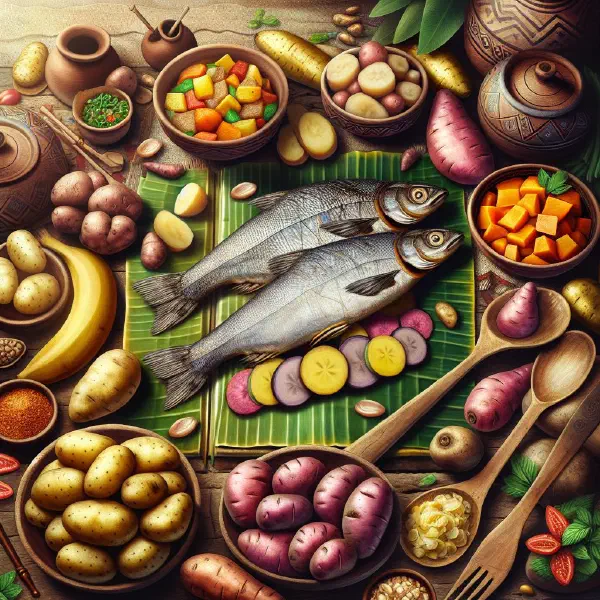
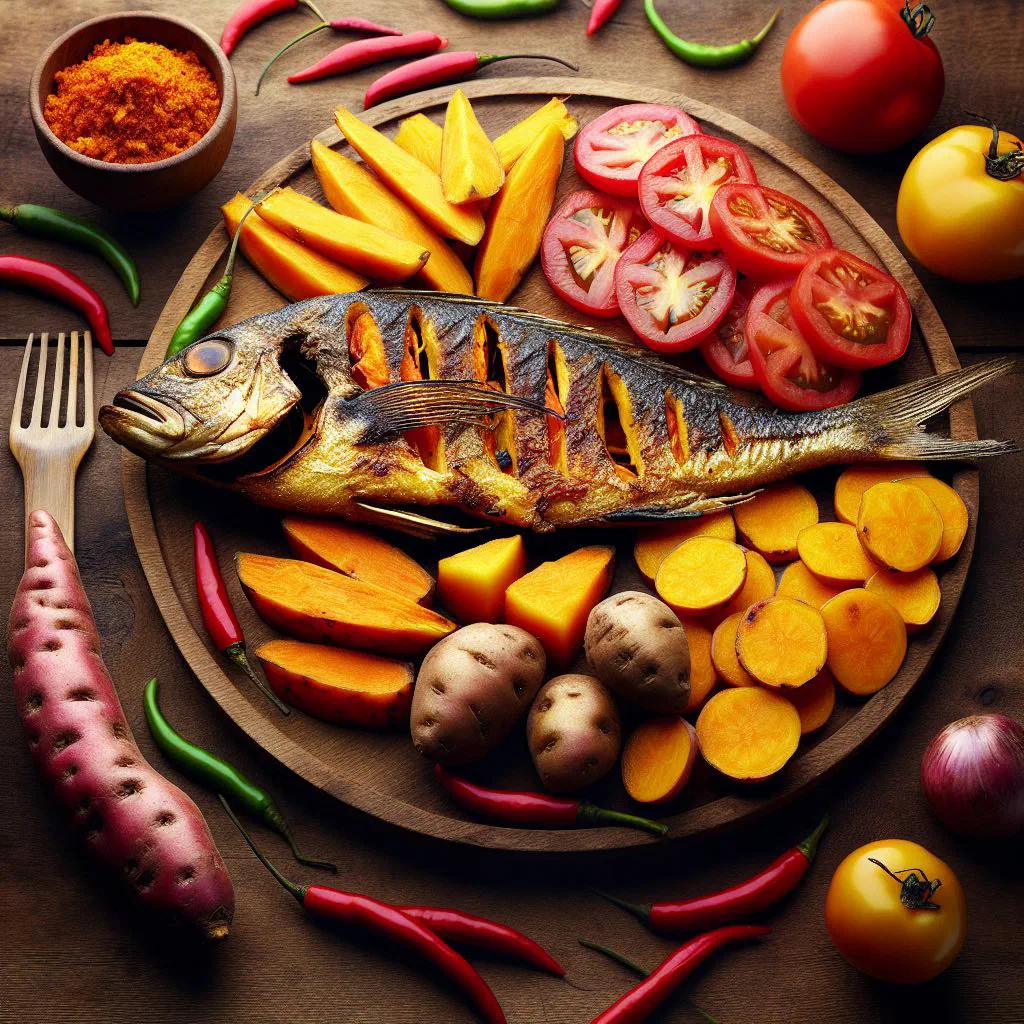
Meet Mufete de Peixe, the celebrated national dish of Angola and a firm favourite whenever friends and family gather. At its heart sits freshly grilled fish, marinated in warm spices and charred over open flames, surrounded by a colourful spread of side dishes. It is generous, sociable food, the kind that fills a table and keeps everyone talking long after the plates are empty. Bring a taste of the Angolan coast into your own kitchen.
About Mufete de Peixe
Mufete de Peixe is the national dish of Angola, reflecting both the country’s culinary variety and a deeply rooted tradition. The dish combines grilled fish, usually marinated in a blend of spices, with a bright selection of side dishes that together deliver a remarkable depth of flavour. In Angola, mufete is a staple of social gatherings and celebrations, served in the open air and shared communally. Every mouthful sends your taste buds on a journey through the flavours and textures of the Atlantic coast.
Ingredients (serves 1–2)
- 400g fresh fish (tilapia or sea bream, for example)
- 200g rice
- 150g black beans
- 1 onion
- 2 tomatoes
- 1 pepper
- 3 tablespoons vegetable oil
- Spices (salt, pepper, paprika, garlic powder)
Shopping for the ingredients
To make mufete de peixe well, it is worth choosing good-quality ingredients from the outset. Visit your local market or an African or Asian grocery to buy the fish, and make sure it is fresh and properly chilled, clear eyes and a clean sea smell are the signs to look for. The beans and vegetables should be fresh too, as the quality of the produce has an enormous influence on the finished plate.
Preparing the dish
Good preparation makes all the difference with mufete de peixe. Begin by cleaning the fish and marinating it with your preferred spices so it takes on a deep, rounded aroma. While the fish rests, you can get the rice and the black beans on to cook. Organising everything in advance is genuinely helpful here: once the fish hits the grill things move quickly, and you will not want to be chopping vegetables at the same time.
Step-by-step instructions
- Clean the fish thoroughly, cut it into strips and marinate it with the spices.
- Cook the rice and the beans according to the packet instructions.
- Finely chop the vegetables — onion, tomato and pepper.
- Heat a pan and fry the vegetables in a little oil.
- Place the marinated fish on the grill and cook until golden brown.
- Serve the fish alongside the rice, the beans and the vegetable mix.
Gluten-free / lactose-free version
Mufete de peixe is naturally gluten-free and lactose-free. All the core ingredients, fish, rice and black beans, contain neither gluten nor lactose. Do check that any spice blends or ready-made marinades you use are certified gluten-free, as these are the usual hiding places for unwanted additives. With that one small precaution you have a wholesome dish that everyone at the table can enjoy.
Tips for vegans and vegetarians
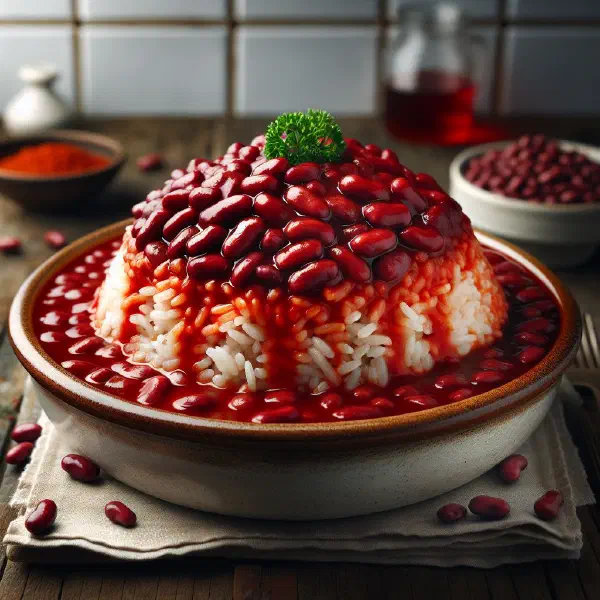
There are straightforward alternatives for anyone following a vegan or vegetarian diet. In place of the fish, use grilled vegetables or firm tofu, marinated in exactly the same spice mixture so the character of the dish stays intact, much as it does in the plant-based Madesu. Make sure the marinade itself contains no animal products. The pairing of beans and rice supplies all the essential amino acids, so a meat-free mufete is every bit as nourishing.
More tips and tricks
One useful trick is to let the fish rest in the fridge for a few hours before grilling. The spices penetrate far more deeply that way and the aroma intensifies noticeably. Take care to preheat the grill or pan properly, too, so the fish cooks evenly rather than sticking and steaming. A crisp skin is the clearest sign that your temperature and timing were right, and it lifts the whole eating experience.
Adapting the recipe to your taste
The recipe adapts easily to personal preference. Do you like things hotter? Add a few chillies or a spoonful of hot sauce, Angolans often reach for piri piri here, as in Piri Piri Chicken. If you prefer a milder version, hold back on the spices and let the freshness of the fish and vegetables carry the plate instead. That flexibility is exactly what makes mufete a dish for every palate.
Ingredient substitutions
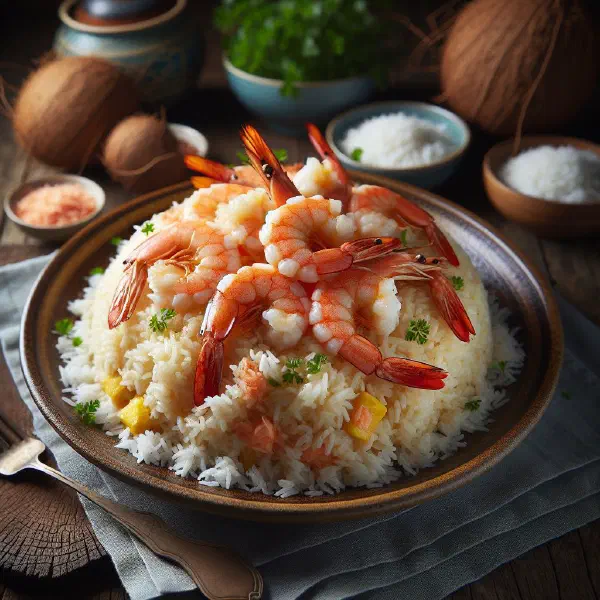
Several substitutions work well if something is not available. Instead of fish, try prawns or clams, both of which take the marinade beautifully, Mariscos Cozidos Com Gindungo shows just how well shellfish suits these flavours. Chickpeas make a tasty alternative to black beans, and quinoa can stand in for the rice, raising the nutritional value and giving the dish a more contemporary look.
Drink pairing ideas
A number of drinks round off mufete de peixe harmoniously. A crisp white wine or a light lager sits comfortably alongside the grilled fish without overwhelming it. For an alcohol-free option, serve a refreshing lemon water or a fruity iced tea. Either choice keeps the palate clean between mouthfuls and lets the spiced, smoky aromas of the dish come through clearly.
Serving and presentation ideas
For an attractive presentation, arrange mufete de peixe on one large platter. Place the fish in the centre and spoon the rice and beans neatly around it. Garnishes such as fresh herbs or a wedge of lemon give the plate visual appeal and underline the freshness of the ingredients. Edible flowers or extra colourful vegetables can add a further flourish if you are serving guests.
A bit of history
The origins of mufete de peixe reach deep into Angolan history. The dish grew out of simple, traditional cooking methods passed down from one generation to the next, particularly among the fishing communities of the Atlantic coast. Over time it absorbed influences from other cultures, which is why it appears today in so many regional variations, from Mufete de Cacusso to versions built around meat. Mufete is not merely a meal but a genuine expression of the hospitality that defines Angolan cuisine.
More recipe ideas
Summary: Mufete de Peixe
To sum up, mufete de peixe is a true culinary delicacy that mirrors the rich culture of Angola. With its delicious grilled fish and its varied array of side dishes, it is perfectly suited to sociable occasions and long, unhurried meals. The ease with which the recipe can be adapted, and the range of ingredients that work within it, make it straightforward to enjoy at home. Treat yourself to this experience and let the flavours of Angola inspire you.