National Dish Angola: Tofu de Peixe (Recipe)
In this article
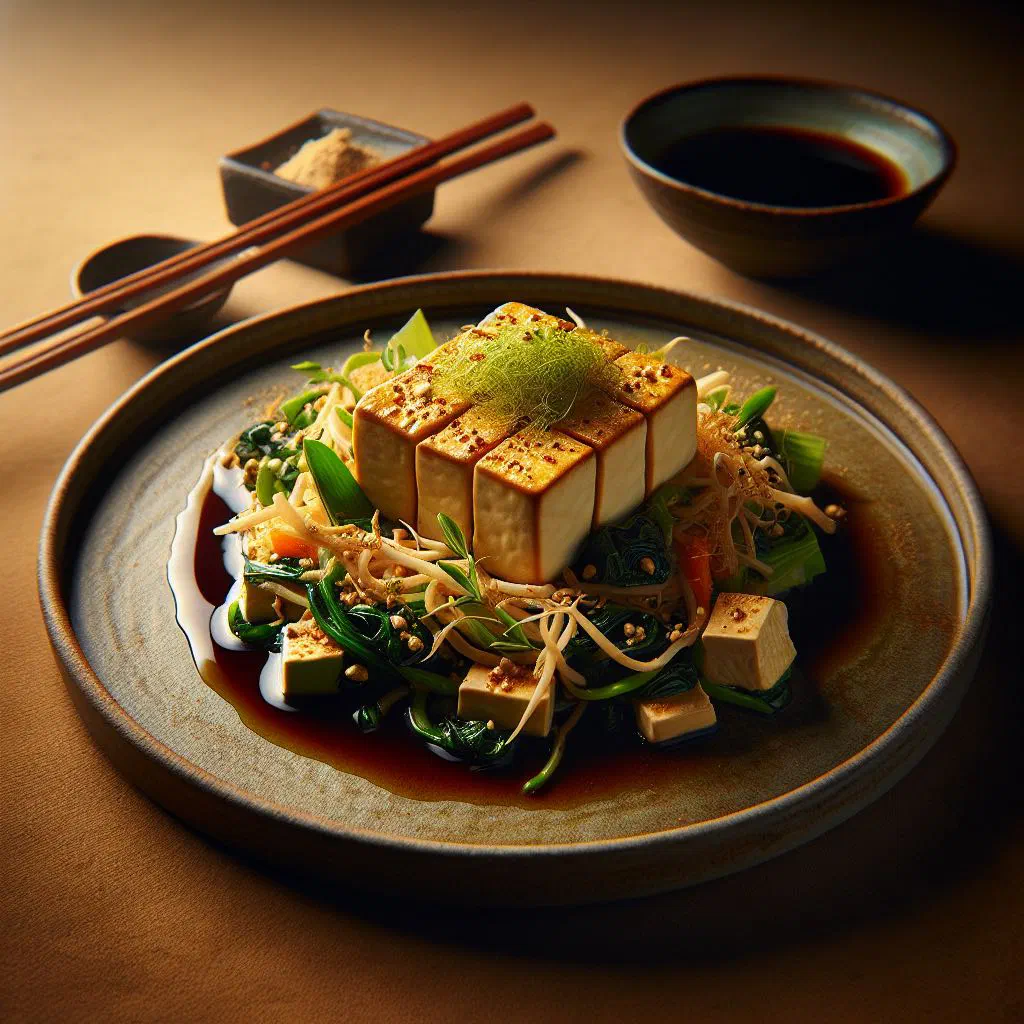
Say hello to Tofu de Peixe, Angola’s clever plant-based answer to the classic fish dishes of its Atlantic coast. Firm tofu takes the place of fish, soaking up smoky paprika, warm cumin and a rich tomato base until every cube tastes of the sea breeze and sun-baked markets of Luanda. It is quick, nourishing and endlessly forgiving. Perfect for cooks who like to experiment and for anyone chasing big flavour without meat.
About Tofu de Peixe
Tofu de Peixe is a fascinating dish from Angola that mirrors the aromas and traditions of a wonderfully rich food culture. Widely regarded as the vegan stand-in for the country’s beloved fish plates, it pairs the satisfying bite of tofu with a generous spice mix and fresh vegetables for a result that is remarkably tasty. The dish is full of flavour and genuinely nutritious, which makes it a superb choice for anyone eating with health in mind. Let the aromas of Angola work their magic on you.
Ingredients (serves 1–2)
- 200 g tofu
- 1 onion
- 2 cloves of garlic
- 1 pepper (red or green)
- 1 teaspoon paprika powder
- 1 teaspoon ground cumin
- 1 tablespoon tomato purée
- 2 tablespoons olive oil
- Salt and pepper to taste
Shopping for the ingredients
The ingredients for tofu de peixe are easy to find in most supermarkets. Look for fresh, firm tofu to guarantee the best texture and flavour, as softer varieties tend to fall apart in the pan. Vegetables such as onions and peppers are just as simple to source and do much of the aromatic heavy lifting. Pick up good-quality paprika and cumin too, since these are the spices that give the dish its authentic character.
Preparing the dish
Getting tofu de peixe ready is straightforward and unfussy. Start by cutting the tofu into cubes and soaking them in water for a few minutes so they take on the flavours more readily. While the tofu sits, chop the onions and peppers into small pieces so everything cooks at the same rate. These simple steps make sure the dish cooks evenly and tastes balanced from the first bite to the last.
Step-by-step instructions
- Heat the olive oil in a frying pan over a medium heat.
- Add the onion and garlic and fry until golden brown.
- Stir in the pepper and cook for a further 5 minutes.
- Add the soaked tofu along with the paprika powder and cumin.
- Stir through the tomato purée and let everything simmer for 10 minutes.
- Season with salt and pepper and serve.
Gluten-free / lactose-free version
One of the best things about tofu de peixe is that it is naturally gluten-free and lactose-free. Because the main components are simply tofu and fresh vegetables, anyone with an intolerance can enjoy it without a second thought. Just double-check that the spices and oils you use are certified gluten-free, as blended seasonings occasionally contain fillers. That small precaution means the dish is genuinely suitable for everyone at the table.
Tips for vegans and vegetarians
Tofu de peixe is an excellent choice for vegans and vegetarians thanks to its generous plant protein content. Experiment with different vegetables to fold extra nutrients and aromas into the pan, courgette, aubergine and okra all work beautifully, much as they do in Molho de Quiabos. You can also adjust the spice blend freely to fine-tune the flavour to your liking. Cooking this way is not only healthy but pleasingly varied.
More tips and tricks
There are a few tricks worth knowing to get the most out of tofu de peixe. Marinate the tofu before cooking for an even deeper flavour, ideally for half an hour or more. Searing the cubes on their own before the other ingredients go in gives them a lovely golden crust and a firmer bite. Try different accompaniments too, rice or quinoa both make the meal more substantial and easier to digest.
Adapting the recipe to your taste
The flexibility of tofu de peixe means you can shape the recipe around your own preferences. Add fresh chillies for extra heat, or swap the vegetables according to season and availability. Different oils, sesame oil in particular, open up an entirely new flavour direction. Let your creativity lead the way and vary the recipe as often as you like.
Ingredient substitutions
If an ingredient is missing, there are plenty of alternatives for tofu de peixe. Tempeh makes a fine substitute for tofu if you prefer a firmer, nuttier texture. Frozen or tinned vegetables stand in perfectly well for fresh when time is short, and the spices are entirely interchangeable, so you can steer the dish towards your own palate. A spoonful of groundnut sauce in the style of Molho de Ginguba adds body if you want something richer.
Drink pairing ideas
The right drink helps tofu de peixe show its best side. A light, dry white wine complements the spices without competing with them. For alcohol-free options, a fresh lemonade or a fruit smoothie brings a welcome cooling note to the meal. Whatever you choose, keep it on the lighter side so it supports rather than overwhelms the delicacy of the dish.
Serving and presentation ideas
The presentation of tofu de peixe can be every bit as creative as the cooking. Serve it in an attractive bowl and garnish with fresh herbs such as coriander or parsley. A squeeze of lemon sharpens the flavour and brightens the colours on the plate. A few colourful sides, a crisp salad or some steamed vegetables, complete the picture, and a bowl of Funge in tomato sauce turns it into a proper feast.
A bit of history
Tofu de peixe has its origins in Angola, where cooking with fresh, local ingredients is deeply rooted in everyday life. The dish reflects the influence of several cultures and the resourceful use of whatever the land and sea provide. Preparing it with tofu rather than fish is a modern twist that gives vegans and vegetarians a flavourful alternative to coastal classics such as Mufete de Peixe. In that sense the recipe also mirrors a wider shift within Angolan cuisine towards healthy, sustainable eating.
More recipe ideas
Summary: Tofu de Peixe
All in all, tofu de peixe is a varied and thoroughly tasty dish that offers no end of room for adaptation. Fresh, local ingredients and aromatic spices combine into a genuine explosion of flavour that few will see coming from such a simple pan. Vegetarian or simply a fan of good food, this recipe is a real asset to your kitchen. Invite friends and family round and enjoy this fantastic Angolan dish together.