National Dish Argentina: Bizcochuelo (Recipe)
In this article
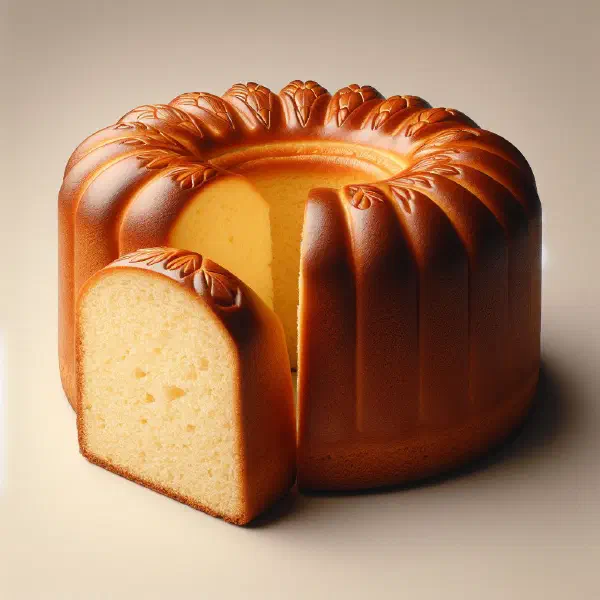
Meet Bizcochuelo, the airy sponge cake that Argentinian home bakers turn to again and again. With just a handful of storecupboard ingredients and barely half an hour in the oven, it delivers a light, cloud-soft crumb that is every bit as good on its own as it is layered up into something grander. From birthday tables to quiet afternoons with a cup of coffee, this is the cake that quietly holds Argentinian baking together.
About Bizcochuelo
Bizcochuelo is a traditional Argentinian sponge cake celebrated for its fluffy, airy texture. It serves not only as the foundation for countless other desserts but is also thoroughly enjoyable eaten plain. In Argentina, bizcochuelo is a fixture at celebrations and special occasions. The simplicity of the method and the short ingredient list make it a firm favourite in households up and down the country.
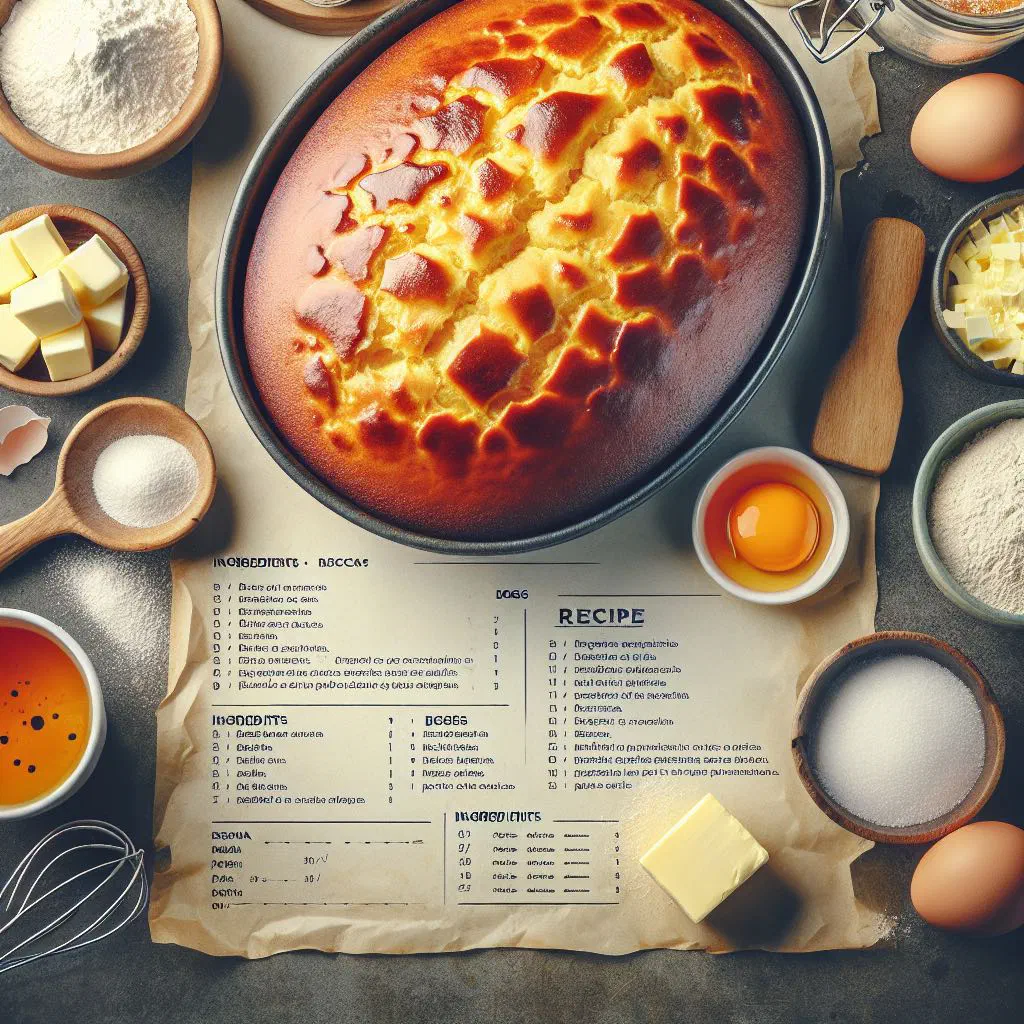
Ingredients (serves 1–2)
- 2 large eggs
- 100 g sugar
- 100 g plain flour
- 1 teaspoon baking powder
- A pinch of salt
Shopping for the ingredients
When shopping for the ingredients for your bizcochuelo, pay attention to the quality of what you buy. Fresh eggs are decisive for a fluffy batter, and good sugar can improve the flavour considerably. Make sure the flour and the baking powder are fresh so you get the best possible texture. Most of the ingredients are available in any well-stocked supermarket, which puts this recipe within easy reach of everyone.
Preparing the dish
Getting ready to bake a bizcochuelo could hardly be simpler and takes only a few steps. First, preheat the oven to 180°C so it is at the right temperature by the time the batter is finished. You will also need to grease a cake tin with a little butter and, if you like, dust it with flour to stop the cake sticking. Careful preparation is the key to a perfect bake.
Step-by-step instructions
- Beat the eggs and sugar together well in a bowl until the mixture is pale and creamy.
- Add the flour, baking powder and salt, and fold them in gently.
- Pour the batter into the prepared tin and smooth the top.
- Bake in the preheated oven for about 25–30 minutes, until golden brown.
- Take the bizcochuelo out of the oven and leave it to cool completely.
Gluten-free / lactose-free version
To make a gluten-free and lactose-free bizcochuelo, simply use gluten-free flour, which is widely stocked in supermarkets. Check that all the other ingredients are gluten-free as well, particularly the sugar. For a lactose-free version, reach for alternatives such as plant-based milk if you want to moisten the cake. That small swap opens the recipe up to a far wider circle of people.
Tips for vegans and vegetarians
If you would like to bake a vegan version of bizcochuelo, the eggs can be replaced with plant-based alternatives such as apple sauce or a flaxseed substitute. These ingredients help preserve the structure and moisture of the cake. There are also special vegan baking powders you can use. Vegans need not miss out on this delicious cake, much as they need not miss out on a plate of Humita.
More tips and tricks
A few extra pointers will make your bizcochuelo even better. Adding vanilla extract or a little lemon, for example, gives the cake a distinctive lift. Separating the eggs and whisking the whites separately will make the crumb fluffier still. Experiment with different flavourings until you land on your personal favourite.
Adapting the recipe to your taste
Everybody’s palate is different, and bizcochuelo is a versatile recipe that adapts easily. Add a pinch of cinnamon or a scattering of chocolate chips for a different twist. If you like things fruitier, work puréed fruit into the batter or decorate the finished cake with fresh fruit, the same generous spirit you find in an Ensalada de Frutilla.
Ingredient substitutions
If you would rather do without certain ingredients, there are several alternatives worth considering for bizcochuelo. Instead of wheat flour you can use almond flour or coconut flour to bring the cake in line with low-carb eating. If sugar is the sticking point, sweeteners such as stevia or honey will keep the sweetness intact. These substitutes deliver equally delicious variations on the classic.
Drink pairing ideas
The right partner can lift the whole bizcochuelo experience. A cup of freshly brewed coffee or a mild tea harmonises beautifully with the cake’s gentle sweetness, and a traditional Mate Cocido is the choice many Argentinians would make without a second thought. A fruity smoothie or a glass of fresh orange juice is refreshing too. Match the drink to the occasion and the dessert shows at its best.
Serving and presentation ideas
To serve your bizcochuelo at its most inviting, garnish it prettily. A dusting of icing sugar and a scattering of fresh berries look wonderful and add extra flavour. Present the cake on an attractive stand and add a few mint leaves for a splash of colour. A thoughtful presentation makes the eating twice as pleasurable.
A bit of history
Bizcochuelo has its roots in Argentinian culture and is a fixture at traditional festivals and celebrations. The cake was originally brought to Argentina by immigrants and has developed into countless variations ever since. Its popularity comes from the straightforward recipe and from how readily it takes to different fillings and toppings, the same open-armed appetite that runs through all of Argentinian cuisine. There is a slice of history in every bite.
More recipe ideas
Summary: Bizcochuelo
In short, bizcochuelo is a simple yet versatile sponge cake that can be made in a great many ways. Its fluffy crumb and its willingness to be adapted have earned it a place in kitchens everywhere. Bizcochuelo promises pleasure and good cheer. Give this classic recipe a go and bring a piece of Argentinian culture into your own home.