National Dish Argentina: Humita (Recipe)

In this article
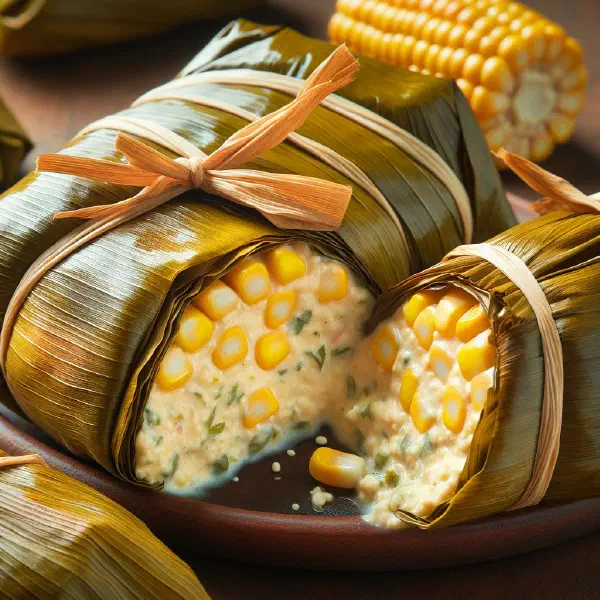
Meet Humita, a gentle, golden classic that has been feeding the Andes for centuries. Freshly grated sweet corn is folded together with herbs and creamy cheese, tucked into corn husks and steamed until soft and fragrant. It is humble food with real depth, the kind of dish that tastes of place. Bring a little of northern Argentina’s mountain kitchen to your own table.
About Humita
Humita is a traditional Argentinian dish with deep roots in Andean culture. It brings together freshly grated sweet corn, aromatic herbs and creamy cheese in a mixture that is at once rich and delicate. The parcels are wrapped in corn husks and steamed, which keeps them tender and beautifully moist. More than just a treat for the palate, humita is a symbol of Argentinian identity, still made much as it always has been.
Ingredients (serves 1–2)
- 2 cups freshly grated sweet corn (or tinned)
- 1/2 cup cream cheese or feta
- 1/4 cup chopped onion
- 1/4 cup chopped fresh herbs (parsley or coriander, for example)
- 1/4 cup cornmeal
- 1/2 teaspoon salt
- 1 teaspoon pepper
- 10–12 corn husks, soaked in warm water
Shopping for the ingredients
Humita depends on fresh, good-quality ingredients. Head to your local market or a wholefood shop to find sweet corn at its best, the sweeter and juicier the cobs, the better the result. Make sure the cheese is fresh and will sit comfortably alongside the other flavours rather than dominating them. Your choice of herbs shapes the taste too, so fresh bunches are always preferable to dried.
Preparing the dish
Start by grating the sweet corn if you are using fresh cobs, working over a bowl so none of the milky juice is lost. Chop the onions finely, and wash and shred the herbs. The corn husks need to soak in warm water beforehand so they turn supple and easy to fold without tearing.
Step-by-step instructions
- In a large bowl, combine the grated corn, cream cheese, onions, herbs, cornmeal, salt and pepper.
- Spoon one to two tablespoons of the mixture onto a corn husk and fold the husk around it.
- Place the folded parcels in a steamer and steam for around 30 minutes.
- Lift the humitas out carefully once steamed and serve straight away.
Gluten-free / lactose-free version
This recipe is easily made gluten-free. Simply check that the cornmeal you use is certified free from gluten, as some brands are milled alongside wheat. For a lactose-free humita, reach for lactose-free cream cheese or a plant-based alternative. That way many more people can enjoy the dish without giving up any of the flavour. It is always worth reading the labels to make sure no unwanted additives have crept in.
Tips for vegans and vegetarians
For a vegan humita, swap the cheese for a plant-based alternative or a homemade nut cheese, which brings its own pleasant richness. Spring onions in place of the standard onion keep things fresh and lively. The combination of freshly grated corn with herbs and spices carries the dish perfectly well on its own. The result stays every bit as delicious and slots neatly into a plant-based diet, much like a vegetable-led Tarta De Zapallitos.
More tips and tricks
Humita rewards a bit of experimenting with spices and herbs. Try adding chilli or garlic to give the mixture more backbone and warmth. The texture is yours to control as well: more cornmeal gives a firmer parcel, less makes for a softer, creamier humita. Let your creativity run and shape the recipe around what you like.
Adapting the recipe to your taste
Humita is wonderfully forgiving, which makes it easy to tailor to your own palate. Dial the seasoning up with fresh chillies, or hold back for something milder and sweeter. Some cooks like a coarser grate for texture, others prefer the mixture almost smooth. You can also fold the same filling into pastry, as in Empanadas De Humita, for an entirely different take.
Ingredient substitutions
If fresh corn husks are nowhere to be found, foil or banana leaves make an excellent stand-in and hold the parcels together just as well. The cheese is open to interpretation too, different varieties will pull the flavour in different directions, from sharp and salty to mild and creamy. Just check that whatever you choose delivers the taste you are after. Experiment until you land on the perfect combination for your own humita.
Drink pairing ideas
Humita sits beautifully alongside a refreshing homemade iced tea or a fruity cocktail. Sparkling water with a squeeze of lemon is another good choice, lifting the sweetness of the corn without competing with it. At a classic Argentinian meal, a Malbec or a light white wine would be ideal, while a traditional Mate Cocido makes a fitting non-alcoholic partner. Whatever you pour, let it complement the humita rather than overwhelm it.
Serving and presentation ideas
How you present humita can lift the whole experience. Serve the parcels on an attractive plate or a wooden board so the natural greens and golds come through. Garnish with fresh herbs or add a small side salad for colour and contrast. A little thought here will impress your guests and make the dish look as good as it tastes.
A bit of history
Humita has been made in the Andes for centuries, long before modern borders were drawn across the region. Countless local variations exist, each with its own ingredients and character, from sweet to firmly savoury. The traditional preparation reflects the variety and richness of Andean cooking and the central place of corn within it. The dish is not only a matter of flavour but a genuine part of Argentina’s cultural heritage and of Argentinian cuisine as a whole.
More recipe ideas
Summary: Humita
Humita is a delicious and versatile Argentinian dish that is far simpler to make than its reputation suggests. It shows off the flavours of fresh corn and herbs at their very best. With a few small adjustments and substitutions, it suits vegans and anyone with particular dietary needs just as well. Enjoy humita as part of a wider Argentinian meal, or on its own as a hearty, satisfying snack.