National Dish Argentina: Queso y Dulce (Recipe)
In this article
Discover Queso y Dulce, the deceptively simple Argentinian classic that pairs creamy, mildly salted cheese with a spoonful of fruity preserve. Two ingredients, one perfect balance of sweet and savoury, served as an afternoon snack, a light pudding or the sweet finish to a long family lunch. It takes minutes to put together, needs no cooking at all and tastes like a little piece of home to millions of Argentinians.
About Queso y Dulce
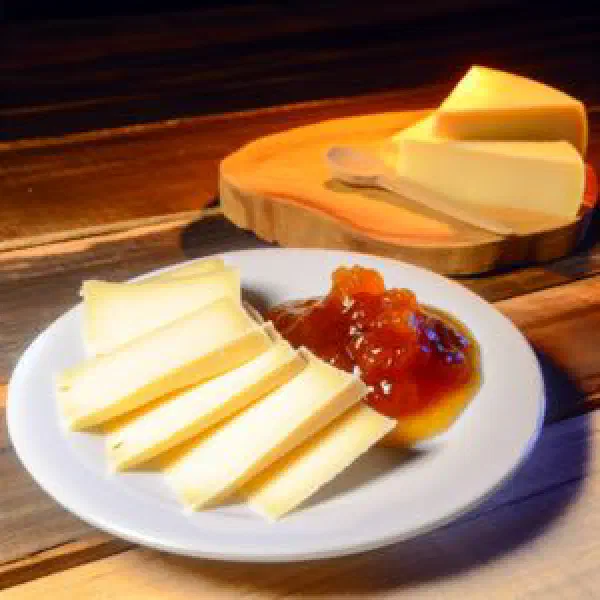
Queso y Dulce is a dish steeped in tradition from Argentina, celebrated above all for the harmony between salty cheese and sweet fruit preserve. The combination is served as a snack or a dessert and holds a special place in Argentinian culture. It typically calls for a fresh, creamy cheese such as queso cremoso, which sits beautifully alongside all manner of fruit pastes and jams. For many Argentinians, Queso y Dulce is far more than a recipe; it is a taste of home that conjures up memories of sociable gatherings around the table.
Ingredients (serves 1–2)
- 200 g fresh queso cremoso
- 100 g of your favourite fruit preserve (fig, quince or strawberry, for example)
- A handful of nuts (optional, for extra crunch)
- Fresh fruit, to decorate (optional)
Shopping for the ingredients
When shopping for Queso y Dulce it pays to pick fresh produce, since so few ingredients means each one has to earn its place. Look for a good-quality queso cremoso, ideally from a local dairy or a delicatessen. For the preserve, choose one that is not overly sweet and, better still, made from fresh fruit. Pick up a few nuts as well. They make a lovely crunchy counterpoint and give the plate a little more interest.
Preparing the dish
Preparation could hardly be simpler. Start by gathering your ingredients. Wash the fruit thoroughly if you intend to use it as decoration. Break the nuts into small pieces and set everything out where you plan to assemble the dish. This straightforward groundwork not only makes plating easy, it also leaves plenty of room for creativity in the presentation.
Step-by-step instructions
- Cut the cheese into thick slices or cubes and arrange them on a plate.
- Spoon the preserve generously over the cheese.
- Optional: scatter the nuts across the dish for extra crunch.
- Decorate with fresh fruit to bring out the colours.
Gluten-free / lactose-free version
Queso y Dulce lends itself perfectly to a gluten-free diet, since the two main ingredients are simply cheese and preserve. If you are lactose intolerant, use a lactose-free cheese, widely stocked in supermarkets these days. Just check that your chosen preserve contains no hidden sources of lactose. That way anyone with particular dietary needs can enjoy this delicious dish too.
Tips for vegans and vegetarians
Vegans can adapt Queso y Dulce easily by reaching for a plant-based cheese made from nuts or soya. There are plenty of alternatives on the market now that mimic that creamy texture convincingly. Take care to pick a vegan preserve as well, so no animal products sneak in. These small swaps make the dish accessible to everyone without losing any of its charm, much the same approach that works for a plate of Empanadas de Humita.
More tips and tricks
To get the most out of Queso y Dulce, experiment with different cheeses and preserves. Try a sharper cheese with a spicy chilli sauce, for instance, to create an intriguing contrast. A careful choice of nuts can lift the flavour too, walnuts or pistachios are excellent here. Play with different textures so the plate is as pleasing to look at as it is varied to eat.
Adapting the recipe to your taste
The simple structure of Queso y Dulce invites all sorts of adjustments. Vary the fruit preserve according to the season and your own preferences. You might also try more unusual pairings, such as cheese with a chocolate spread or a nutty date-based conserve.
Ingredient substitutions
If the cheese or preserve you had in mind is unavailable, alternatives abound. In place of queso cremoso, a lightly salted feta or a ricotta works well, the same soft cheese that carries a Tarta de Ricota. Instead of preserve, fresh berries mixed with honey or agave syrup make a healthy and delicious option, while dulce de membrillo, the classic quince paste, is the most traditional partner of all.
Drink pairing ideas
A few well-chosen drinks round off the Queso y Dulce experience. A glass of Malbec, Argentina’s most famous wine, sits beautifully with the cheese-and-preserve combination. For a soft option, freshly pressed grape juice or a little lime juice in sparkling water balances the sweetness of the conserve. A cup of Mate Cocido is the most authentic accompaniment of all for an afternoon serving.
Serving and presentation ideas
Presentation matters a great deal with a dish this pared back. Use a decorative platter or a wooden board to arrange the layers of cheese and preserve attractively. Fresh herbs or edible flowers add a welcome splash of colour and a touch of elegance. Make sure the textures and colours sit together harmoniously to create a visual highlight that whets the appetite, the same instinct that goes into building a generous Picada Criolla.
A bit of history
The pairing of cheese and preserve has its roots in colonial Argentinian cooking, which blended European traditions with local ingredients. Similar combinations crop up in many cultures, yet Queso y Dulce is particularly beloved in Argentina. This fusion of flavours speaks to the versatility of Argentinian cuisine and to the strong influence of European immigration. Today the dish is not only a household staple but a fixture at festivals and celebrations.
More recipe ideas
Summary: Queso y Dulce
Queso y Dulce is a delicious and wonderfully simple pairing of cheese and fruit preserve that suits just about any occasion. The versatility of the ingredients and the ease of adapting them give the dish endless room for variation. It is a treat for the palate and, with a little thought given to presentation, a feast for the eyes as well. Let Argentinian cooking tempt you and try this understated but unmistakable dish for yourself.