National Dish Argentina: Rosca de Pascua (Recipe)
In this article
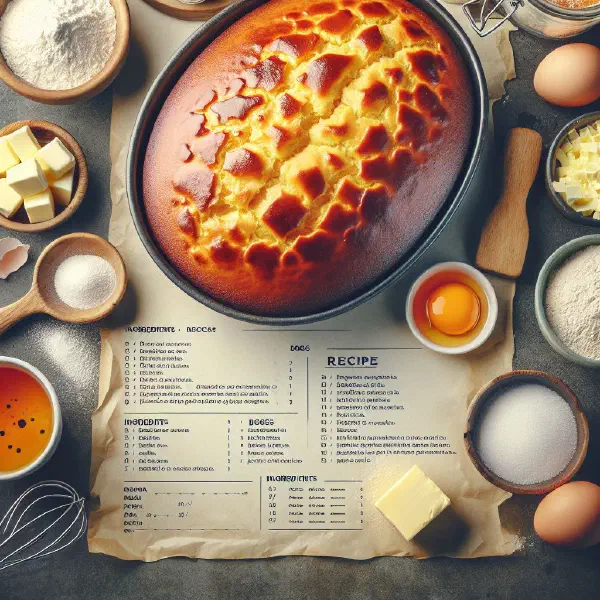
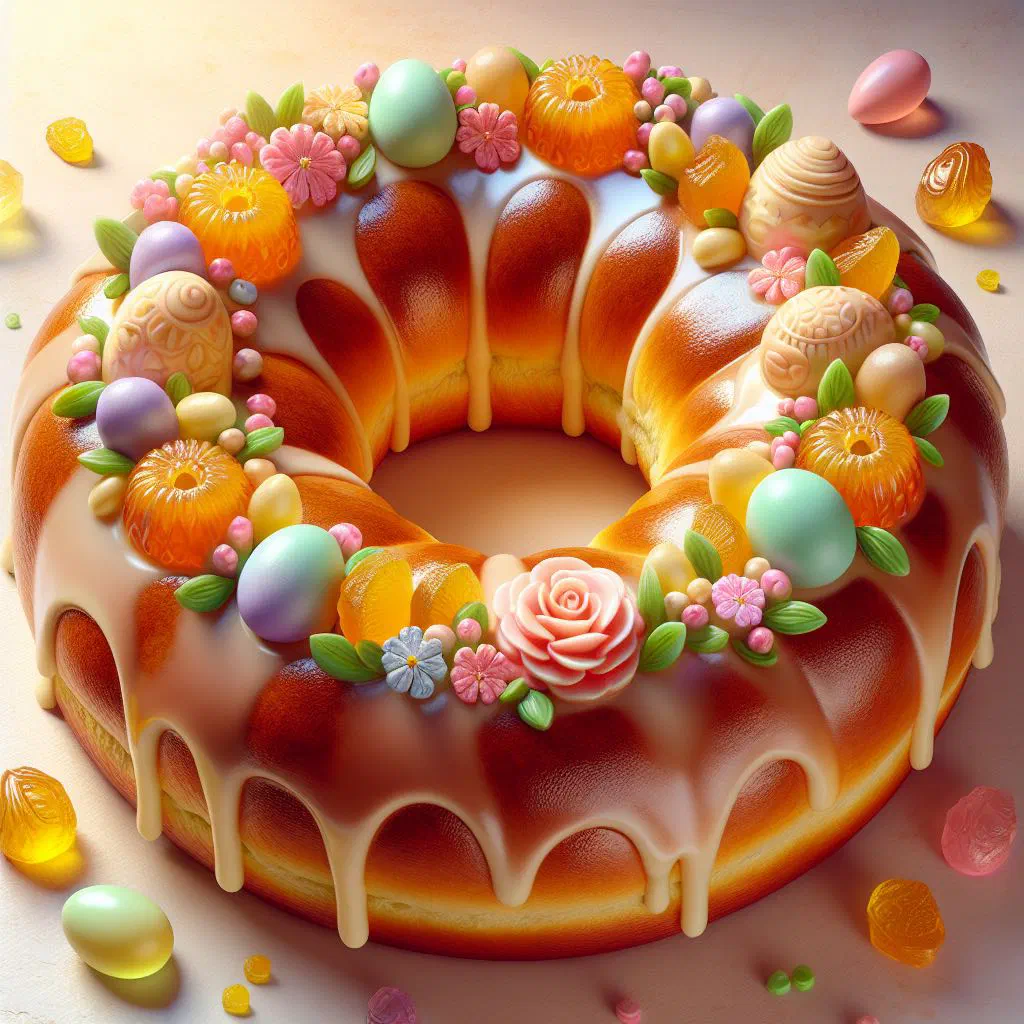
Few bakes say Easter in Argentina quite like the Rosca de Pascua, a golden, ring-shaped sweet bread crowned with sugar glaze and brightly coloured eggs. Light, gently sweet and made to be pulled apart at a crowded table, it is as much a symbol of togetherness as it is a treat. Here is everything you need to bake one at home, from the dough to the finishing flourishes.
About Rosca de Pascua
The Rosca de Pascua is a much-loved Easter bake from Argentina that wins people over with both its striking appearance and its distinctive flavour. It is traditionally decorated with colourful sugared eggs, symbols of life and joy. The bread has a wonderfully airy crumb and is made for sharing with family. In Argentina it is far more than something to eat: it is a fixture of the Easter celebrations and of the social gatherings that come with them.
Ingredients (serves 1–2)
- 500 g plain wheat flour
- 200 ml milk
- 100 g sugar
- 100 g butter
- 3 eggs
- 20 g fresh yeast
- 1 pinch of salt
- Food colouring and sugar glaze, to decorate
Shopping for the ingredients
To bake a really good Rosca de Pascua, it pays to choose the right ingredients. Head to a good supermarket or a specialist food shop for quality fresh yeast and butter. Make sure the milk is as fresh as possible, as it has a considerable influence on the flavour of the finished bread. Using organic ingredients can improve both aroma and texture and will give you an even better result.
Preparing the dish
Before you start, it is important to get all your ingredients properly prepared. Take the butter out of the fridge so it can come up to room temperature and blend in more easily. Make sure, too, that you have a suitable baking tin to hand so the rosca bakes evenly. A large, round tin with a hole in the middle is ideal for achieving the traditional shape.
Step-by-step instructions
- Warm the milk gently and dissolve the fresh yeast in it.
- In a large bowl, combine the flour with the sugar and the pinch of salt.
- Add the dissolved yeast, the butter and the eggs, and knead everything thoroughly.
- Leave the dough to prove in a warm place for about an hour, until it has doubled in size.
- Knead the dough again and transfer it to the prepared baking tin.
- Let it rest for another 30 minutes, then bake in a preheated oven at 180°C.
- Once baked, decorate the rosca with sugar glaze and colourful eggs.
Gluten-free / lactose-free version
To make the Rosca de Pascua without gluten or lactose, you can use one of the special gluten-free flour blends now stocked by many supermarkets. For a lactose-free version, simply reach for lactose-free milk and butter. These swaps may alter the texture and flavour slightly, but the pleasure of baking and eating the rosca remains entirely intact. Do keep an eye on the baking time, as gluten-free doughs often behave a little differently from conventional ones.
Tips for vegans and vegetarians
For a vegan Rosca de Pascua, replace the eggs with chia or flax seeds. Combined with water, these seeds provide much the same binding power as eggs. Use plant-based butter as well, along with milk alternatives such as almond or oat milk. Watch the consistency of the dough as you work to make sure it does not become too dry, since vegan ingredients often behave differently.
More tips and tricks
To refine the recipe, try adding lemon or orange zest for a fruitier note. A touch of vanilla can also deepen the aroma of the rosca. Filled versions with jam or chocolate are well worth considering too, much like the fruit-filled lattice of a Pastafrola.
Adapting the recipe to your taste
The Rosca de Pascua is very easy to tailor to personal preference. You might work toasted nuts or dried fruit into the dough for extra texture and flavour. The sugar glaze can be piped in different colours and patterns, which children in particular tend to love. An individual touch in the decoration makes every rosca unique and adds to the sense of occasion.
Ingredient substitutions
If you do not have every ingredient to hand, several can be swapped out. The butter, for instance, can be replaced with coconut oil to take the rosca in a vegan direction. The sugar is adaptable too: honey or agave syrup both make good sweeteners. Just adjust the quantity accordingly, as the level of sweetness varies.
Drink pairing ideas
Plenty of drinks work beautifully with Rosca de Pascua. A classic Argentinian mate, or a warm cup of Mate Cocido, harmonises perfectly with the sweetness of the bread. A fresh fruit juice or a light lemonade makes a refreshing companion as well. For the grown-ups, a glass of sparkling wine or a sweet dessert wine is a lovely addition that lifts the festive mood.
Serving and presentation ideas
Present the Rosca de Pascua on a handsome cake stand or a rustic wooden board for an inviting look. Dress the table with fresh flowers or brightly coloured napkins to create a celebratory feel, and small Easter bunny or egg figures add to the cheer. A generous spread rounds things out nicely, a bowl of Arroz con Leche alongside is never unwelcome. An appealing presentation does not just make the eating better; it appeals to your guests too.
A bit of history
The Rosca de Pascua has deep roots in Argentinian culture and is closely tied to the country’s Easter traditions. Its meaning originally lay in the round shape, which symbolises the eternal cycle of life. In many families the rosca is baked together, which is a celebration in itself and strengthens the bonds between them. Similar breads exist in other countries such as Spain, though recipes vary from region to region, and within Argentinian cuisine the rosca sits alongside festive bakes like the Christmas Pan Dulce.
More recipe ideas
Summary: Rosca de Pascua
The Rosca de Pascua is a delicious, traditional bake and a symbol of community and of celebrating Easter. Its airy texture and colourful decorations make it the highlight of any gathering. With the right ingredients and a little creativity, you can adapt the rosca entirely to your own taste. The Rosca de Pascua is sure to bring joy and plenty of good eating.