National Dish Armenia: Kebab (Recipe)
In this article
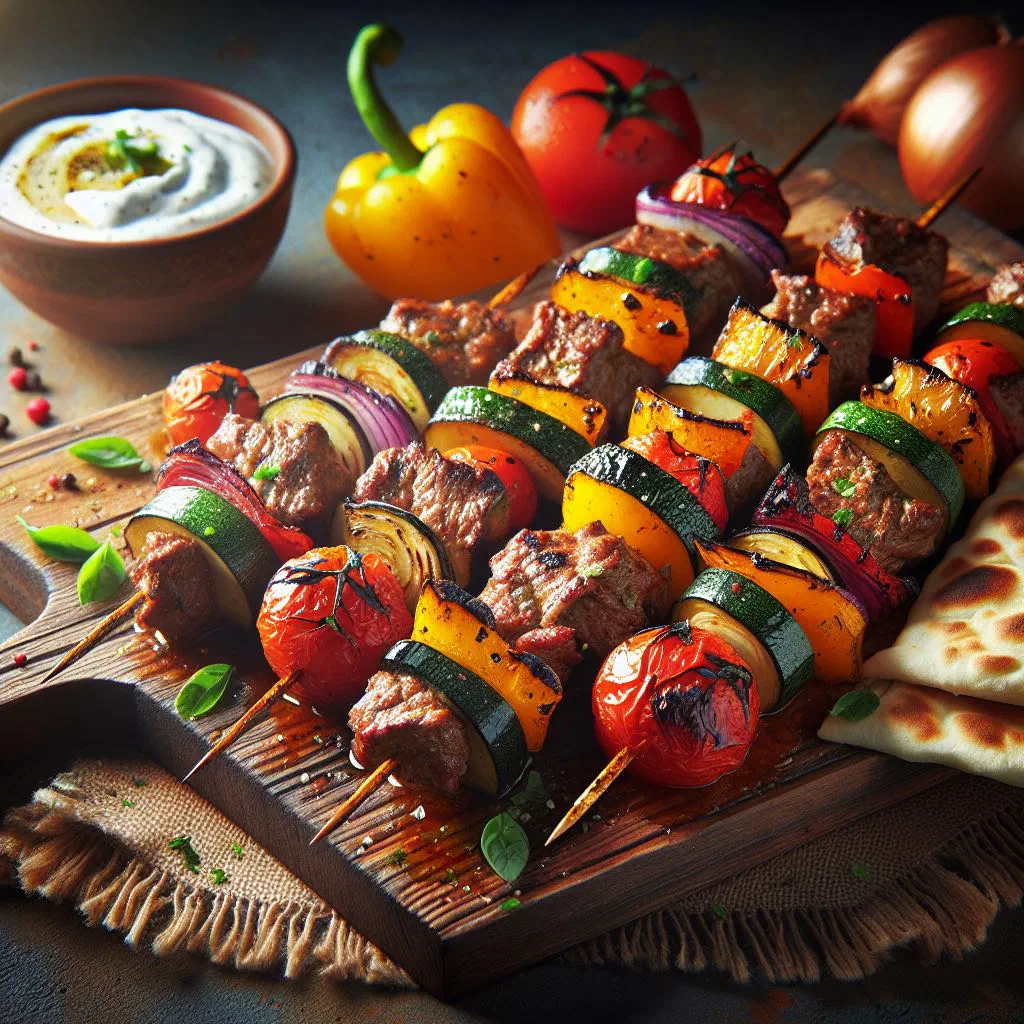
Discover Kebab, the smoky pride of the Armenian grill. Tender meat, warm spices and a generous handful of fresh herbs come together over glowing coals for a dish that tastes of celebration. It is simple food done properly, a few good ingredients, a hot fire and a little patience while the marinade does its work. Bring a taste of Armenian tradition to your own table.
About Kebab
Kebab holds a special place in Armenian cooking. It is a traditional dish built from juicy meat, aromatic spices and fresh herbs, and it is celebrated as much for its history as for its flavour. Versions of it are cooked across many cultures, each with its own accent, yet the principle stays the same: well-seasoned meat, cooked over fierce heat until the outside caramelises. Kebab quickly becomes the star of any meal.
Ingredients (serves 1–2)
- 500 g lamb or beef, coarsely minced
- 1 onion, finely chopped
- 2 garlic cloves, crushed
- 1 teaspoon paprika
- 1 teaspoon ground cumin
- 1/2 teaspoon salt
- 1/2 teaspoon pepper
- Fresh herbs (coriander or parsley)
- Olive oil for the marinade
- Skewers (metal, or wooden ones soaked in water)
Shopping for the ingredients
When shopping for kebab, the quality of the meat matters more than anything else. Fresh meat from a butcher you trust is what makes the finished skewers tender and full of flavour. The choice of spices is just as important, since they deepen the taste and give the dish its aromatic character. Fresh herbs are indispensable too. They bring a lively brightness that rounds the whole thing off, much as they do in a plate of Tabouleh.
Preparing the dish
For the preparation of kebab, the seasoning is everything. Combine the minced meat, onion, garlic and spices in a large bowl and mix thoroughly until evenly blended. Leave the mixture to marinate in the fridge for at least an hour so the flavours can work their way through the meat. If you are using wooden skewers, soak them in water beforehand. This stops them from burning on the grill.
Step-by-step instructions
- Take the marinated meat out of the fridge and mix it through once more.
- Divide the meat between the skewers, pressing it on firmly so it does not fall away during grilling.
- Preheat the grill or oven to a medium heat.
- Lay the skewers on the grill and cook for around 10–15 minutes, turning them regularly.
- Once the meat is golden and cooked right through, lift it off the grill and serve.
Gluten-free / lactose-free version
Kebab is naturally gluten-free and lactose-free, as long as you keep an eye on what goes into it. Most individual spices are gluten-free by nature. If you want to be certain that no gluten-containing ingredients sneak into the marinade, use fresh, single spices rather than ready-made blends. That way you can enjoy kebab without a second thought, even on a strict gluten-free diet.
Tips for vegans and vegetarians
There are plenty of ways for vegans and vegetarians to reinterpret the traditional kebab. In place of meat, thread on chunks of grilled vegetables such as courgette, peppers and aubergine. Tofu or seitan makes an excellent protein-rich alternative, taking on the same spices beautifully and grilling well on the skewer. The result loses none of the aroma, and it sits happily alongside a vegetable dish like Sandali.
More tips and tricks
A few small tricks will noticeably improve your kebab. Experiment with different marinades to give the meat more depth, and try herbs such as thyme or oregano for a change of character. Rubbing the grill bars with a little oil before cooking prevents the meat from sticking and makes turning the skewers far easier. Above all, resist the urge to move them too often, the crust needs time to form.
Adapting the recipe to your taste
Kebab is easy to adjust to personal preference. If you like heat, add a little chilli powder or some fresh chillies to the marinade. For a richer, rounder flavour, reach for smoked paprika instead of sweet. The sheer variability of the spices and the meat means you can shape the dish exactly to your own taste and eat it just the way you like it.
Ingredient substitutions
If you do not have every ingredient to hand, there are sensible alternatives to consider. Chicken or even firm fish works well in place of lamb or beef, and both make excellent kebabs in their own right. Garlic powder can stand in for fresh garlic, and dried herbs will do the job when fresh ones are unavailable, without the flavour suffering much. Minced-meat variations such as Kofta follow much the same logic.
Drink pairing ideas
Several drinks suit a good kebab and round off the meal nicely. A classic Armenian wine is an excellent choice and complements the spicing of the meat. A refreshing yoghurt drink is the traditional counterweight, cooling the palate between mouthfuls, and a herb-scented lemonade does much the same job. All of these harmonise well with the savoury, well-seasoned notes of the dish.
Serving and presentation ideas
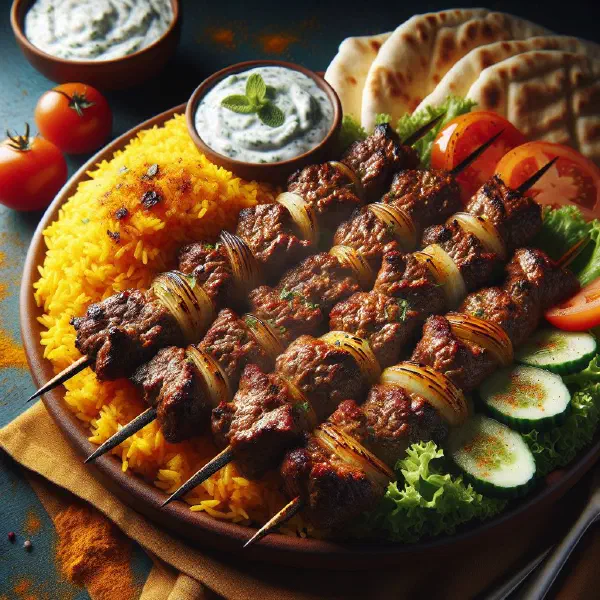
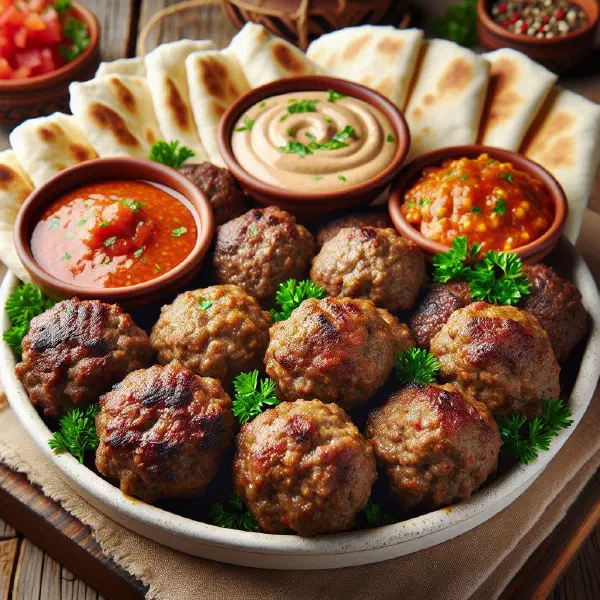
Presentation makes a real difference to how kebab is enjoyed. Serve the skewers on a large platter, garnished with fresh herbs and lemon wedges. Warm flatbread such as Lavash and a crisp salad are the natural accompaniments. Set out a few dips as well, hummus, or a yoghurt sauce, and you have the beginnings of a generous spread that suits any occasion.
A bit of history
Kebab has a long and fascinating history stretching back to antiquity. It began with nomadic peoples who grilled their meat over open fires, and over the centuries the dish spread and diversified across many cultures, each developing its own version. In Armenia it is far more than everyday fare: it belongs to festive occasions and family gatherings, and is one of the most recognisable dishes in Armenian cuisine.
More recipe ideas
Summary: Kebab
Kebab is a traditional Armenian dish that wins people over with its versatility and its wonderful flavour. Grilled over coals or finished in the oven, in countless variations and adaptations, there is a version of it for every palate. Give it a try, and bring a little of Armenia to your table.