National Dish Armenia: Khash (Recipe)
In this article
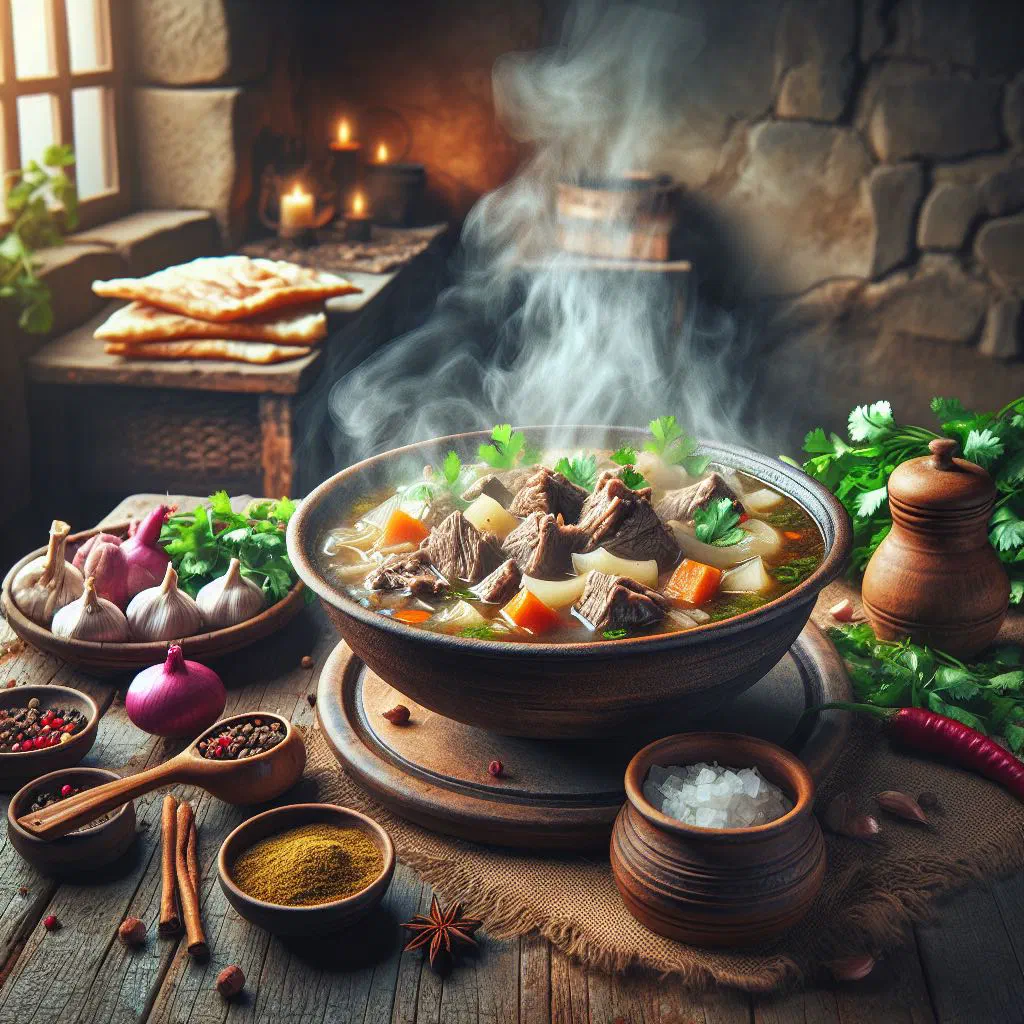
Discover Khash, the hearty winter soup that sits at the very heart of Armenian food culture. Made from beef and marrow bones simmered patiently for hours, it turns into a rich, gently gelatinous broth that warms you from the inside out. Traditionally it is eaten early in the morning, shared among friends and family around one big table, with plenty of garlic and fresh bread for dipping. Few dishes capture Armenian hospitality so completely.
About Khash
Khash is far more than a bowl of soup; it is a symbol of Armenian culture and a fixture of social gatherings. This traditional national dish is built from beef and bones, simmered slowly over many hours until they surrender every last bit of flavour. That long cooking time is what produces the rich, gelatinous texture that makes khash instantly recognisable. It is usually enjoyed in good company, which says a great deal about the importance of community in Armenian cuisine.
Ingredients (serves 1–2)
- 500 g beef on the bone
- 3–4 litres water
- 2–3 garlic cloves
- Salt to taste
- Fresh bread
- Parsley (optional)
- Black pepper (optional)
Shopping for the ingredients
For the most authentic result it pays to buy the freshest ingredients you can find. Head to a market or a local butcher for good-quality beef, and ask specifically for cuts on the bone. Make sure the meat is well trimmed and that the bones are rich in marrow, since this is what gives the broth its depth and body. Do not forget fresh garlic and a few herbs to give your khash its finishing touch.
Preparing the dish
Preparation for khash begins with cleaning the pieces of beef and the bones thoroughly. Trim away any excess fat and cut the meat into large chunks. Then set out everything you will need for the long simmer: water, salt and garlic. Good preparation keeps the cooking process straightforward and lets you enjoy the full aroma of the dish without fuss.
Step-by-step instructions
- Place the beef and the bones in a large pot.
- Add 3–4 litres of water and bring to the boil.
- Lower the heat and let everything simmer gently for at least 4–6 hours.
- Skim off the foam that rises to the surface at regular intervals.
- Shortly before the end of the cooking time, add the crushed garlic cloves and salt.
- Serve the soup piping hot with fresh bread for dipping.
Gluten-free / lactose-free version
Khash is naturally gluten-free and lactose-free, since it consists of little more than meat and water. Do check, however, that the bread you serve alongside is gluten-free if you are avoiding gluten, a soft flatbread such as Lavash is traditional, but gluten-free alternatives work just as well for dipping. With the right bread on the table, khash can be enjoyed by almost everyone.
Tips for vegans and vegetarians
Although khash is traditionally a meat dish, there are ways to adapt it for a vegan or vegetarian table. Use a well-made vegetable stock as the base and add a generous variety of vegetables for flavour and texture. Mushrooms are a particularly good choice, lending a satisfying, almost meaty mouthfeel. Be generous with spices and herbs to build up the depth the bones would otherwise provide.
More tips and tricks
To deepen the flavour of khash, consider adding spices such as bay leaves or peppercorns during the long simmer. Experiment with different herbs to tune the dish to your own palate. It also helps to make khash a day ahead, as the flavours settle and develop overnight. Leftovers keep beautifully and often taste even better the following day.
Adapting the recipe to your taste
Khash is a forgiving dish that adapts easily to personal preference. Stir in parsley or other fresh herbs to give the bowl a character of its own. You can also turn up the heat with chilli powder or fresh chillies if you like a bit of fire. Adjust the seasoning as you go to create a khash that is unmistakably yours.
Ingredient substitutions
If beef is not what you are after, consider chicken or veal instead. Both give khash a different but equally delicious profile, much as the lamb in a slow-simmered Khashlama changes the character of that dish. Using vegetable stock with extra vegetables also makes for a flavourful and nourishing bowl. Whatever you choose, make sure the substitutions sit well together so the dish keeps its integrity.
Drink pairing ideas
Several drinks complement the hearty character of khash. A robust red wine stands up nicely to the rich flavours, while a lighter white brings a fresher note to the table. For anyone avoiding alcohol, a homemade herbal tea makes a wonderful accompaniment. Water with fresh citrus is another refreshing choice that sits comfortably alongside the soup.
Serving and presentation ideas
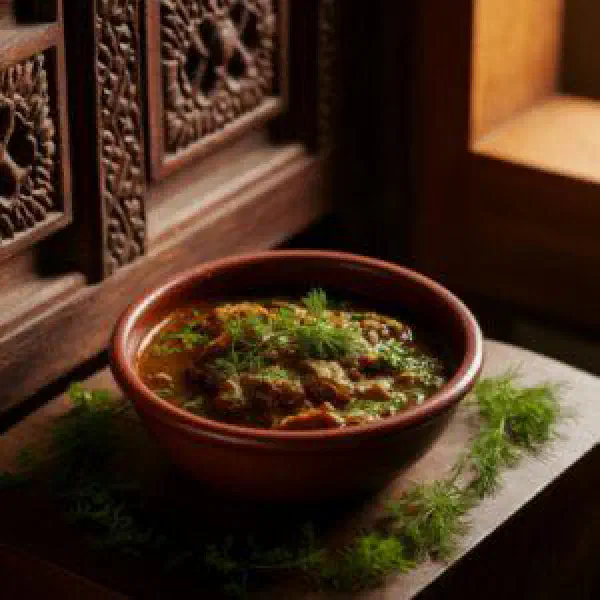
Presentation plays a real part in the khash experience. Serve it in handsome, traditional bowls and garnish with fresh parsley or spring onions. A basket of fresh bread beside the pot, perhaps a soft Matnakash, makes for an inviting spread. Simple, rustic tableware underlines the dish’s country roots and creates a warm, homely feel.
A bit of history
Khash has a long history and is often described simply as “Armenian soup”. It began as a dish of farmers and shepherds, prepared for special occasions when a whole animal was used and nothing went to waste. It is closely associated with winter, being both warming and deeply nourishing. The tradition of serving khash on feast days and at celebrations has kept it alive as a symbol of hospitality and community to this day.
More recipe ideas
Summary: Khash
In short, khash is not merely a filling soup but a deeply rooted piece of Armenian culture. With its rich combination of beef and bones simmered for hours on end, the dish brings together warmth, flavour and fellowship in a single bowl. It is a recipe that rewards patience in the making and generosity in the serving. Enjoy khash and discover a piece of Armenian hospitality that comes alive on the table.