National Dish Armenia: Lavas Flatbread (Recipe)
In this article
Discover Lavas, the soft, paper-thin flatbread that sits at the very heart of the Armenian table. Tender, faintly chewy and quietly savoury, it turns up beside grilled meats, fresh vegetables and mezze of every kind, and just as often it is torn straight from the stack and eaten on its own. Few breads say more about a country’s hospitality, and few are easier to bake at home once you know the rhythm of the dough.
About Lavas
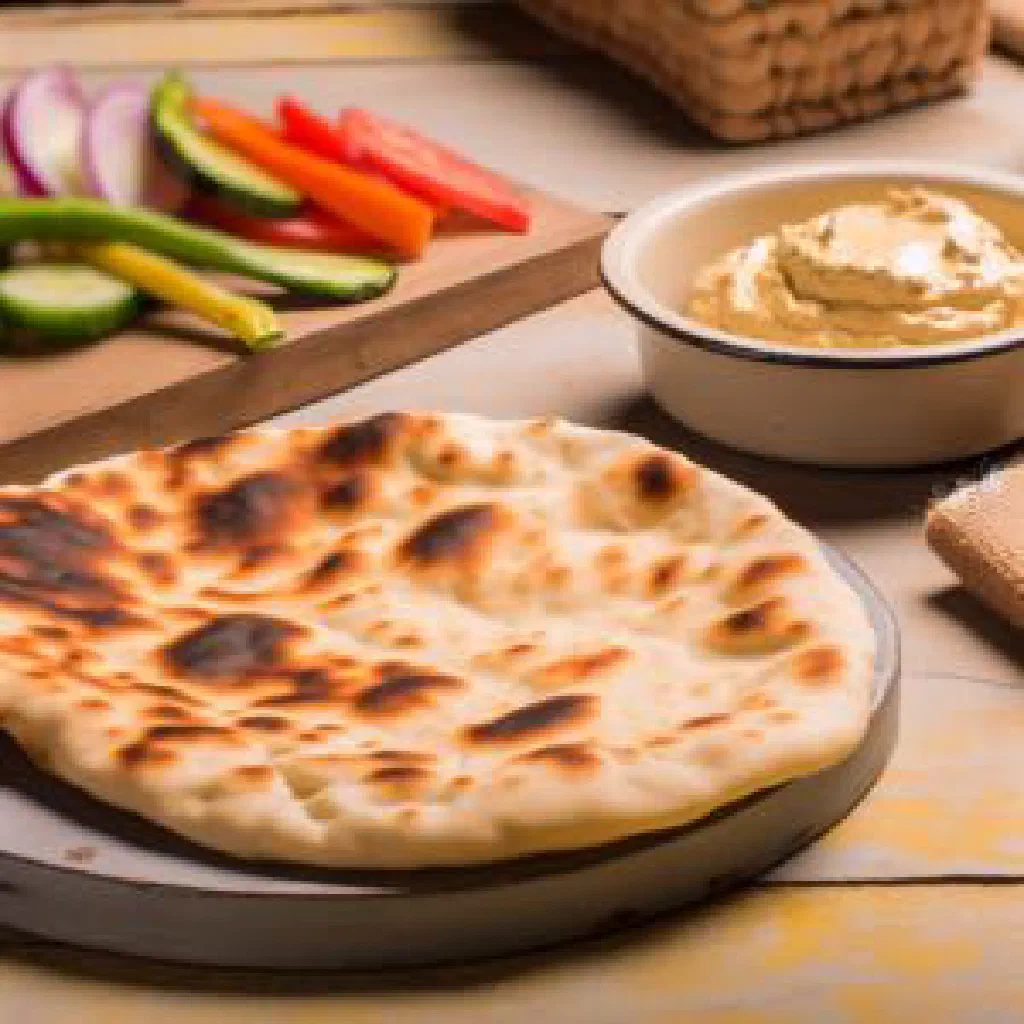
The traditional Armenian flatbread known as Lavas is one of the great highlights of the country’s cooking. It is not merely a staple but a symbol of Armenian hospitality, offered to every guest who crosses the threshold. Its tender texture and unmistakable savoury flavour make it the perfect companion to a huge range of dishes. Whether alongside grilled meat, crisp raw vegetables or simply as a snack, Lavas is a fixed part of every Armenian meal.
Ingredients (serves 1–2)
- 250 g plain wheat flour
- 150 ml warm water
- 1 tsp salt
- 1 tsp dried yeast
- 1 tsp sugar
- 2 tbsp olive oil
Shopping for the ingredients
The ingredients for Lavas are easy to find in any food shop. Do take care to buy good-quality wheat flour, as it has a considerable influence on both the flavour and the texture of the finished bread. The dried yeast should be fresh so that fermentation gets going properly. With the right ingredients in your basket, you have already taken the first step towards a delicious Lavas.
Preparing the dish
Before you begin, it pays to have everything ready. Measure the flour and the water accurately so the dough reaches the right consistency. Mix the dried yeast with the sugar and a little warm water, then let the mixture stand for a few minutes until it turns foamy. This tells you the yeast is active and that the dough will rise beautifully.
Step-by-step instructions
- Combine the flour and the salt in a mixing bowl.
- Add the foamy yeast mixture along with the olive oil.
- Pour in the warm water a little at a time and begin working the dough.
- Knead for about 10 minutes, until smooth and elastic.
- Cover the dough and leave it in a warm place for 1 hour, until doubled in size.
- Once risen, divide the dough into portion-sized pieces.
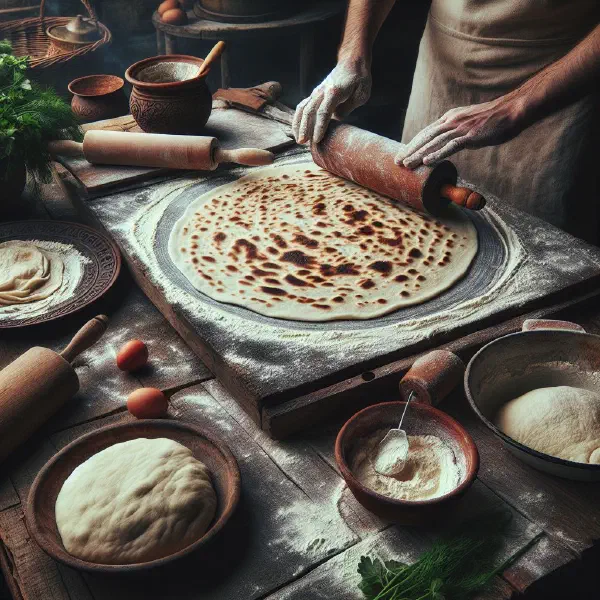
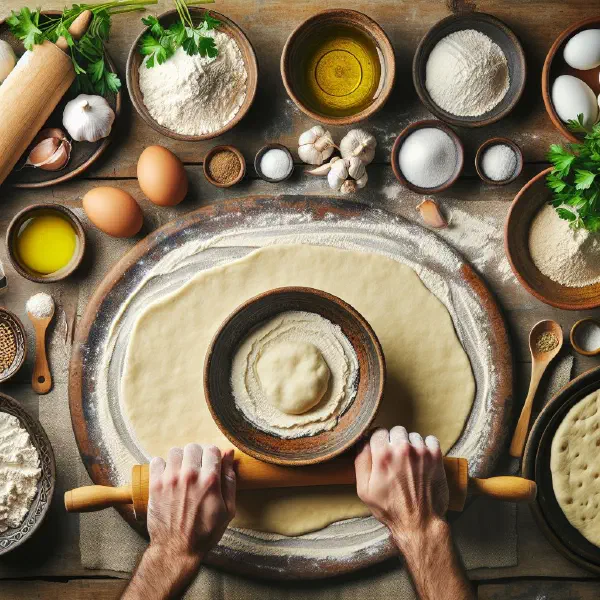
- Roll each piece out very thinly and lay it on a baking tray.
- Bake in a preheated oven at 220°C for roughly 5–7 minutes.
Gluten-free / lactose-free version
To make Lavas gluten-free, use a blend of gluten-free flours such as cornflour or rice flour. Watch the consistency closely, as gluten-free flour behaves quite differently and often needs a touch more liquid. A lactose-free version calls for no changes at all, the recipe contains no dairy whatsoever. That means you can enjoy exactly the same bread without having to work around either intolerance.
Tips for vegans and vegetarians
Lavas is already ideal for vegans and vegetarians, since it contains no animal products of any kind. Serve it with plant-based fillings such as chopped vegetables or hummus, or alongside a herb-packed bread like Jengyalov Hats. Experiment with different herbs and spices worked into the dough to give the bread extra character. Torn into pieces, it also makes an excellent scoop for salads and dips.
More tips and tricks
For the best result, give the dough plenty of time to rise. This is what gives Lavas its characteristic lightness and texture. Preheating the oven thoroughly is equally important, as the bread needs fierce heat to bake evenly in just a few minutes. If you prefer a crisper bread, extend the baking time slightly. And wrap the finished flatbreads in a clean tea towel straight from the oven to keep them warm and pliable.
Adapting the recipe to your taste
Lavas is easy to tailor to your own preferences. Work herbs such as oregano or thyme into the dough for a more aromatic loaf, or scatter sesame and nigella seeds over the top before baking. The shape can vary too, from round discs to long oval sheets. Be creative with how you present it and try different accompaniments, a spiced Adzhika relish is a particularly good match.
Ingredient substitutions
If you have no dried yeast to hand, fresh yeast works just as well; as a rule you will need roughly twice the quantity. Any neutral vegetable oil can stand in for the olive oil, depending on the flavour you want. And if wheat does not agree with you, try making Lavas with chickpea flour or even oat flour. These alternatives lend the bread an interesting note and make the whole thing something of a pleasurable experiment.
Drink pairing ideas
Lavas goes with a remarkably wide range of drinks. It is traditionally served with Armenian wine, which complements the bread’s gentle savouriness perfectly. Yoghurt drinks such as tan or ayran are another refreshing choice and sit beautifully alongside anything the bread accompanies. For something lighter, herbal teas or a simple homemade lemonade with a fresh salad round out the meal nicely.
Serving and presentation ideas
How you present Lavas makes a real difference to the meal. Serve the bread on a rustic wooden board to create an inviting spread. Set out a range of dips and small dishes so every guest can help themselves as they please. Colourful vegetable salads or a bowl of marinated olives add welcome colour and variety to the table, and a platter of Basturma turns the whole thing into a proper feast.
A bit of history
Lavas has a long and fascinating history in Armenian culture. Its preparation is thought to reach back into antiquity, and traditionally it is baked against the walls of a tonir, a clay oven sunk into the ground. That fierce, dry heat is what gives the bread its characteristic flavour and texture. To this day Lavas remains a symbol of Armenian identity and a fixture of Armenian cuisine, served at gatherings, weddings and celebrations of every kind.
More recipe ideas
Summary: Lavas
In short, Lavas is an indispensable part of Armenian cooking, winning people over with its lovely flavour and its sheer versatility. It finds its way onto the table in countless forms. With a handful of simple ingredients and a little practice you can bake this traditional flatbread yourself and bring a piece of Armenian culture into your own home. Let its aroma and its history inspire you, and enjoy every bite.