National Dish Armenia: Lavash (Recipe)
In this article
Discover Lavash, the paper-thin flatbread that sits at the very heart of the Armenian table. Made from nothing more than flour, water and salt, it is proof that the simplest ingredients often make the finest bread. Traditionally slapped against the searing wall of a clay oven, it comes out blistered, soft and faintly smoky, the perfect wrapper for grilled meats, herbs and cheese. Easy to make at home, it turns any meal into a celebration.
About Lavash
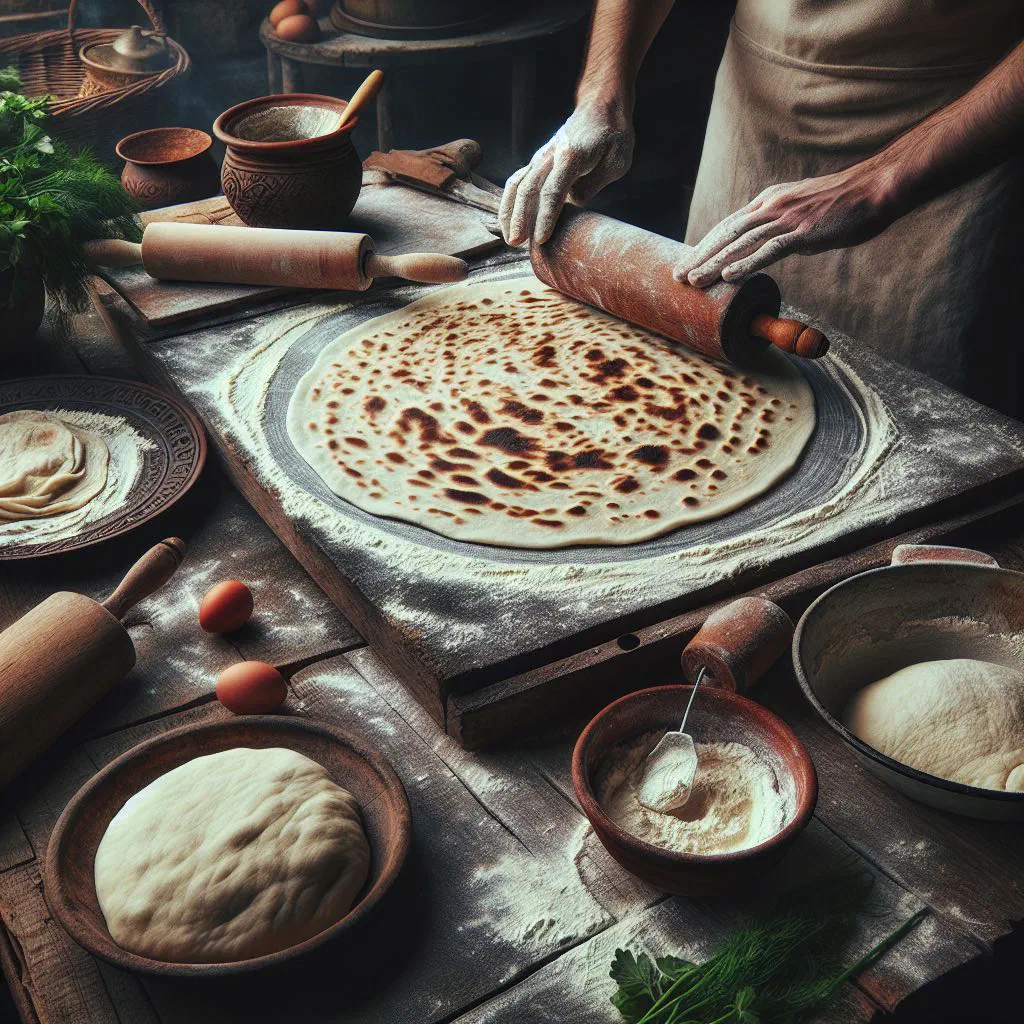
Lavash is a traditional Armenian flatbread enjoyed not only in Armenia but right across the Caucasus. This thin, pliable bread is made from the simplest of ingredients, flour, water and salt, with nothing to hide behind. What makes it special is the baking: the dough is pressed against the wall of a tandoor, a traditional clay oven, which gives lavash its unmistakable flavour and its characteristic blistered surface. It is far more than a staple food; it is a symbol of Armenian culture and hospitality, and UNESCO has recognised its preparation as intangible cultural heritage.
Ingredients (serves 1–2)
- 250 g plain flour
- 150 ml water
- 1 teaspoon salt
- Optional: 1 teaspoon olive oil
Shopping for the ingredients
With so few ingredients in play, quality matters. Choose a good flour, since it forms the entire backbone of the bread, plain wheat flour is the classic choice, though spelt flour works beautifully and lends a nuttier character. The water should be fresh and clean, as it carries the flavour just as much as the flour does. If you like, a spoonful of olive oil added to the dough gives the bread a softer crumb and a gentle richness. Everything you need is available in any ordinary supermarket.
Preparing the dish
Getting ready to bake lavash is refreshingly straightforward. Lay out all your ingredients first and clear a generous, clean work surface. You will need room to roll the dough out very thin. Sift the flour well to break up any lumps, which helps the bread stay light and supple rather than dense. Then stir the water and the salt together in a bowl until the salt has fully dissolved, so it is evenly distributed before the flour goes in.
Step-by-step instructions
- Tip the flour into a large bowl and make a well in the centre.
- Pour the water and salt into the well, along with the olive oil if using.
- Mix everything together with a fork until a rough dough forms.
- Knead the dough on a floured surface for about 10 minutes, until soft and smooth.
- Cover the bowl and leave the dough to rest for at least 30 minutes.
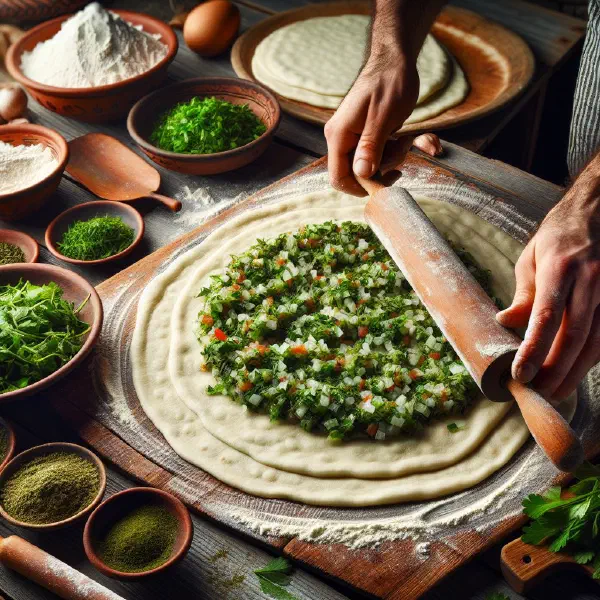
- Divide the dough into small portions and roll each one out as thinly as you can.
- Bake the lavash in a tandoor or a hot dry pan until golden brown and lightly blistered.
- Serve the freshly baked flatbreads warm.
Gluten-free / lactose-free version
For a gluten-free lavash, swap the wheat flour for a good gluten-free flour blend, ideally one containing a binder such as psyllium husk so the dough stays pliable enough to roll thin. Check that all your other ingredients are certified gluten-free too, and keep your work surface separate to avoid cross-contamination. A lactose-free version needs no adjustment at all: the traditional recipe contains no dairy whatsoever. These small tweaks mean everyone can enjoy the taste of freshly baked lavash.
Tips for vegans and vegetarians
Lavash is naturally vegan, since it consists of nothing but flour, water and salt. That makes it an ideal companion to all sorts of plant-based dishes, pile it with pickled vegetables, hummus or a crisp salad such as Tabouleh. Just take care that no animal products creep in through the fillings or accompaniments you choose. Lavash pairs wonderfully with vegetable spreads and dips, including the smoky aubergine dip Kyopolou, making it a natural fit for any vegan or vegetarian meal.
More tips and tricks
To get the very best from your lavash, keep the baked breads wrapped in a clean tea towel so they stay warm and soft. If a sheet has dried out, spritz it lightly with water and warm it briefly in a hot pan to bring it back to life. It is also well worth experimenting with spices or dried herbs worked into the dough for extra flavour. A scattering of sesame seeds, or a brush of sesame oil, adds a lovely nutty note.
Adapting the recipe to your taste
Lavash is endlessly adaptable. Roll it wafer-thin and bake it a little longer for crisp, cracker-like sheets, or keep it slightly thicker and shorter in the oven for a soft, foldable wrap. Wholemeal flour gives a heartier, more rustic result, while a pinch of nigella seeds or dried thyme in the dough nods towards neighbouring baking traditions. You can also brush the finished bread with a little melted butter or oil for a richer finish.
Ingredient substitutions
If you do not have plain wheat flour to hand, spelt or a light wholemeal flour will both do the job well, though they may need a splash more water. Olive oil can be replaced with any neutral oil, or left out altogether without harming the result. Fine sea salt can stand in for table salt, and if you enjoy a slightly puffier bread, a small pinch of baking powder works, though the classic unleavened version is the one served alongside dishes like Khorovats.
Drink pairing ideas
Lavash is a bread for sharing, so choose drinks in the same spirit. A glass of tan, the salted yoghurt drink beloved across the Caucasus, is the classic match, cutting cleanly through the warm dough. Herbal mountain tea works beautifully at breakfast, while a dry Armenian white wine suits an evening spread of cheese and herbs. For something without alcohol, chilled pomegranate juice adds a bright, tart contrast.
Serving and presentation ideas
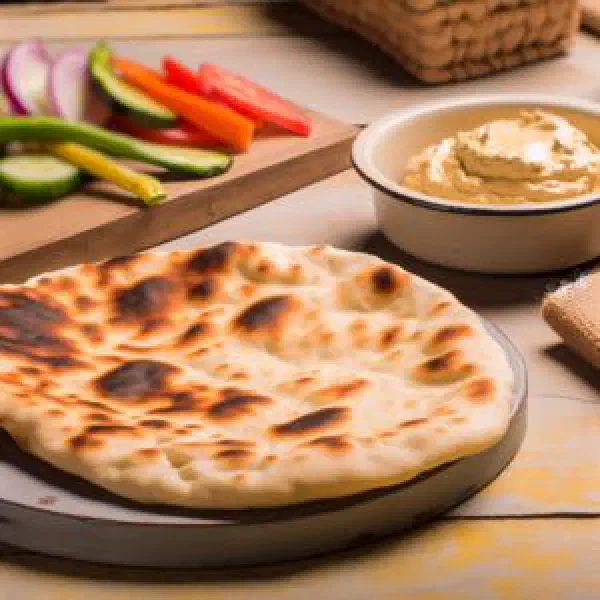
Lavash looks its best served the way it is eaten at home: stacked warm in a woven basket or draped loosely over a wooden board. Surround it with small bowls of soft white cheese, fresh tarragon, basil and spring onions so guests can build their own rolls. It also makes a handsome base for a shared platter alongside grilled meats or a bowl of Khash. Torn rather than cut, it invites everyone to help themselves.
A bit of history
Lavash has been baked in Armenia for many centuries and is woven deep into the country’s rituals and folklore. It appears at weddings, where sheets are laid over the couple’s shoulders to wish them prosperity. Traditionally, women baked it together in large batches, drying and storing the sheets for months and reviving them with a sprinkle of water. In 2014 UNESCO added the preparation and sharing of lavash to its list of intangible cultural heritage, cementing its place at the centre of Armenian cuisine.
More recipe ideas
Summary: Lavash
In short, lavash is an indispensable part of Armenian cooking, as simple to make as it is delicious to eat. With just a handful of basic ingredients and a traditional baking method, you can create a wonderfully crisp and warm flatbread that suits an enormous range of dishes. Straight from the pan, or use it to scoop up something hearty, lavash is a genuine pleasure. Dive into its history and culture, and discover just how much this humble bread has to offer.