National Dish Armenia: Mante (Recipe)
In this article
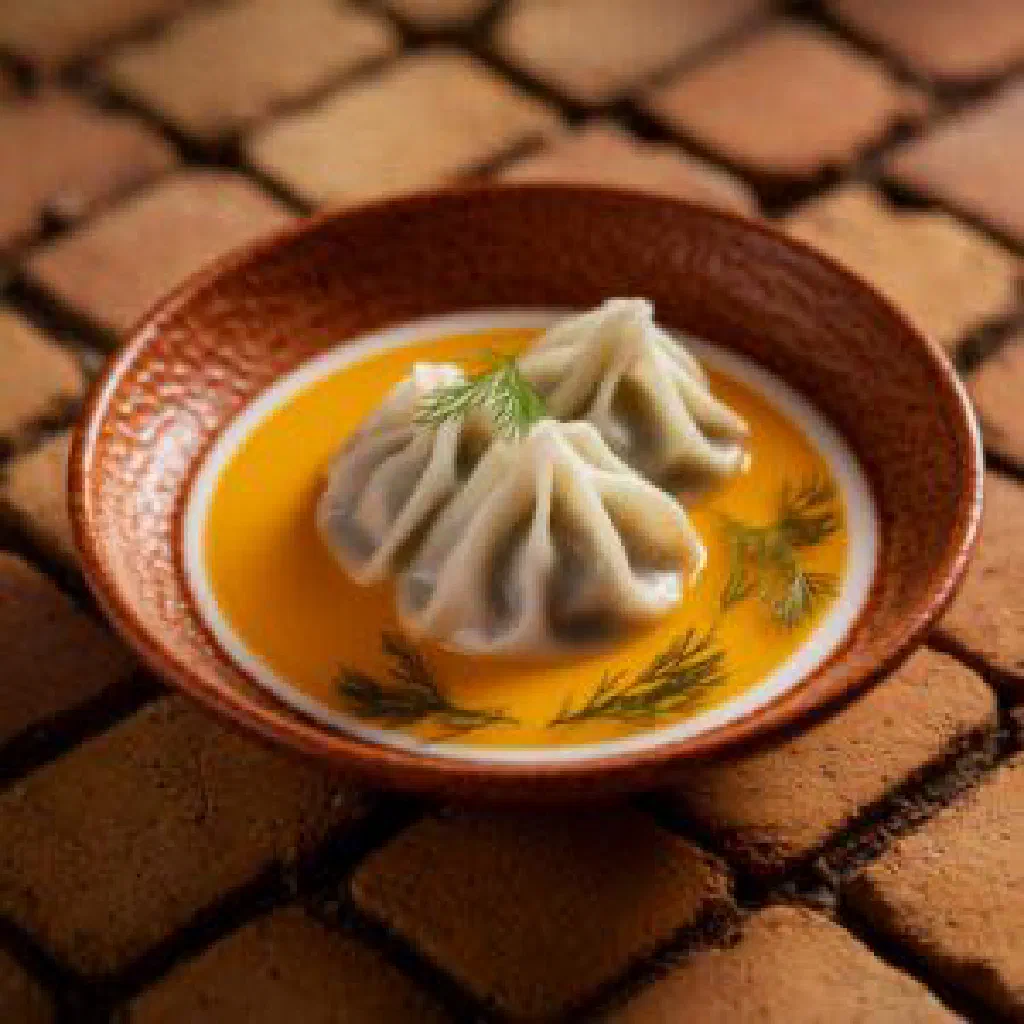
Meet Mante, the small filled dumplings that Armenian cooks have been folding by hand for generations. A tender, egg-rich dough wraps a savoury mixture of beef mince, onion and warm spices, and the whole thing arrives at the table under a cool spoonful of yoghurt and a bright, spicy sauce. It is a dish that tastes of family kitchens and long afternoons, yet it is far easier to make at home than its delicate looks suggest.
About Mante
Mante are filled dumplings that appear on tables all across Armenia, and they are as much a piece of the country’s culture as they are a meal. The dough is soft and pliable, rolled thin and cut into neat little squares, while the filling brings together minced beef, onion and a handful of fragrant spices. Traditionally they are served with a refreshing yoghurt sauce and a punchy salsa, two accompaniments that balance the richness of the meat beautifully. Every family seems to have its own way of folding them, and no two batches ever look quite the same.
Ingredients (serves 1–2)
- 250g plain flour
- 1 egg
- 1 teaspoon salt
- 150ml water
- 300g minced beef
- 1 onion, finely chopped
- 1 teaspoon paprika
- 1 teaspoon ground cumin
- Yoghurt, to serve
- Spicy sauce of your choice
Shopping for the ingredients
Mante calls for fresh ingredients, nearly all of which you will find in any well-stocked supermarket or at a weekly market. Pay particular attention to the quality of the meat, since it carries most of the flavour in the finished dumplings. The spices matter too, cumin and paprika lose their punch quickly once they have been sitting in a cupboard for a year, so buy them in small quantities. International or Middle Eastern grocers are a reliable source if you want the freshest possible spices.
Preparing the dish
Before you begin, set out all your ingredients on the worktop. It makes the whole process run far more smoothly and means nothing gets forgotten halfway through. Make the dough first so it has time to rest and relax, which is what makes it easy to roll out thinly later. While the dough rests, mix the filling and soften the onions gently in a pan so they lose their raw edge and develop a little sweetness.
Step-by-step instructions
- Combine the flour, egg, salt and water in a bowl and knead to a smooth dough.
- Wrap the dough in cling film and leave it to rest for 30 minutes.
- Meanwhile, mix the minced beef thoroughly with the onion, paprika and cumin.
- Roll the dough out thinly and cut it into small squares.
- Place a teaspoon of filling on each square and fold it closed.
- Cook the mante in boiling salted water for 10–15 minutes.
- Serve with yoghurt and the spicy sauce, and enjoy.
Gluten-free / lactose-free version
For a gluten-free version of mante, simply swap the wheat flour for a good gluten-free blend. A mixture of maize and rice flour also produces a workable, tasty dough, though it needs a slightly gentler hand when rolling. To keep the dish lactose-free, replace the yoghurt with a lactose-free or plant-based alternative. With those two small changes, anyone with dietary restrictions can still enjoy this Armenian classic.
Tips for vegans and vegetarians
For a vegan filling, replace the meat with diced vegetables, lentils or a plant-based mince. Spices such as cinnamon or a pinch of clove add welcome depth and stop the filling tasting flat. Coconut or almond yoghurt makes an excellent stand-in for the dairy version and keeps that essential cooling contrast. Lentil-based fillings are a well-established part of the Armenian repertoire, the same thinking behind Vospov Kofte.
More tips and tricks
To keep the filling in your mante especially juicy, stir a spoonful of vegetable stock into the meat mixture before you start folding. Resist the temptation to overfill the squares, since packed dumplings tend to burst open in the water. Folding takes a little practice, so be patient with the first few and expect them to improve as you go. Once you have the knack, feel free to vary the shape however you like.
Adapting the recipe to your taste
The recipe for Mante adapts readily to personal preference. Try chicken or lamb in place of beef for a noticeably different character, or use a mixture of the two. The spicing is equally open to adjustment, dial up the heat, or lean into something fruitier and milder if that suits you better. There is no single correct version, which is precisely what makes the dish so enduring.
Ingredient substitutions
If you find yourself missing a particular spice, a close relative will usually do the job. Cumin can be replaced with coriander seed or a Mediterranean herb blend without unbalancing the filling. Soft wheat flour can give way to spelt flour, which lends the dough a pleasantly nutty note. Substitutions like these often enrich rather than diminish the flavour profile of mante.
Drink pairing ideas
A good plate of mante goes beautifully with a freshly made ayran or another yoghurt drink, which tempers the spice of the filling. If you would rather have wine, a dry white harmonises particularly well with the meat and yoghurt combination. A light rosé or an aromatic beer are both fine alternatives. As always, choose the drink to match the intensity of the food rather than to compete with it.
Serving and presentation ideas
Presentation makes a real difference here. Serve the mante warm on an attractive plate and scatter over fresh herbs such as parsley or mint. A generous spoonful of yoghurt on top and the spicy sauce alongside creates an appealing contrast in both colour and temperature. Add a basket of warm Lavash and you have the makings of a proper Armenian dinner.
A bit of history
Mante has a long history in Armenia and has traditionally been prepared for feasts and celebrations. The dish has evolved across generations and still plays an important role in many Armenian households. Making it is often a communal activity, with several family members gathering round the table to shape the dumplings together, cooking as a social occasion rather than a chore. The dumpling tradition reaches far beyond Armenia’s borders, with clear echoes in Persian, Turkish and Russian cooking, and a close relative in the larger Manti. It sits comfortably among the great classics of Armenian cuisine.
More recipe ideas
Summary: Mante
In short, Mante is a delicious and remarkably versatile dish that deserves a place in your kitchen. Its combination of delicate dough, savoury filling and cooling sauces brings a piece of Armenian culture straight to your plate. Folding the dumplings is an experience in itself. Give in to Armenian hospitality and try them for yourself. They are well worth the effort.