National Dish Armenia: Matnakash (Recipe)
In this article
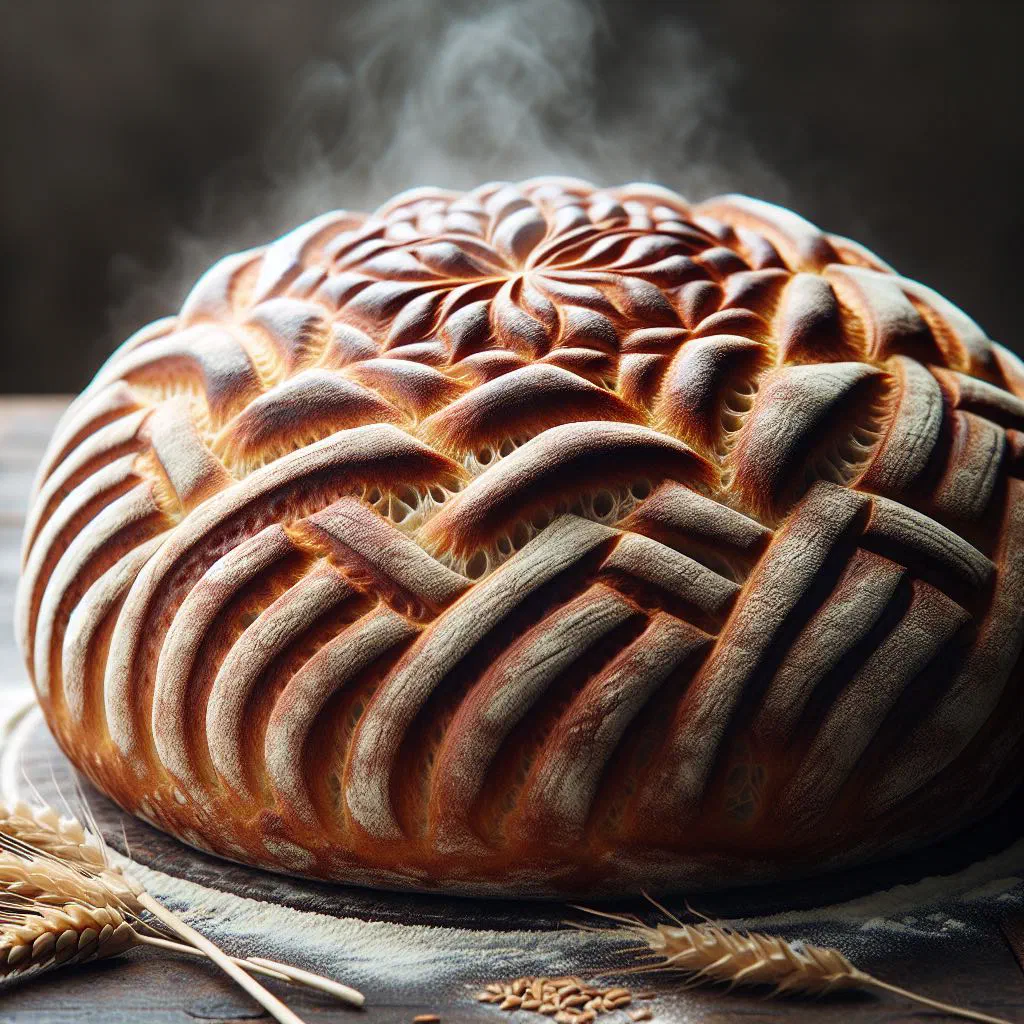
Meet Matnakash, the airy, golden-crusted bread that Armenians reach for at almost every meal. Made from little more than flour, water, yeast and salt, it rewards patience rather than expensive shopping lists: a slow rise, a hot oven and the traditional finger-drawn ridges that give the loaf its name. Tear off a piece while it is still warm, add a knob of butter, and you have one of the simplest pleasures in Armenian cuisine.
About Matnakash
Traditional Armenian Matnakash is far more than a plain flatbread; it is a symbol of Armenian culture and hospitality. The loaf is prized for its airy texture and its gentle, faintly nutty flavour. Families bake it for special occasions, yet it is equally a fixture of everyday eating across the country. Many people love it best straight from the oven, torn by hand and served alongside hearty dishes, or simply on its own with a little butter.
Ingredients (serves 1–2)
- 500 g plain flour
- 300 ml water
- 10 g dried yeast
- 10 g salt
- 1 tablespoon sugar
- 2 tablespoons oil
Shopping for the ingredients
Getting matnakash right starts with choosing the right ingredients. Head to your local supermarket or a good delicatessen for fresh wheat flour, which forms the backbone of the loaf. Use good-quality dried yeast, as it is decisive for proper dough development. Salt and sugar matter too: they bring out the flavour of the bread and give the yeast the boost it needs to get going.
Preparing the dish
Before you start, weigh out and lay out everything you need. In a large bowl, combine the flour with the salt and the sugar. In a separate bowl, dissolve the dried yeast in warm water and leave it for a few minutes to activate. If you are using oil, have it ready to work into the dough later. Good preparation really is the key to a successful matnakash, much as it is with the paper-thin Lavash that Armenian bakers turn out alongside it.
Step-by-step instructions
- Dissolve the yeast in warm water and leave it to rest for a few minutes.
- Tip the flour into a bowl and stir in the salt and sugar.
- Add the activated yeast and the oil to the flour and knead thoroughly.
- Leave the dough to rest in a warm place for 1–2 hours, until well risen.
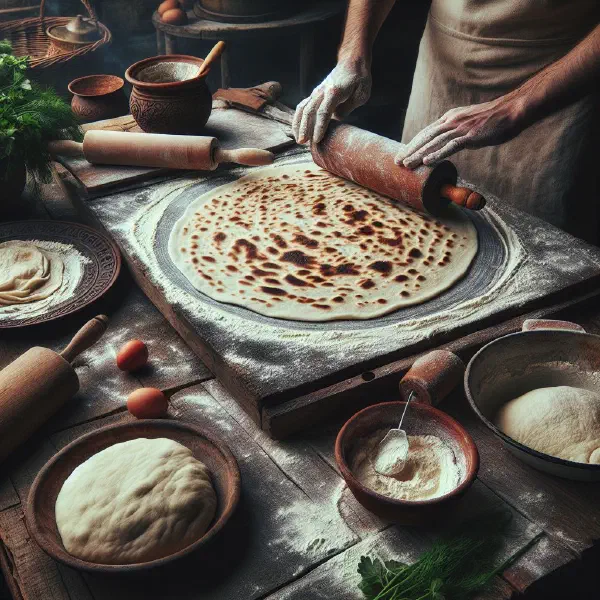
- Roll the risen dough out on a floured surface.
- Shape into rounds and transfer them to a baking tray.
- Bake in a preheated oven at 220 °C for 10–15 minutes, until golden brown.
Gluten-free / lactose-free version
For a gluten-free matnakash, use a gluten-free flour blend made specifically for bread baking. If you want a lactose-free option, lactose-free milk or a plant-based milk works perfectly well in place of dairy. Adjust the ratio of liquid to flour slightly, as gluten-free flours generally drink up more moisture. Test these alternatives until you land on a dough that suits everyone at the table.
Tips for vegans and vegetarians
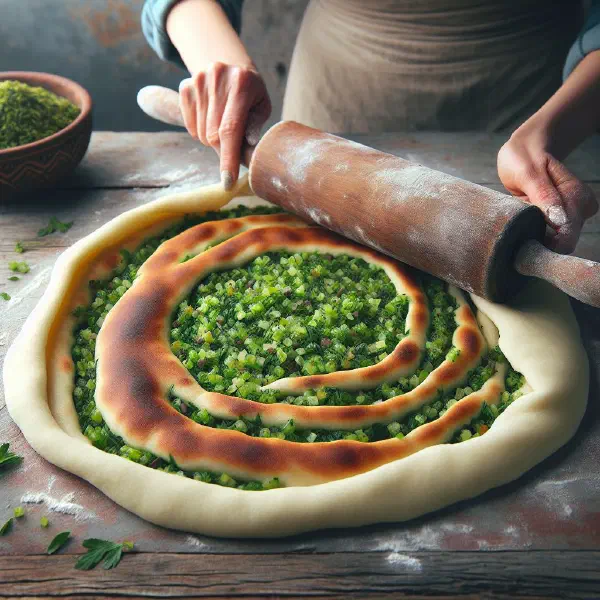
Matnakash is naturally vegan, since it contains no animal products at all. To take the flavour further, work herbs or seeds into the dough before shaping. Served with vegan butter or margarine, it makes a thoroughly satisfying plant-based meal, much like the herb-packed Jengyalov Hats. Experiment with different spices to tune the loaf to your own taste.
More tips and tricks
A few simple habits will improve both the texture and the flavour of your matnakash. Make sure the water for the yeast is warm rather than hot, as excessive heat kills the yeast outright. Give the dough plenty of time to rise, since a long proving time is what produces that characteristic open crumb. It is also worth checking that your oven thermometer is properly calibrated, so the loaf bakes at a genuinely reliable temperature.
Adapting the recipe to your taste
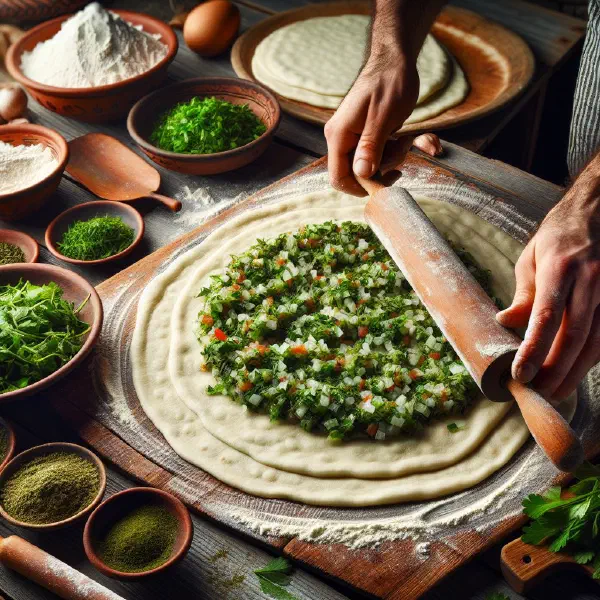
You can tailor the matnakash recipe to your own preferences by folding in extras such as herbs, garlic or onion. The amounts of salt and sugar are equally flexible, reduce either if you prefer a plainer loaf. Combining different flours is another rewarding route to new flavours and textures. Adapting the recipe to what you personally enjoy makes the whole business of baking far more interesting.
Ingredient substitutions
If you have no wheat flour to hand, oat flour or almond flour can stand in. Both will change the texture of the matnakash, so expect to experiment a little before you find the right proportions. In place of sugar, honey or agave syrup lends the bread a natural sweetness. Be creative and shape the recipe around whatever suits you best, the same open-minded approach that makes dishes like Havgitov Hats so easy to live with.
Drink pairing ideas
Matnakash goes beautifully with a wide range of drinks. Traditionally it is served with Armenian wine or a refreshing herbal tea. A plain glass of water or a sharp, citrusy lemonade will round the meal off just as well. And no table is complete without a cup of Armenian coffee, which complements the bread perfectly and draws out its gentle aroma.
Serving and presentation ideas
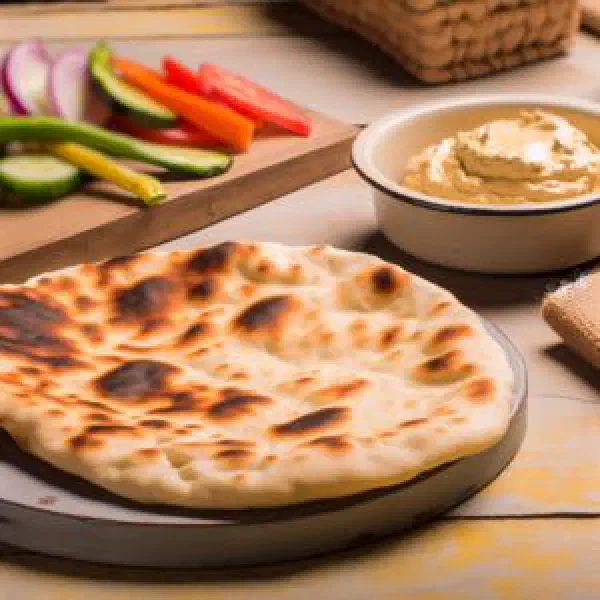
How you present matnakash adds a great deal to the experience. Serve the loaf on a handsome wooden board for a rustic, generous look. Scatter over fresh herbs or set out a good dip to bring colour to the table. An attractive spread with several sides, a spoonful of Mshosh, perhaps, makes for a striking sight and builds anticipation before anyone has taken a bite.
A bit of history
The origins of matnakash reach far back and are deeply rooted in Armenian history. This bread is thought to have been baked in one form or another for centuries. The tradition of making it is typically passed down from one generation to the next, mother to daughter, baker to apprentice. The loaf reflects Armenian culture and a lasting respect for craft baking and for the careful preparation of food in Armenian society.
More recipe ideas
Summary: Matnakash
In short, Matnakash is not merely a flatbread but a piece of Armenian heritage. Built from simple ingredients and a forgiving method, it is loved by locals and visitors alike. Matnakash brings the flavours and traditions of Armenian cuisine straight to your table. Bake a batch yourself and discover just how much character a handful of pantry staples can carry.