National Dish Armenia: Tabouleh (Recipe)
In this article
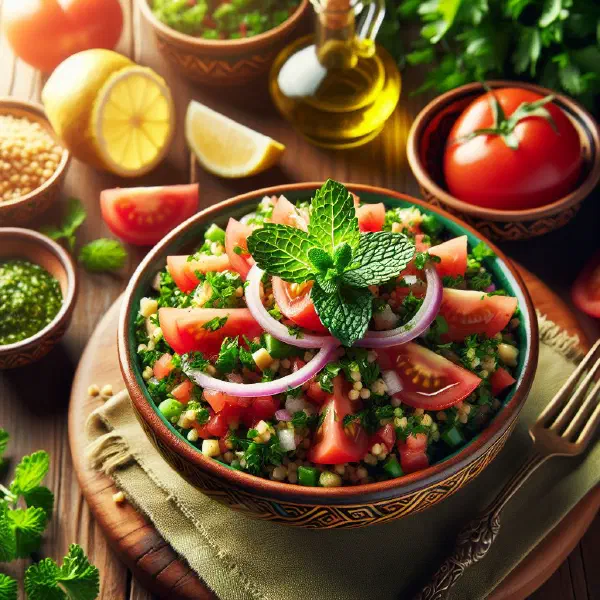
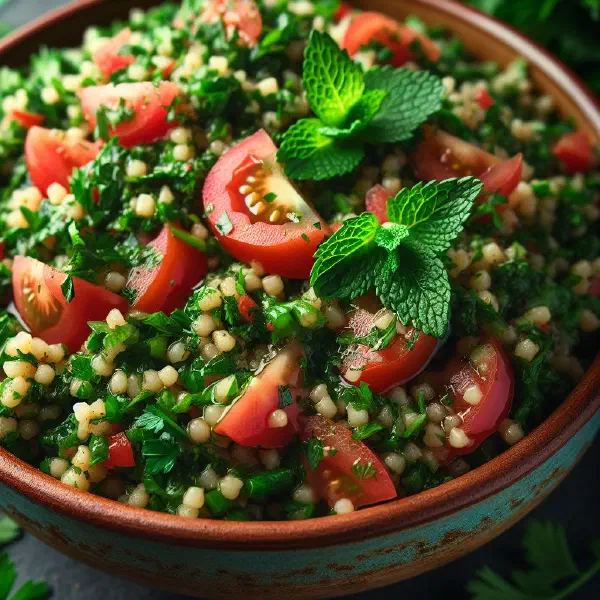
Discover Tabouleh, a bright, herb-packed salad that has become a fixture on Armenian tables. Soaked bulgur is tossed with handfuls of parsley and mint, sweet tomatoes, onion and a generous squeeze of lemon. It is light, refreshing and endlessly useful, a side dish at a big family spread, or a quick lunch on its own. Few recipes deliver so much flavour for so little effort.
About Tabouleh
Armenian Tabouleh is far more than a simple salad. It is a culinary experience. This refreshing mixture of bulgur, fresh herbs and vegetables is often served as a side dish, though it makes a perfectly good light meal in its own right. Originally from the Middle East, tabouleh has won admirers all over the world and holds a firm place in Mediterranean cooking. The combination of fresh, green flavours and crisp texture makes it a genuine highlight on any table.
Ingredients (serves 1–2)
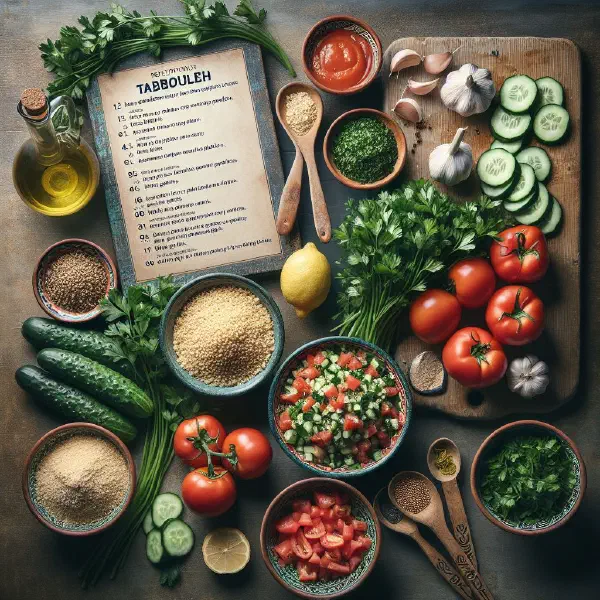
- 100 g bulgur
- 2 tomatoes
- 1 small onion
- 1 bunch fresh parsley
- 1 bunch fresh mint
- Juice of 1 lemon
- 2–3 tablespoons olive oil
- Salt and pepper, to taste
Shopping for the ingredients
When making tabouleh, choosing genuinely fresh ingredients matters more than usual. Head to a supermarket or a local market for fresh herbs such as parsley and mint. The fragrance of these herbs carries much of the dish, so they should be as fresh as you can get them. It is also worth picking a good-quality olive oil for the dressing, since it does a great deal of the work in such a simple recipe.
Preparing the dish
Preparing tabouleh is straightforward and takes only a handful of steps. First, soak the bulgur in water until it softens, which usually takes around 20–30 minutes. While it swells, you can get on with the rest: dice the tomatoes and onion finely and chop the herbs. Working through the prep in this order gives the flavours the best chance to come together into something harmonious.
Step-by-step instructions
- Put the bulgur in a bowl, pour over hot water and leave to swell for about 20–30 minutes.
- Finely chop the tomatoes, onion, parsley and mint.
- Drain the soaked bulgur well and tip it into a large bowl.
- Add the chopped ingredients and mix thoroughly.
- Pour over the lemon juice and olive oil, then season with salt and pepper.
- Leave the tabouleh to stand for at least 30 minutes so the flavours can mingle.
Gluten-free / lactose-free version
For anyone with a gluten intolerance there is an easy way round the bulgur. Use quinoa instead. It is naturally gluten-free and has a very similar texture once cooked. This version stays close to the original in taste while remaining a light, healthy option. The recipe contains no dairy to begin with, so it is already suitable for anyone avoiding lactose; just check any shop-bought dressing you might add.
Tips for vegans and vegetarians
Tabouleh is naturally vegan, which makes it an excellent choice for plant-based eating. Use fresh, ideally organic produce to get the full nutritional benefit from all those herbs and vegetables. You can also adapt the dish by folding in other plant ingredients for extra flavour and texture, a handful of roasted chickpeas, for instance, adds welcome protein and a pleasing crunch, much as they do in Vospov Kofte.
More tips and tricks
To bring out the flavours of tabouleh, mix everything thoroughly so the ingredients have proper contact with the dressing. Let the finished salad rest in the fridge as well, since the aromas continue to develop as it chills. A final splash of lemon juice just before serving lifts everything and adds a fresh edge. Play with the proportions to find the balance that suits you best.
Adapting the recipe to your taste
The basic formula for tabouleh takes happily to variation. Add avocado for a creamier texture, or swap some of the herbs for basil or coriander if you prefer those flavours. Nuts such as walnuts or pistachios bring an extra crunch, the same nutty note that runs through Topik.
Ingredient substitutions
If you do not have everything to hand, tabouleh offers plenty of alternatives. Couscous or cooked rice will stand in for bulgur, with cooking times adjusted accordingly. Dried herbs are less intense than fresh ones but will do at a pinch. Vegetables such as peppers or cucumber also fold in beautifully, enriching the salad with new textures and flavours, a flexibility it shares with the yoghurt-based Tarator.
Drink pairing ideas
Refreshing drinks are the natural partners for tabouleh. A classic mint tea rounds the dish off perfectly and echoes the freshness of the salad. Lemonade works just as well, as does a light white wine for those who want something alcoholic. For an alcohol-free option, fruit juices or a sparkling soft drink will lift the flavours without competing with them.
Serving and presentation ideas
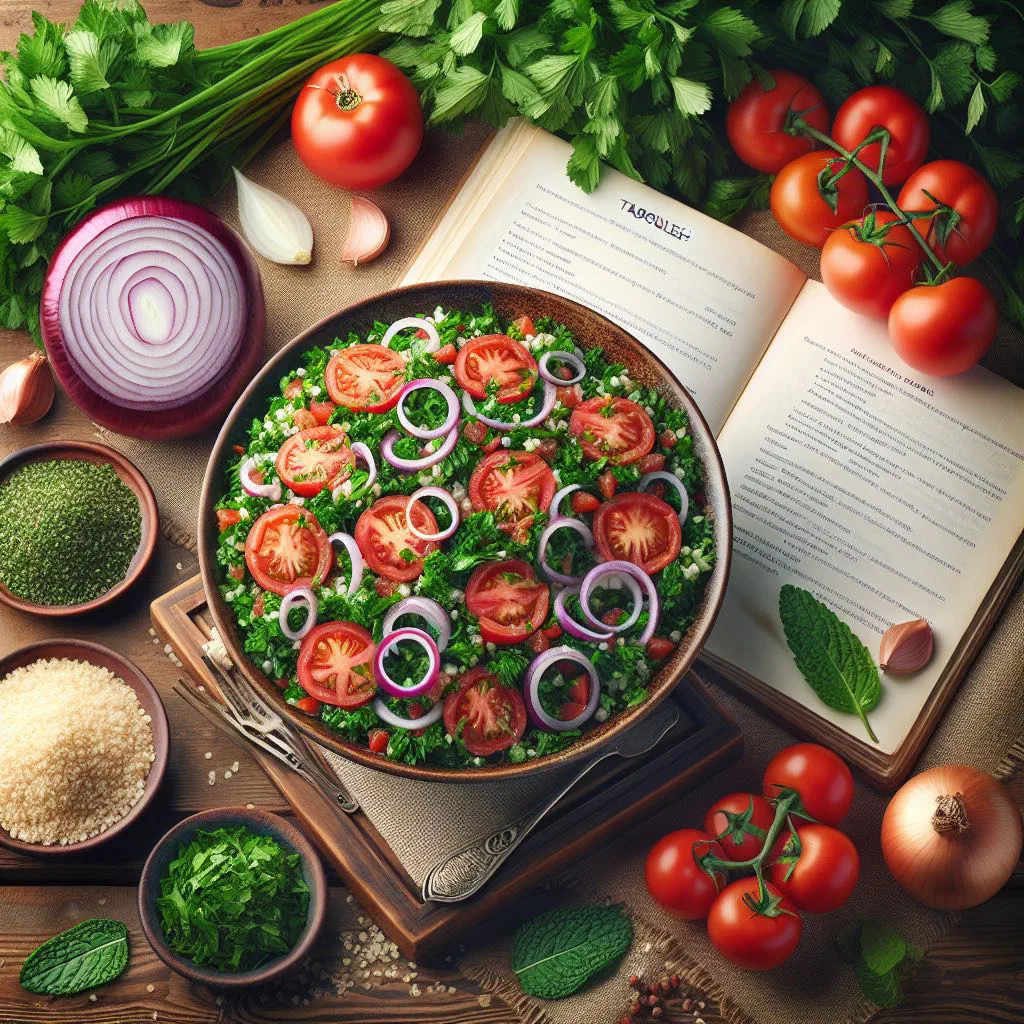
Presentation makes a real difference to how tabouleh is enjoyed. Serve the salad in a large, shallow bowl and garnish it with a few sprigs of fresh herbs. An extra squeeze of lemon juice over the surface as you serve gives an appealing sheen. Fresh vegetables arranged around the bowl look inviting and encourage guests to help themselves, a generous, shared style typical of Armenian cuisine.
A bit of history
Tabouleh has its roots in the Middle East and is traditionally served across many Arab countries. Its exact origins are often disputed, but it is now widely cherished throughout modern Mediterranean cooking. It is said to have begun as peasant food, since it was easy to prepare and relied on whatever fresh produce was to hand. Today it is a fixture at buffets and celebrations the world over, sitting comfortably alongside grilled dishes such as Vaspov Khorovats.
More recipe ideas
Summary: Tabouleh
This recipe for Tabouleh is a delicious way to enjoy the fresh, vivid flavours of Armenian cooking. With its colourful mix of bulgur, herbs and vegetables it is not only healthy but genuinely simple to put together. Add in the many ways it can be adapted and refined, and tabouleh becomes a dish that suits almost any occasion. Let this traditional recipe inspire you and bring a piece of Armenia to your own table.