National Dish Azerbaijan: Badimjan Dolmasi (Recipe)
In this article
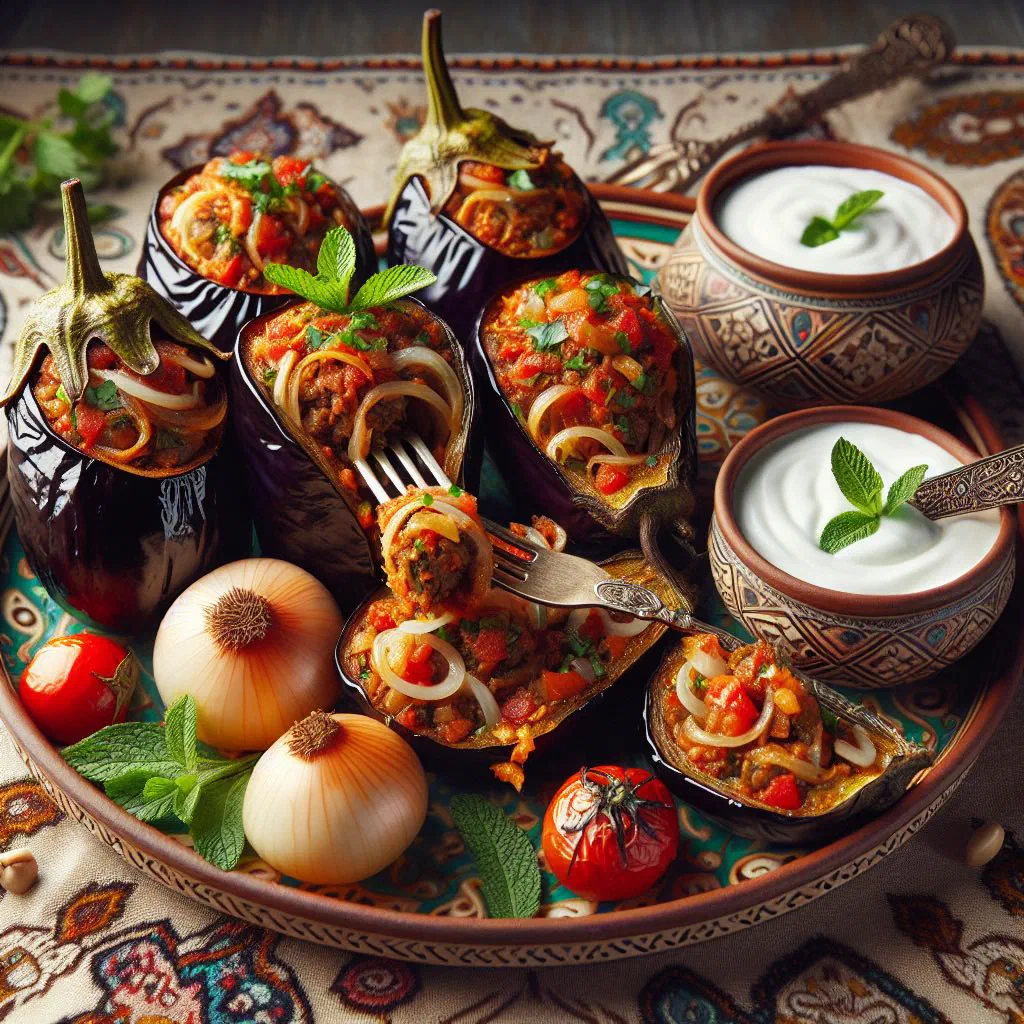
Meet Badimjan Dolmasi, Azerbaijan’s answer to the stuffed vegetable, tender aubergine halves cradling a fragrant filling of rice, onion and fresh herbs. It is a dish built for sharing, the kind that appears when family and friends gather round a long table. Naturally suited to vegan and gluten-free cooking, it carries the warmth and hospitality of the Caucasus in every forkful.
About Badimjan Dolmasi
Badimjan Dolmasi is a traditional Azerbaijani dish that wins over the palate at first bite. It consists of tender aubergines, lovingly stuffed with an aromatic mixture of rice, spices and, in some households, meat. The dish is a pleasure to eat and reflects the rich culture and generous spirit of the Azerbaijani people. Badimjan Dolmasi is usually enjoyed in the company of friends and family, which makes it a perfect choice for communal occasions.
Ingredients (serves 1–2)
- 2 medium aubergines
- 100 g rice
- 1 onion
- 1 teaspoon tomato purée
- 1 teaspoon paprika
- Fresh herbs (parsley, dill)
- Olive oil
- Salt and pepper to taste
Shopping for the ingredients
To make an authentic Badimjan Dolmasi, it pays to keep an eye on the quality of your ingredients. Visit a local market or an Asian grocery to find firm aubergines and fragrant herbs, both of which are decisive for the dish. Make sure the rice is as fresh as possible so it cooks up light and separate. With a good selection of ingredients you bring the flavour of Azerbaijan straight into your own kitchen.
Preparing the dish
The groundwork is simple but does take a little time. Begin by washing and cutting the aubergines, splitting them down the middle to make room for the filling. After that you can cook the rice and fry the onion in a pan. A well-seasoned filling is the key to a delicious Badimjan Dolmasi, so taste as you go and adjust before the aubergines go in the oven.
Step-by-step instructions
- Halve the aubergines lengthways and carefully scoop out the flesh.
- Cook the rice according to the instructions on the packet.
- Fry the onion in olive oil until golden brown.
- Add the tomato purée and fry briefly, then stir in the cooked rice and the fresh herbs.
- Spoon the filling into the aubergine halves and lay them in an ovenproof dish.
- Pour a little water into the dish and bake at 180°C for about 30 minutes.
Gluten-free / lactose-free version
Badimjan Dolmasi is naturally gluten-free, since the main component of the filling is rice. Do check that any stock cubes or other additions you use are certified gluten-free, if you need them at all. For a lactose-free version, plant-based margarine or a good olive oil in place of butter brings plenty of flavour of its own. That way the dish stays both wholesome and full of taste.
Tips for vegans and vegetarians
Badimjan Dolmasi adapts easily for vegans and vegetarians. Simply use plant-based alternatives for any animal products that other versions might include. It is also worth building up layers of aroma as you cook, adding a range of spices and herbs to make up for the depth that meat would otherwise provide. The dish stays every bit as rich and satisfying while fitting your lifestyle, much like a good Kuku Mit Kraeutern, where herbs do the heavy lifting.
More tips and tricks
To intensify the flavours of Badimjan Dolmasi, let the filling cool a little before you spoon it into the aubergines. This helps to concentrate the flavour and improves the texture. Adding nuts or dried fruit to the filling gives the dish an extra crunch and rounds out the aromas nicely. Whichever variation you choose, the savoury combination of ingredients will impress your guests.
Adapting the recipe to your taste
Badimjan Dolmasi is remarkably adaptable. Swap the rice for quinoa for a more nutrient-dense version, or add other vegetables such as courgette or peppers. The spicing can vary too: try coriander seed or cumin for a new twist. Adjustments like these let you create a very personal dish that suits your palate exactly, the same freedom you have with the closely related Sogan Dolmasi.
Ingredient substitutions
If you cannot get hold of aubergines, courgettes work well too, as they have a similar structure. For the filling, couscous makes a quick alternative to rice and cooks in minutes. Using tofu or tempeh instead of meat gives you a nutrient-rich vegan version. Alternatives like these add variety and encourage a bit of experimentation in the kitchen.
Drink pairing ideas
A number of drinks suit Badimjan Dolmasi and underline the flavours of the dish. A dry white wine such as Sauvignon Blanc harmonises beautifully with the spiced filling. For an alcohol-free option, a fruity tea gently complements the aromas. Sparkling water with a squeeze of lemon also makes a refreshing partner that lightens the meal.
Serving and presentation ideas
The presentation of Badimjan Dolmasi can lift the whole eating experience. Serve the stuffed aubergines on a decorative plate and garnish them with fresh herbs such as parsley or dill. A few fresh tomatoes and slices of cucumber on the side lend the dish more colour and freshness, a simple Choban Salati does the job perfectly. Remember to serve everything warm to enjoy the fullest flavour.
A bit of history
Badimjan Dolmasi has its roots in the traditional cooking of Azerbaijan and belongs to the wider dolma tradition that stretches across the Caucasus. The dish is a fine example of how seasonal produce is put to good use, and it is often tied to cultural festivals. Preparing and eating Badimjan Dolmasi encourages sociability among family and friends, which underlines the important role food plays in Azerbaijani cuisine and everyday life. It mirrors the hospitality and warmth of the people.
More recipe ideas
- Qutab — filled flatbreads with a variety of fillings
- Plov — a fragrant Azerbaijani rice dish
- Kebab — marinated meat served on a bed of bread
- Dushbara — tiny filled dumplings in broth
- Yarpag Dolmasi — vine leaves wrapped around a spiced filling
Summary: Badimjan Dolmasi
Badimjan Dolmasi is more than just a dish; it is an experience that appeals to both the soul and the palate. With its savoury filling and mellow, tender aubergines it offers a delicious way to discover the culinary tradition of Azerbaijan. Whether as a main course or as part of a buffet spread, this dish brings joy and a sense of community to any table. Try making Badimjan Dolmasi yourself and see how much you and your guests enjoy it.