National Dish Azerbaijan: Kuku (Recipe)
In this article
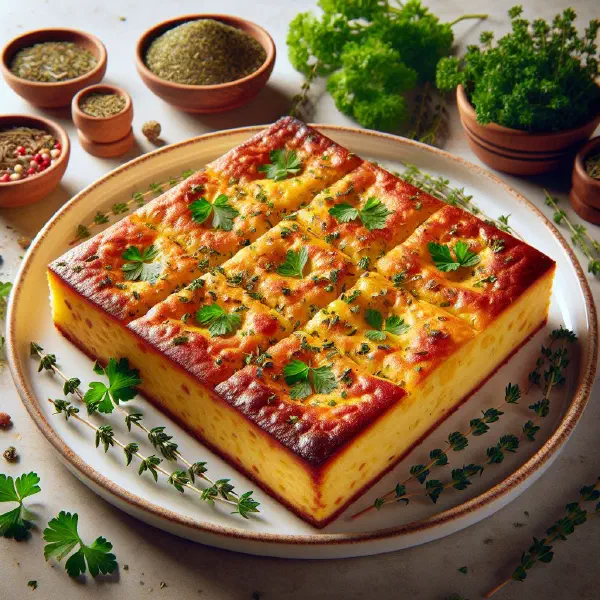
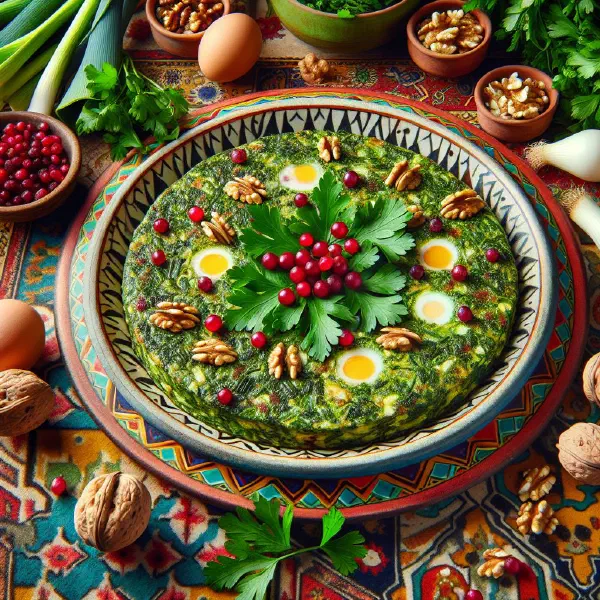
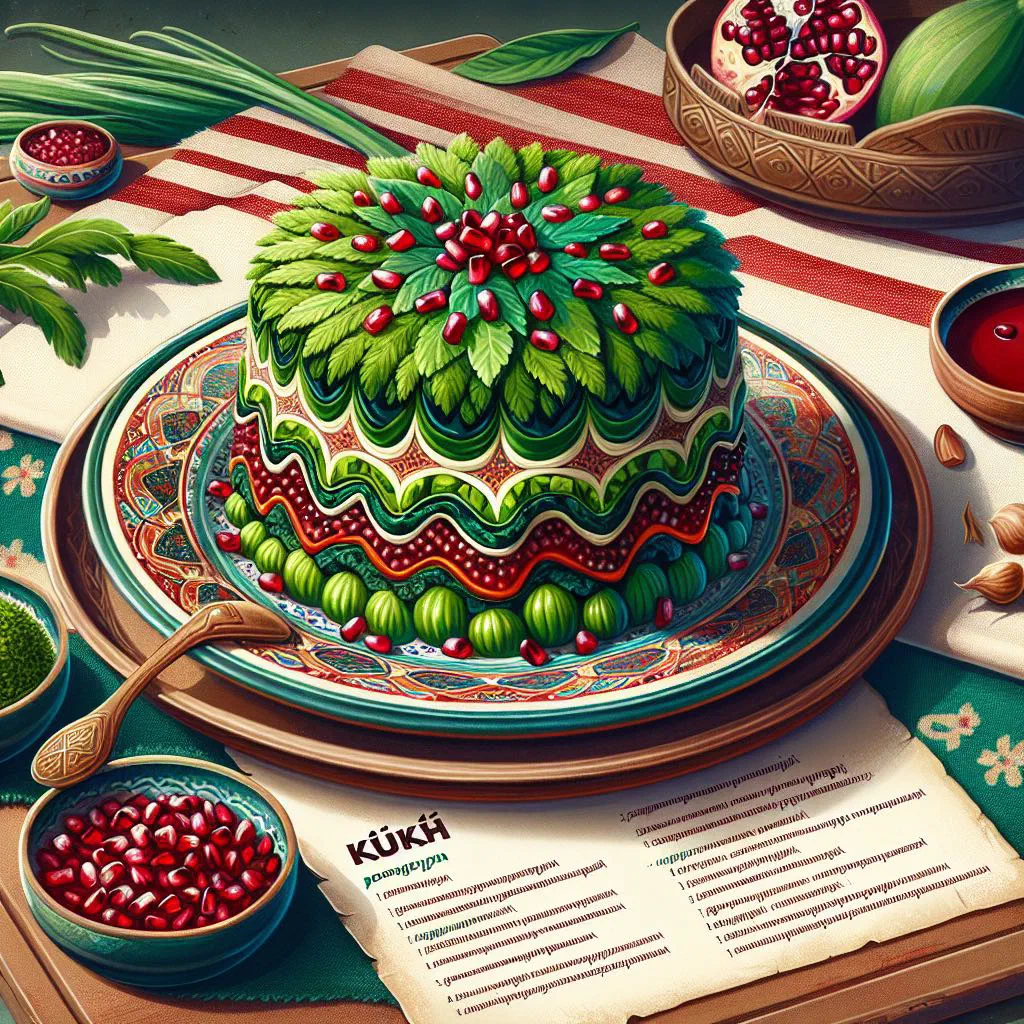
Discover Kuku, one of Azerbaijan’s most cherished dishes. Somewhere between a baked omelette and a herb-laden frittata, it packs an astonishing amount of dill, parsley and coriander into a soft, golden set of eggs. It is light yet full of flavour, quick enough for a weeknight and handsome enough for a table full of guests, and it tastes every bit as good warm from the pan as it does cooled and cut into wedges.
About Kuku
Kuku is a traditional dish from the Azerbaijani kitchen, prized above all for its versatility and its intense flavour. It is an egg-based bake made with a generous quantity of fresh herbs. The combination of eggs, herbs and spices produces a low-calorie yet deeply flavourful dish that can be prepared in any number of variations. Ideal as a snack, a main course or a side dish, kuku is easy to adapt to your own preferences.
Ingredients (serves 1–2)
- 4 fresh eggs
- 1 cup fresh herbs (dill, parsley, coriander)
- 1 small onion, finely diced
- 1 teaspoon salt
- 1/2 teaspoon black pepper
- 2 tablespoons olive oil
Shopping for the ingredients
The ingredients for kuku are easy to come by and available in most supermarkets or at local markets. Fresh herbs are the key to the flavour, so take the time to pick out fragrant, lively bunches rather than tired ones. The choice of eggs matters too, fresh is always the best option here. If quality is a priority, a visit to a local farmers’ market will usually turn up the finest produce.
Preparing the dish
To make kuku you first need fresh eggs and herbs. Begin by washing and chopping the herbs, since they are the main component of the dish. The onions should be finely diced as well, so that they distribute evenly through the mixture. And do not forget to warm your pan with the olive oil before you start frying the onions.
Step-by-step instructions
- Heat a frying pan over a medium heat and add the olive oil.
- Add the diced onions and fry until soft and lightly golden.
- Beat the eggs in a bowl, then stir in the chopped herbs, salt and pepper.
- Add the onions to the egg mixture and combine well.
- Pour the mixture into the pan and let it set over a low heat until the underside is golden brown.
- Carefully turn the kuku over, or finish it in the oven to cook the top.
- Lift the dish out of the pan and serve warm.
Gluten-free / lactose-free version
Kuku is naturally gluten-free and lactose-free, which makes it an excellent choice for anyone with the corresponding allergies or intolerances. Simply use fresh ingredients and bear in mind that some ready-made products may contain sugar or gluten that you would want to avoid. It is worth checking the labels before you buy to be sure there are no unwanted additives hiding in the mix. That way you can enjoy a healthy and delicious dish with complete confidence.
Tips for vegans and vegetarians
For vegans, kuku is easily adapted by swapping the eggs for plant-based alternatives. A popular option is tofu or chickpea flour, both of which deliver a similar texture. This gives you a creamy consistency while keeping the flavour intense thanks to the fresh herbs and spices. With the right approach, vegans too can enjoy this quintessentially Azerbaijani dish, much as they can with a herb-heavy Dovga.
More tips and tricks
Making kuku can be improved by a few simple tricks. It helps, for instance, to sauté the herbs briefly in the pan before adding them to the eggs, which coaxes out their aroma far more effectively. Another option is to cook the dish in the oven, which guarantees an even heat and a pleasing consistency. One more tip: experiment with different herb combinations to give your kuku a twist all of its own.
Adapting the recipe to your taste
The flexibility of kuku means the recipe can be tailored entirely to your preferences. Add seasonal vegetables, for example, to create an even healthier version. Different spices, such as cumin or paprika, can also change the character of the dish considerably. Every batch becomes a new experience, shaped to suit the cook, and one that never disappoints.
Ingredient substitutions
If you do not have particular herbs to hand, there are plenty of substitutions worth considering. In place of dill you might use tarragon, which offers an interesting aroma of its own. Olive oil can likewise be replaced with coconut oil if you would like a milder result. Adjustments like these let you bring the dish closer to your individual taste without losing the original character of the kuku.
Drink pairing ideas
A delicious kuku suits a range of drink partners. A refreshing yoghurt drink goes wonderfully with the robust herb aromas, and the same cooling logic underpins the classic Ovdukh. Alternatively you could serve a fruity tea or a light white wine to underline the flavours. These suggestions set the dish off perfectly and round out the whole experience.
Serving and presentation ideas
Presentation plays a large part in the pleasure of kuku. Serve the dish on a large plate and garnish it with fresh herbs. A little yoghurt or soured cream in the centre provides a contrast in colour and a creamy note. Use colourful vegetables or edible flowers as decoration to make the dish more appealing still. The way you arrange your kuku can have a decisive effect on your guests’ appetite.
A bit of history
Kuku has its origins in the Azerbaijani kitchen and reflects the traditions of this fascinating country. It is often served on festive occasions and is a much-loved fixture at family gatherings. The combination of traditional methods and modern influences has made the dish an unmistakable part of Azerbaijani cuisine. Every family recipe can tell a story of its own, frequently passed down from one generation to the next.
More recipe ideas
Summary: Kuku
In summary, kuku is a succulent and aromatic dish that is both simple to prepare and genuinely healthy. It offers countless possibilities for variation and can be adjusted to suit all sorts of dietary needs. Fresh ingredients and personal preference give every kuku its own signature. The combination of flavour, tradition and simplicity makes this dish a must in any kitchen, whether you serve it as a snack or as a main course.