National Dish Azerbaijan: Quru Dolma (Recipe)
In this article
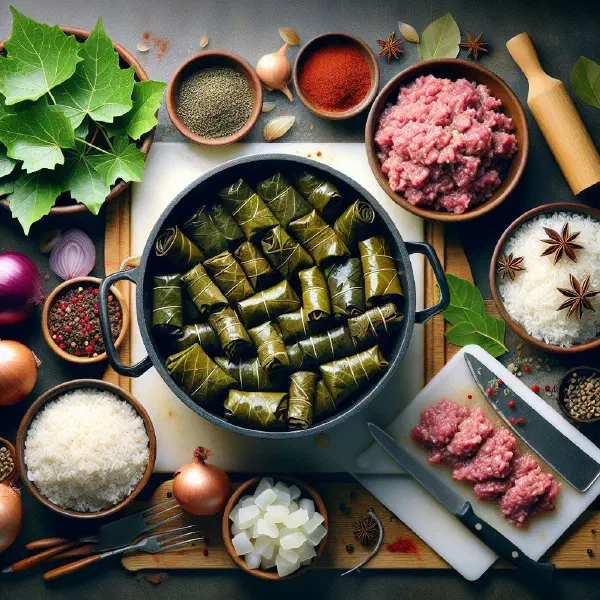
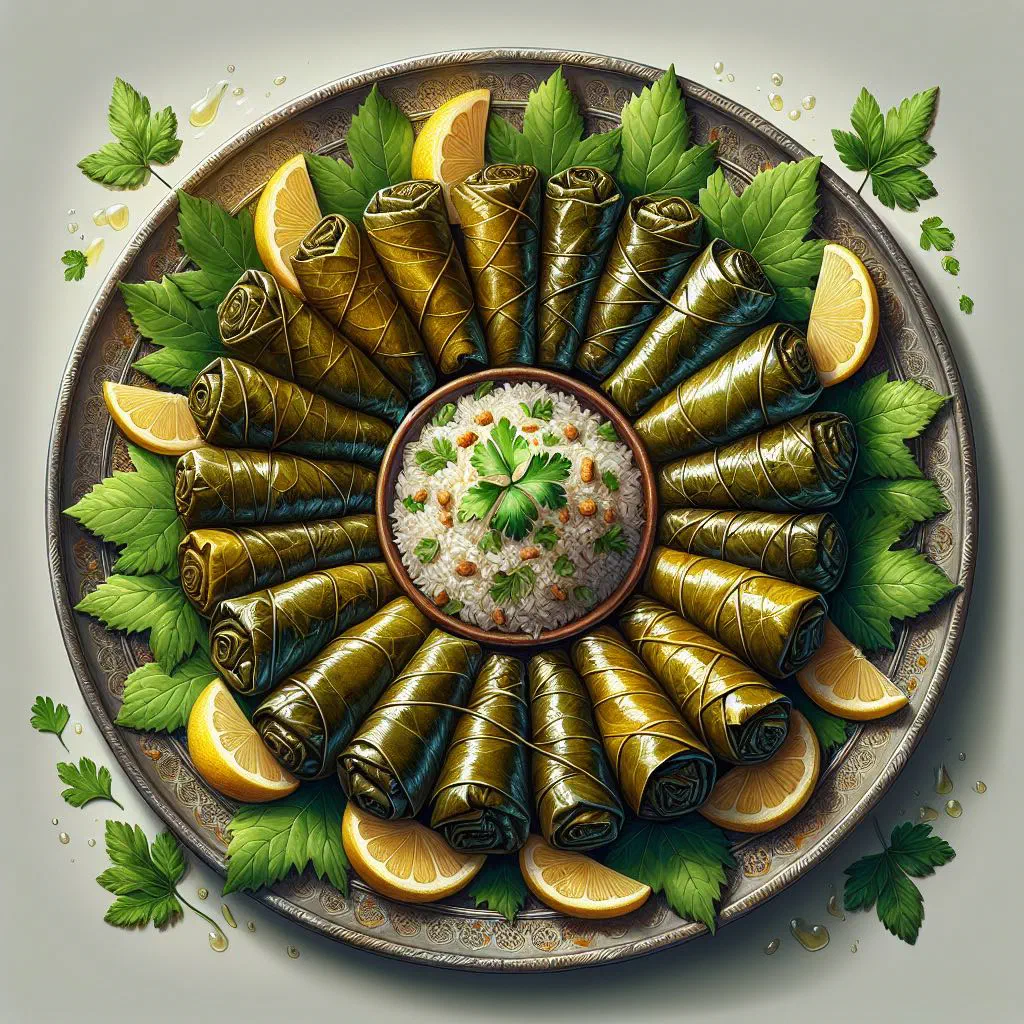
Meet Quru Dolma, one of Azerbaijan’s most treasured dishes: tender vine leaves wrapped around a fragrant filling of rice, meat and herbs, then slowly baked until everything turns meltingly soft. It takes a little patience to roll each parcel, but the reward is a plate of neat, glossy bundles that taste of the Caucasus, bright with lemon, warm with spice and quietly festive. This is home cooking at its most generous.
About Quru Dolma
Quru Dolma is an immensely popular national dish of Azerbaijan that wins over locals and visitors alike. The dish is built from delicate vine leaves filled with a delicious mixture of rice, meat and a whole range of spices. That harmonious combination creates an unmistakable flavour that reflects the country’s cooking beautifully.
Ingredients (serves 1–2)
- 200 g vine leaves
- 100 g rice
- 150 g minced meat (beef or lamb)
- 1 onion, finely chopped
- 2 tablespoons olive oil
- 1 teaspoon paprika
- Salt and pepper to taste
- 1 teaspoon lemon juice
- Fresh herbs (parsley, dill), to taste
- Water for cooking
Shopping for the ingredients
Most of the ingredients for quru dolma are easy to find in an ordinary supermarket. Fresh vine leaves can often be tracked down in Middle Eastern or Mediterranean grocers, and if fresh ones are nowhere to be had, the brined jarred variety works just as well. Do buy good-quality spices, as with a well-made Dolma, they carry the whole flavour of the dish.
Preparing the dish
Before you start rolling quru dolma, lay out everything you need. Rinse the rice thoroughly under cold water until it runs clear; this washes away excess starch and gives a much better texture. Meanwhile, fry the onion in a pan with a little olive oil until golden brown and soft, which adds real depth of flavour to the filling.
Step-by-step instructions
- Preheat the oven to 180°C.
- In a large bowl, combine the rice, minced meat, fried onion, paprika, salt, pepper and fresh herbs.
- Place a tablespoon of the filling in the centre of each vine leaf and roll it up carefully.
- Arrange the parcels in an ovenproof dish and drizzle a little lemon juice over them.
- Pour in enough water to cover the base of the dish, then cover with foil.
- Bake for about 45 minutes, until the meat is cooked through and the rice is tender.
Gluten-free / lactose-free version
Quru dolma is naturally gluten-free and lactose-free, provided you do not add anything that contains gluten or dairy. Steer clear of heavily processed ingredients that might sneak either one in, and if you avoid gluten strictly, check that your spices and other extras are certified gluten-free. These qualities make quru dolma an excellent choice for anyone with particular dietary needs.
Tips for vegans and vegetarians
For a vegan or vegetarian version, replace the minced meat with a mixture of vegetables and pulses. Kidney beans or lentils give a protein-rich base, while a handful of finely chopped vegetables rounds out the taste. Season generously with spices and fresh herbs so the filling keeps the character of quru dolma. A plant-based version like this brings extra variety to the plate without losing anything, much as it does in a good Lobya Cigirtmasi.
More tips and tricks
One useful trick is to blanch the vine leaves briefly in hot water before you begin. It makes them more supple and far easier to roll without tearing. Serving the finished parcels with tomato sauce or a spoonful of yoghurt adds another layer of flavour, and it is well worth experimenting with different herbs and spices to give the dish your own twist. Every small addition can lift the result noticeably.
Adapting the recipe to your taste
Quru dolma leaves plenty of room for personal adjustment. Vary the spices to suit your palate, or work extra vegetables into the filling. Different meats, chicken or turkey mince, for instance, create quite new flavours, in the same spirit as the poultry-led Toyuq Levengi. With a few small changes you can reinvent the dish again and again.
Ingredient substitutions
If something is missing from the cupboard, there are plenty of alternatives. Quinoa in place of rice gives a slightly different texture and nutritional profile, and any kind of minced meat can be swapped in to vary the character of the filling. Plant-based mince works too, offering a lighter option without sacrificing the delicate taste of quru dolma.
Drink pairing ideas
Quru dolma sits best alongside lively drinks that complement its savoury filling. A light, dry white wine such as a Sauvignon Blanc is ideal. Alternatively, a refreshing pomegranate juice or a homemade yoghurt drink works wonderfully. These taste good in their own right and help balance the flavours on the table.
Serving and presentation ideas
A few simple garnishes make quru dolma look as good as it tastes. Serve the parcels on an attractive plate and decorate with fresh herbs or a slice of lemon. A small bowl of yoghurt on the side creates a lovely contrast in colour and rounds out the flavours. Complete the picture with a traditional table setting, or add a fresh Choban Salati for colour.
A bit of history
Quru dolma has a long history in Azerbaijani cuisine, reaching back to ancient times. It is regarded as a symbol of the region’s hospitality and is often served at festive occasions. Methods and ingredients vary from one part of the country to the next, which reflects the cultural diversity of Azerbaijan. Eating quru dolma is therefore a culinary pleasure and a way of stepping into the country’s rich traditions.
More recipe ideas
Summary: Quru Dolma
In short, quru dolma is a wonderfully flavourful dish that captures the aromas and traditions of Azerbaijan. It offers no end of scope for personal tweaks and will pleasure traditional and adventurous cooks in equal measure. The preparation asks for a little effort, but the payoff is a truly distinctive eating experience. Give quru dolma a try and bring a piece of Azerbaijani culture into your own kitchen.