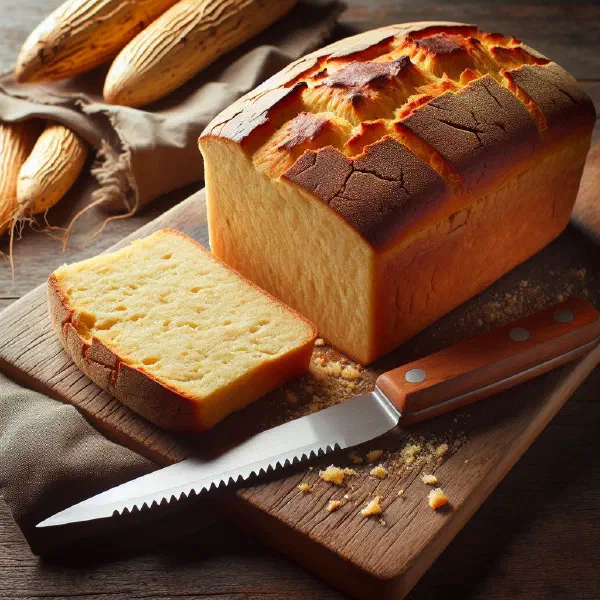
National Dish Bahamas: Bahamian Cassava Bread (Recipe)
In this article
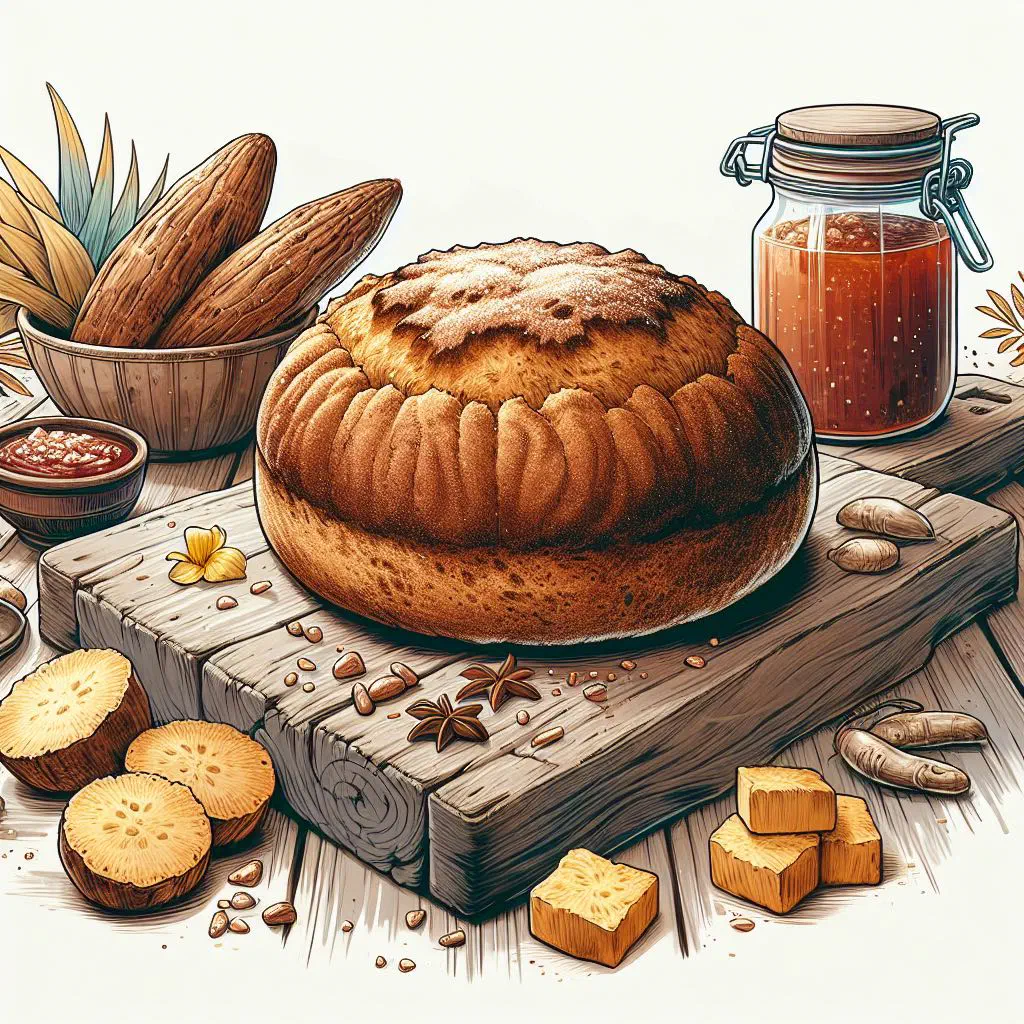
Discover Bahamian Cassava Bread, a traditional loaf that carries the warm, sun-soaked spirit of the islands straight into your kitchen. Made from freshly grated cassava, this naturally gluten-free bread has a wonderfully nutty texture and a subtle sweetness that sets it apart from everyday loaves. Each slice reflects generations of Caribbean baking know-how, and it is a lovely way to bring a taste of the Bahamas to your own table.
About Bahamian Cassava Bread
Bahamian Cassava Bread is a traditional Caribbean dish rooted deep in the culture of the Bahamas. This gluten-free bread is made from freshly grated cassava and is known for its unique, nutty texture. Preparing cassava bread is something of an art in its own right, and it reflects the rich culinary heritage of the region. Every loaf is made with care and attention, offering a wonderful opportunity to experience the flavours of the islands right in your own home.
Ingredients (serves 1–2)
- 500 g freshly grated cassava
- 1/2 cup coconut milk
- 1/4 cup sugar (optional)
- 1/2 teaspoon salt
- 1/2 teaspoon baking powder
- 1/4 cup melted butter or margarine
Shopping for the ingredients
The key to a good loaf is sourcing fresh cassava. Look for firm, unprocessed roots, which you will usually find in most Asian or Latin American grocery shops. The coconut milk should be unsweetened so it does not overpower the bread’s natural flavour. The remaining ingredients are generally easy to track down and will depend on what your local supermarket has in stock.
Preparing the dish
Getting ready to bake Bahamian cassava bread is straightforward, though it does take a little time. First, peel the cassava thoroughly and grate it finely, the consistency should resemble grated cheese. It is also important to squeeze the grated cassava well to remove any excess liquid, as this gives the finished bread its lovely texture.
Step-by-step instructions
- Place the grated cassava in a large mixing bowl.
- Add the coconut milk, sugar, salt and baking powder.
- Mix in the melted butter or margarine.
- Knead the mixture well until everything is thoroughly combined.
- Spread the dough into a buttered baking tin and smooth the top.
- Bake in a preheated oven at 180°C for about 30–40 minutes.
- Leave the bread to cool, then cut it into pieces.
Gluten-free / lactose-free version
One of the best things about Bahamian cassava bread is that it is naturally gluten-free. The main ingredient, cassava, contains no gluten, making it ideal for anyone with coeliac disease or a gluten intolerance. For a lactose-free version, simply swap the butter for a plant-based alternative. These small adjustments make the recipe accessible to a range of diets while keeping all of its delicious flavour intact.
Tips for vegans and vegetarians
For vegans, the melted butter can be replaced with plant-based margarine or even melted coconut oil. This preserves the bread’s distinctive taste and delivers a fully plant-based loaf. Vegetarians might swap the sugar for brown sugar to bring out a deeper, more caramel-like flavour. Another lovely variation is to enrich the dough with fresh herbs or spices, giving the bread an extra layer of character.
More tips and tricks
To get the best results when baking Bahamian cassava bread, take care to wring out the cassava thoroughly. This stops the finished loaf from turning out too moist. Make sure the oven is well preheated before the bread goes in, so it browns evenly. Keep an eye on it as it bakes, since timings can vary from oven to oven, and a simple skewer test helps you check whether the bread is cooked all the way through.
Adapting the recipe to your taste
There are plenty of ways to tailor Bahamian cassava bread to your own preferences. You might use different sweeteners depending on whether you want a healthier or a sweeter result. Some bakers add nuts or dried fruit for extra texture and flavour, while others experiment with warming spices such as cinnamon or nutmeg to give the loaf a special touch. It pairs beautifully alongside a slice of Coconut Bread or Banana Bread on a laden tea table.
Ingredient substitutions
If you do not have coconut milk to hand, you can use almond milk or another plant-based milk instead. When it comes to sweeteners, honey or agave syrup work well if you would rather avoid other kinds of sugar. In place of cassava, you could try a similar recipe using sweet potatoes, much as you would for Yam Bread, though this will produce a different texture and flavour. The flexibility of the ingredients gives you plenty of room to get creative.
Drink pairing ideas
To accompany Bahamian cassava bread perfectly, fresh fruit juices such as pineapple, mango or passion fruit are an excellent choice. Try it with a glass of Sour Sop Juice to underline those Caribbean flavours and make the experience feel wonderfully authentic. Alternatively, enjoy it with a cup of herbal tea, a soothing companion to this hearty bread. For adults, a refreshing chilled rum cocktail offers an exciting match for the loaf’s gentle sweetness.
Serving and presentation ideas
A thoughtful presentation can lift the whole eating experience. Serve the Bahamian cassava bread on a decorative wooden board and garnish it with fresh herbs or edible flowers. A small dip of coconut cream or a zingy salsa makes a lovely accompaniment that shows the bread off at its best. Remember that colour and texture play their part too, so feel free to be creative when arranging your dish.
A bit of history
Bahamian cassava bread has a history that reaches back to the indigenous peoples of the Bahamas. Making this bread was not merely a culinary process but a central part of cultural identity. It was often served at celebrations and special occasions, and it has remained a beloved food across the generations. Today it is a symbol of Bahamian hospitality and a living connection to tradition, a proud part of Bahamas cuisine.
More recipe ideas
Summary: Bahamian Cassava Bread
Bahamian Cassava Bread is more than just a tasty dish. It is a genuine connection to the culture and traditions of the Bahamas. Its simple preparation and reliance on fresh ingredients make it an ideal accompaniment to any meal. With the tips and variations above, you can easily adapt this recipe and discover new flavours of your own.