National Dish Bahrain: Al-Harees (Recipe)
In this article
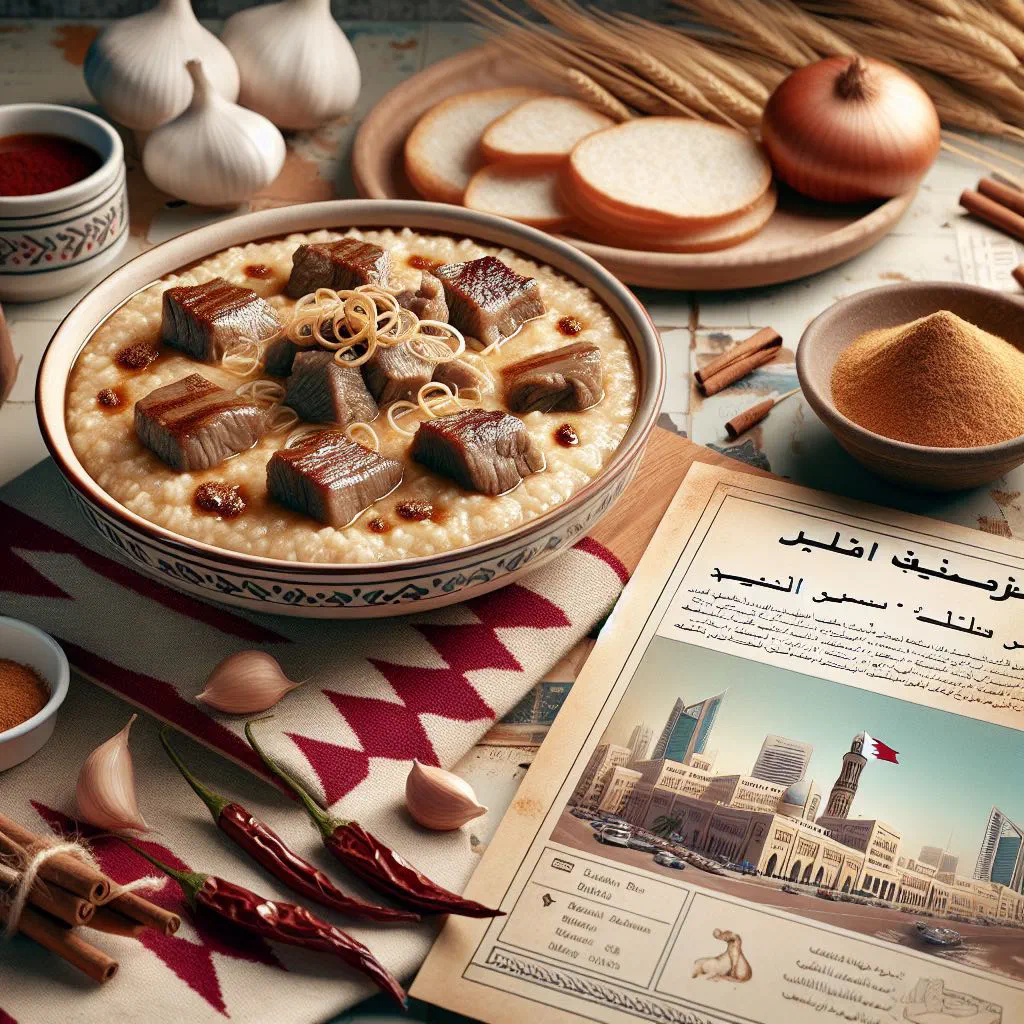
Discover Al-Harees, one of Bahrain’s most cherished festive dishes. This soothing, slow-cooked blend of tender wheat and succulent meat melts down over hours into a smooth, porridge-like comfort food that graces tables during Ramadan, Eid and family celebrations. With little more than a handful of humble ingredients and a good measure of patience, you can bring this timeless taste of the Gulf straight into your own kitchen.
About Al-Harees
Al-Harees is a traditional national dish from Bahrain, served above all during festive occasions and public holidays. It is built around just two main ingredients, wheat and meat, typically lamb or chicken, which are cooked together low and slow in a large pot. The wheat is soaked ahead of cooking so that it turns beautifully tender and full of flavour. A pinch of salt and a generous spoonful of ghee or butter round out the dish, deepening its rich, mellow character.
Ingredients (serves 1–2)
- 1 cup wheat (coarsely ground)
- 500 g lamb (or chicken)
- 1 teaspoon salt
- 4 cups water
- 2 tablespoons ghee or butter
Shopping for the ingredients
To make Al-Harees, look for your ingredients at a local supermarket or a specialist Arabic grocery. Choose good-quality produce, especially where the meat is concerned, as its quality has a real impact on the flavour of the finished dish. Coarsely ground wheat can be harder to find depending on where you live, so it may be worth ordering it online if it isn’t stocked nearby. Fresh, well-kept spices will also help you draw out the fullest flavour.
Preparing the dish
Preparing Al-Harees is straightforward, though it does call for a little patience. First, soak the wheat overnight in water so it softens and cooks more evenly. The meat needs preparing too, cut it into even pieces and season it well. These steps are key to letting the flavours meld properly and to achieving that signature smooth, homogeneous consistency. A little care at this stage keeps the cooking process running smoothly.
Step-by-step instructions
- Tip the soaked wheat into a large pot and cover it with water.
- Add the prepared meat and bring everything to a gentle boil over medium heat.
- Stir regularly to stop the mixture catching on the bottom of the pot.
- As it cooks, add the salt and the ghee or butter.
- Keep simmering until the wheat and meat are soft and tender (roughly 2–3 hours).
Gluten-free / lactose-free version
Al-Harees is naturally high in gluten, since wheat is one of its main components. If you would like a gluten-free version, you can look to alternatives such as gluten-free millet or quinoa in place of the wheat. Lactose-free butter substitutes work well too, adapting the dish for anyone with a lactose intolerance. Just make sure every ingredient you reach for suits your particular dietary needs.
Tips for vegans and vegetarians
Al-Harees is easy to adapt for vegans and vegetarians. Instead of meat, use plant proteins such as tofu or seitan. You can also make the dish entirely without animal products by leaving out the meat and enriching it with extra vegetables or pulses. Swapping the ghee or butter for a plant-based oil turns the recipe fully vegan-friendly, much like a hearty bowl of Shorbat Adas.
More tips and tricks
A few simple tips can make your Al-Harees even more delicious. For instance, frying off a little onion and garlic while the dish cooks adds welcome depth of flavour. Another option is to finish it with warming spices such as cinnamon or cumin for an extra layer of aroma. By experimenting with the seasoning, you can bring your own personal touch to the recipe.
Adapting the recipe to your taste
Al-Harees is wonderfully versatile and can be tailored to all sorts of tastes and preferences. Adjust the amount of salt and spice to suit yourself, making the dish bolder or milder as you like. You can also switch the type of meat freely, many people prefer chicken to lamb. By adapting the preparation, you can make sure everyone at the table enjoys the meal.
Ingredient substitutions
If you struggle to find certain ingredients or have allergies, there are plenty of alternatives to use in your Al-Harees. Chicken breast in place of lamb, for example, lends the dish a lighter feel. If you don’t have ghee to hand, olive oil makes a healthier stand-in. Just remember to adjust the rest of the method accordingly so you still reach the result you’re after, the same flexible approach that suits a comforting Al Margoog.
Drink pairing ideas
Certain drinks make a fine match for Al-Harees. Traditional Arabic teas or refreshing mint drinks sit beautifully alongside the dish’s mellow flavours, and a cup of fragrant Cardamom Tea is especially fitting. A cooling yoghurt drink can be a delicious accompaniment too, balancing the savoury richness of the harees. Experiment with different options to find your perfect pairing.
Serving and presentation ideas
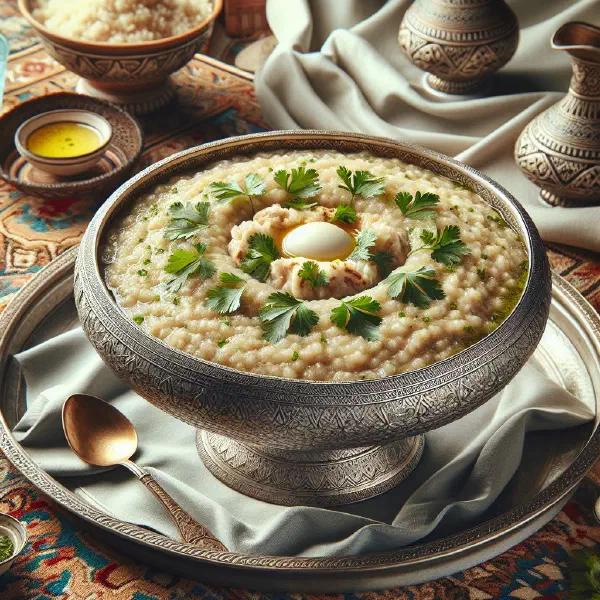
The way you present Al-Harees can lift the whole dining experience. Serve it in traditional bowls and garnish with fresh coriander or mint to add colour and freshness. A little ghee or melted butter drizzled over the warm harees works as both a visual and a flavourful flourish. An inviting presentation whets the appetite and leaves a lasting impression on your guests.
A bit of history
Al-Harees carries a long history that reaches back to the earliest days of Bahraini cuisine. It was regarded as a dish of farmers and nomads, often prepared for celebrations and feasts. Many families keep their own traditional methods and recipes, handed down from one generation to the next. More than a culinary highlight, this dish is a piece of cultural heritage that brings the community together, a hallmark of Bahraini cuisine.
More recipe ideas
Summary: Al-Harees
Al-Harees is a traditional national dish of Bahrain that charms with its combination of soft wheat and tender meat. The preparation is refreshingly simple, and there are countless ways to adapt the recipe to individual tastes. Whether vegan, gluten-free or spiced to your liking, Al-Harees can be tuned to suit everyone. More than just a typical dish, it is a tour into Bahraini culture and tradition, one you can happily recreate at home.