National Dish Bahrain: Pita Bread (Recipe)
In this article
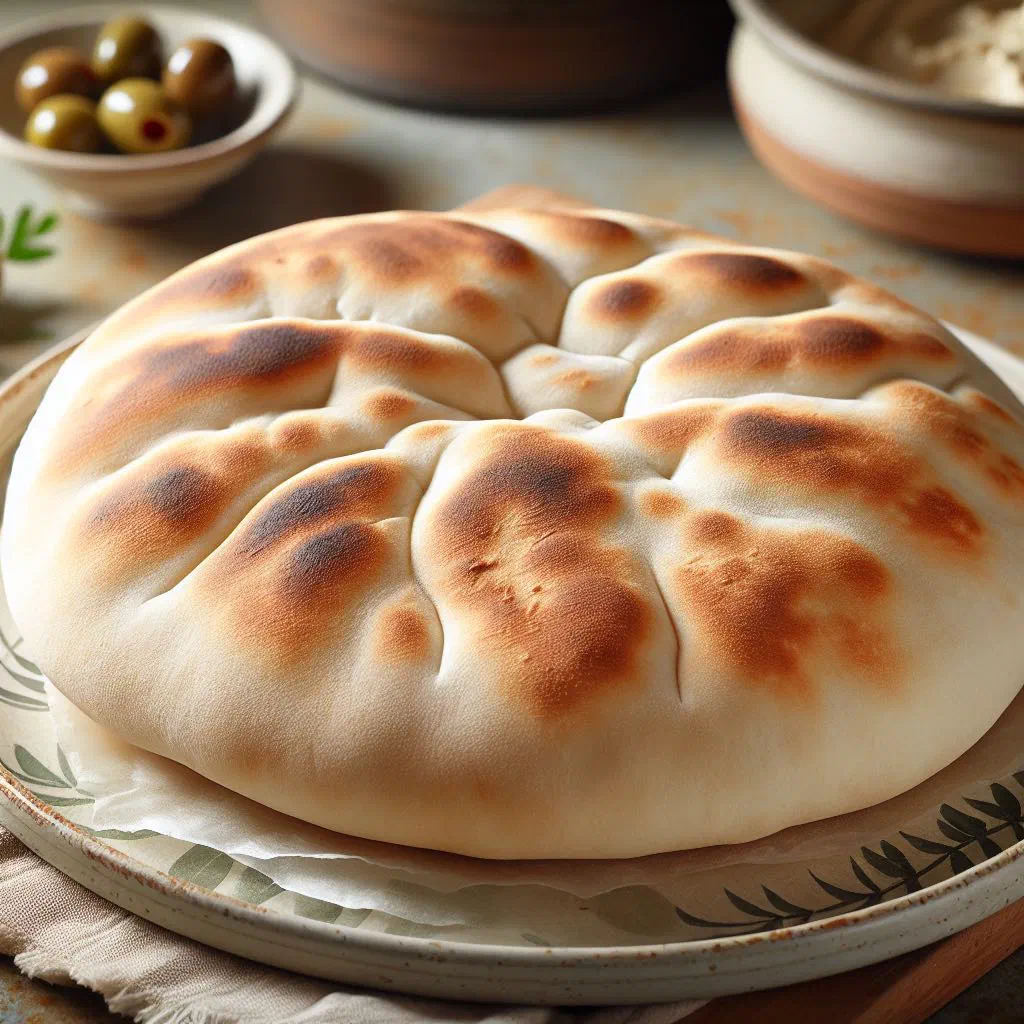
Discover Pita Bread, a soft, pillowy flatbread that sits at the very heart of Bahraini cooking. With its light, airy crumb it is the perfect partner for scooping up dips and sauces, or for cradling a generous filling. A handful of everyday ingredients and a little patience are all you need to bring the warm aromas of the Middle East straight into your own kitchen. Simple, versatile and endlessly satisfying, it turns any meal into a feast.
About Pita Bread
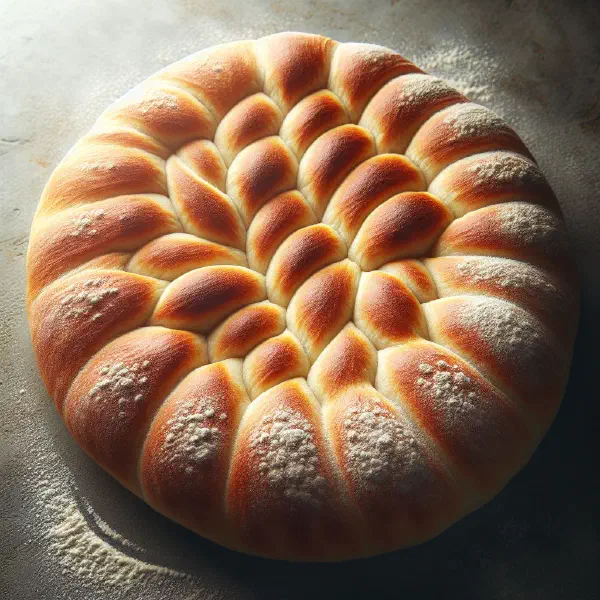
Pita bread is a traditional flatbread cherished across many cultures of the Middle East and the Mediterranean. In Bahrain it is a cornerstone of the kitchen, served alongside all manner of dishes throughout the day. Its soft, airy structure makes it ideal for soaking up dips and sauces, and it can just as easily be topped or stuffed with a wide range of fillings. That versatility is exactly what has kept it a beloved staple for generations.
Ingredients (serves 1–2)
- 250 g wheat flour
- 150 ml water
- 1 teaspoon sugar
- 1 teaspoon salt
- 1/2 sachet dried yeast
- 1 tablespoon oil
These simple ingredients are available in almost any supermarket and let you put together pita bread quickly and without fuss. Variations using wholemeal flour or other flour types are perfectly possible too.
Shopping for the ingredients
When shopping for the ingredients, it is worth choosing good-quality products for the best result. Feel free to reach for organic flour if you would like a wholesome version. Above all, make sure the yeast is fresh, as this is key to a well-risen dough. Many of these items are also likely to be sitting in a well-stocked kitchen already, so they are quickly to hand.
Preparing the dish
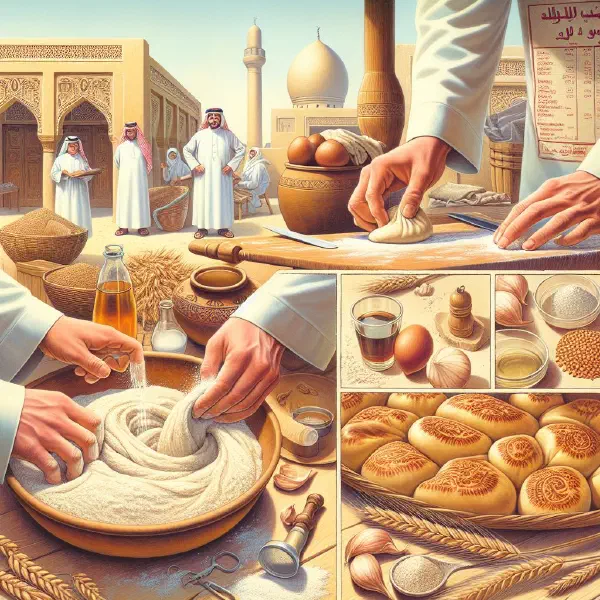
Preparing pita bread is straightforward and does not take much time. Start by gathering all your ingredients and setting up a suitable work surface with a clean tea towel nearby. Measure out the quantities accurately and make sure all your utensils, such as mixing bowls and a rolling pin, are within easy reach. This bit of groundwork makes the whole process smoother and lets you work calmly in the kitchen.
Step-by-step instructions
- Combine the flour and the salt in a bowl.
- In a separate bowl, mix the water with the yeast and the sugar and leave to rest for 5 minutes.
- Add the water-and-yeast mixture to the dry ingredients and knead everything together well.
- Add the oil and continue kneading until the dough is smooth and elastic.
- Cover the dough and leave it to rise in a warm place for about 1 hour, until doubled in size.
- Knead the risen dough again, divide it into portions and roll out into round flatbreads.
- Place the rounds on a lined baking tray and bake for 10–15 minutes at 220°C, until puffed and lightly golden.
It is a wonderful way to treat your guests or family to something simple yet full of flavour.
Gluten-free / lactose-free version
The recipe for pita bread is easy to adapt to make it gluten-free or lactose-free. In place of wheat flour, use a blend of gluten-free flours such as rice or almond flour for a gluten-free pita. To keep it lactose-free, simply make sure the oil you use is purely plant-based. These small adjustments make the recipe accessible to anyone with food intolerances.
Tips for vegans and vegetarians
The traditional pita bread recipe is naturally vegan and vegetarian, as it contains no animal products at all. That makes it an ideal accompaniment to a whole host of plant-based dishes. Serve it simply with various vegetable fillings, or as a side to pulses such as the Foul Medames beloved across the region. It also pairs beautifully with a range of vegan dips.
More tips and tricks
A few tips for the perfect pita: preheat the oven thoroughly and, if you can, use a baking stone to ensure an even distribution of heat. Give the dough plenty of time to rise, as this is what makes the bread so light and airy. You can also experiment with different herbs and spices in the dough to lend your pita a distinctive touch, creating fresh flavour experiences again and again.
Adapting the recipe to your taste
The pita bread recipe offers plenty of scope for adaptation. You might use different types of flour to vary the flavour, or add fillings to suit your own preferences. Try different herbs such as thyme or rosemary for an extra note of flavour. Your creativity knows no limits here, whether you fancy a traditional or a more modern interpretation, much like the herb-flecked Zaatar Manakish.
Ingredient substitutions
If one of the ingredients is not to hand, alternatives are easy to find. Instead of water, you could use vegetable stock to give the bread extra flavour. The oil can be swapped for melted coconut butter for a slightly sweeter note. Substitutions like these let you tailor the recipe to your individual needs and tastes.
Drink pairing ideas
To round off the pita bread perfectly, serve it with a variety of drinks. Refreshing options such as mint tea or a sparkling lemonade brightened with lemon or mint work beautifully, and a fragrant Cardamom Tea is a lovely traditional choice. An aromatic red wine or a mild white also suits savoury sides well, while for those avoiding alcohol, freshly pressed juices are an excellent pick.
Serving and presentation ideas
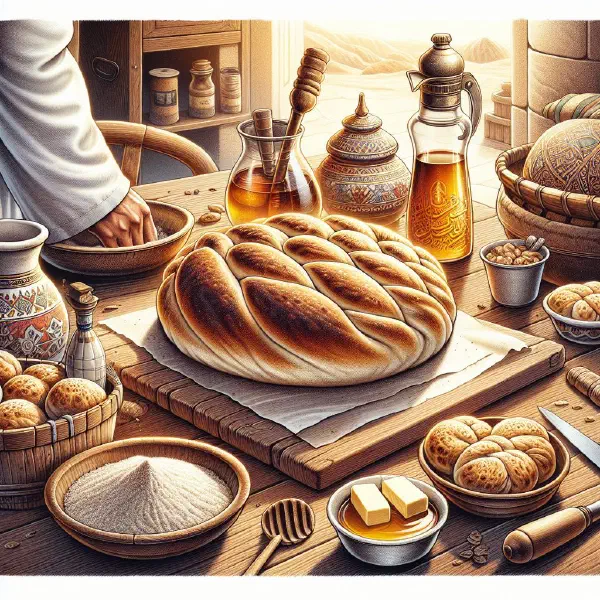
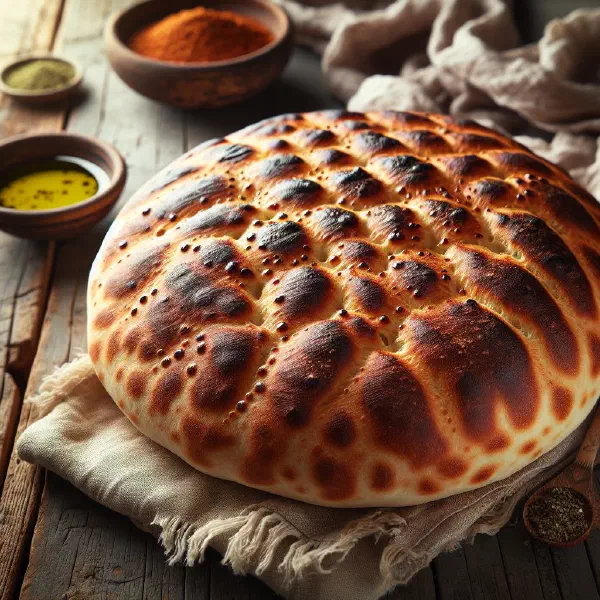
The presentation of pita bread can be made even more inviting with attractive serving platters or baskets. Serve the bread warm, together with a selection of dips and sides, a bowl of Creamy Hummus or smoky Moutabal never goes amiss. Freshly chopped herbs or a pinch of paprika over the bread add a lovely finishing touch. A little care in the arrangement makes your dish a pleasure for the eyes as well as the palate.
A bit of history
Pita bread has a long history that reaches back to antiquity. It is considered one of the oldest bread recipes in the world and has been adapted across countless cultures over the centuries. In Bahrain pita bread is a staple food, frequently served alongside traditional dishes. The marriage of simple preparation and delicious flavour is exactly why it remains so loved and valued to this day, and it sits proudly within the wider tradition of Bahraini cuisine.
More recipe ideas
Summary: Pita Bread
In short, traditional pita bread is delicious and wonderfully simple to make. With just a handful of ingredients you can create a superb accompaniment that suits a great many different dishes. The recipe’s adaptability lets you shape it to your own taste and pair it with all sorts of sides. Give it a go and let the cuisine of Bahrain inspire you.