National Dish Belarus: Biskvit (Recipe)
In this article
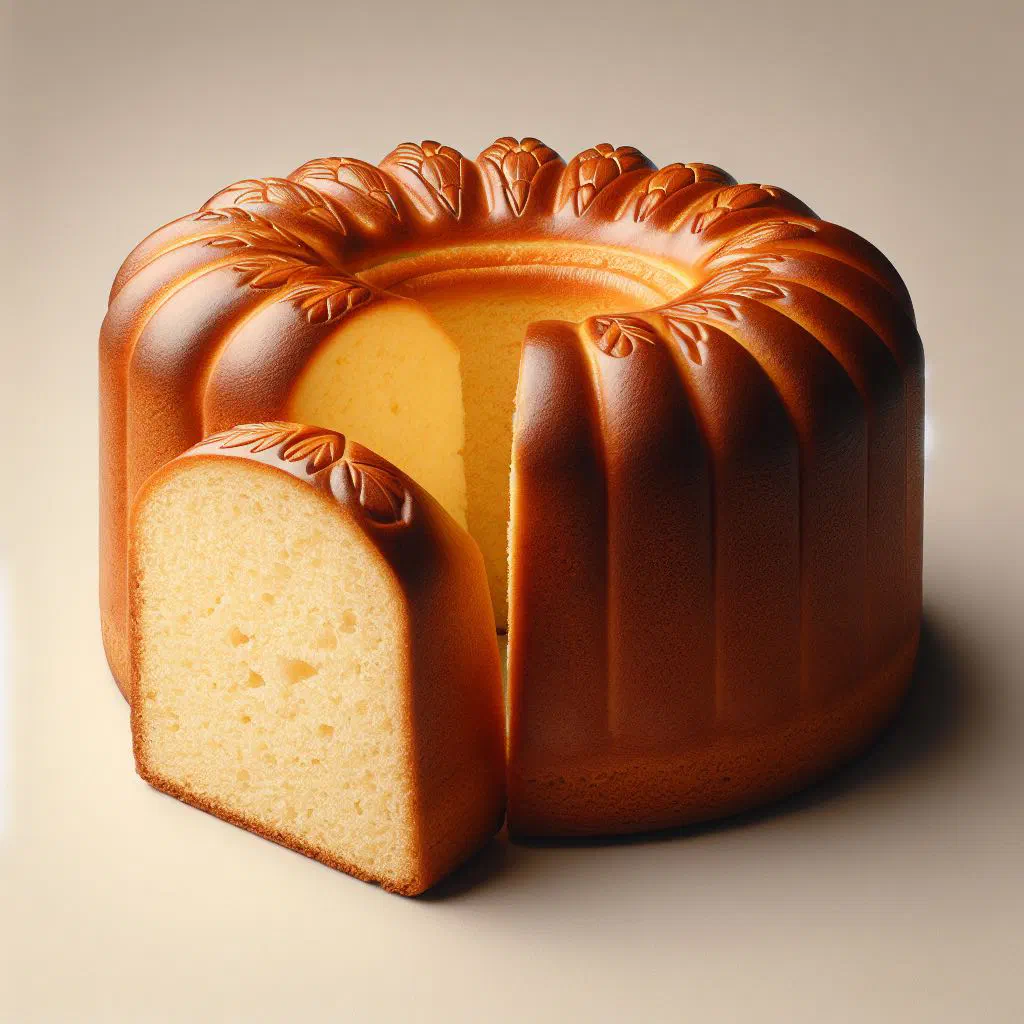
Meet Biskvit, the airy sponge cake that Belarusians reach for whenever there is something worth celebrating. Just eggs, sugar and flour whisked into a cloud-light batter, it emerges from the oven golden and tender, ready to be eaten plain with a cup of tea, layered with whipped cream, or crowned with fresh berries. Few cakes are this simple to make and this easy to dress up, which is exactly why it has stayed on Belarusian tables for generations.
About Biskvit
Biskvit is a traditional national dish of Belarus, famous for its light, fluffy texture and gentle sweetness. This unassuming bake is more than a pleasant mouthful. It is a small emblem of Belarusian culture, appearing at birthdays, name days and family gatherings alike. It can be served in any number of ways: plain, sandwiched with cream, or topped with fresh fruit. That versatility makes it a natural choice for festive occasions and quiet special moments in equal measure.
Ingredients (serves 1–2)
- 3 eggs
- 100 g sugar
- 100 g plain flour
- 1 tsp baking powder
- 1 pinch of salt
Shopping for the ingredients
When shopping for biskvit, quality matters more than quantity. There are so few ingredients that each one carries real weight. Use fresh eggs and a good plain flour, as these determine the texture of the finished sponge. The sugar should ideally be fine-crystal so that it dissolves properly into the batter rather than sinking. If you prefer, organic ingredients are an easy upgrade and make the cake feel that bit wholesomer.
Preparing the dish
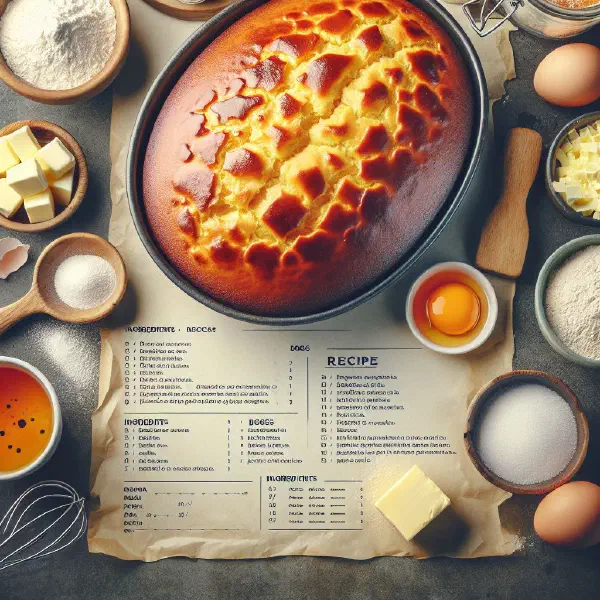
Before you start mixing, lay out your equipment. An electric mixer or a sturdy balloon whisk is essential for beating the eggs and sugar to the right volume. You will also need a cake tin, lined with butter or baking parchment so the biskvit releases cleanly once baked. Good preparation is the whole secret here, a well-organised worktop is what stands between you and a perfectly risen sponge.
Step-by-step instructions
- Preheat the oven to 180 °C.
- Beat the eggs with the sugar in a bowl until pale, thick and foamy.
- Sift the flour, baking powder and salt into the mixture and fold everything together well.
- Pour the batter into the prepared cake tin.
- Bake the biskvit for roughly 20–25 minutes, until golden brown.
- Leave the cake to cool completely before decorating.
Gluten-free / lactose-free version
If you would like a gluten-free or lactose-free biskvit, swap the wheat flour for one of the ready-made gluten-free flour blends now widely sold. A spoonful of cornflour or another binder helps you reach the right consistency, since gluten-free mixes hold together differently. For a lactose-free version simply use plant-based milk and a dairy-free butter alternative. Either way you still get to enjoy this lovely dessert without compromise.
Tips for vegans and vegetarians
Plant-based alternatives make biskvit perfectly workable for a vegan diet. Replace the eggs with apple sauce or soaked flaxseed to keep the batter bound together and reasonably tender. Use plant milk and vegan butter for the rest, and the cake will come out close to the original in both flavour and crumb. The result stays every bit as good without a single animal product, much the same approach that works for Nalisniki.
More tips and tricks
The key to a properly fluffy biskvit is the beating stage: a hand mixer will get far more air into the eggs and sugar than arm power alone. Just as important, do not overmix once the flour goes in, or you will knock out the airiness you worked so hard to build. Line the tin generously so the cooled cake lifts out without tearing, and resist opening the oven door during the first fifteen minutes.
Adapting the recipe to your taste
The biskvit recipe takes happily to personal tweaks. Add vanilla extract or a little lemon zest to the batter to give it a distinctive note. Nuts or chocolate chips are popular additions too, turning a plain sponge into something with more texture and interest. With a few small changes this traditional bake becomes a genuine signature cake in your own kitchen.
Ingredient substitutions
If some of the listed ingredients are not to hand, there are plenty of alternatives. Instead of wheat flour, try almond flour or coconut flour for a naturally gluten-free result, though both absorb liquid differently, so expect a denser crumb. For a sugar-free variation, sweeteners or honey both work well. Adaptations like these mean the biskvit can be tailored to almost anyone’s taste or dietary needs.
Drink pairing ideas
The right drink lifts the sweet, delicate flavours of biskvit considerably. Coffee and tea are the classic companions, their slight bitterness cutting neatly through the sugar. For celebrations, sparkling wine or a fruity cocktail gives the dessert a proper sense of occasion. A cold glass of Kompot is the homely Belarusian answer, and just as good.
Serving and presentation ideas
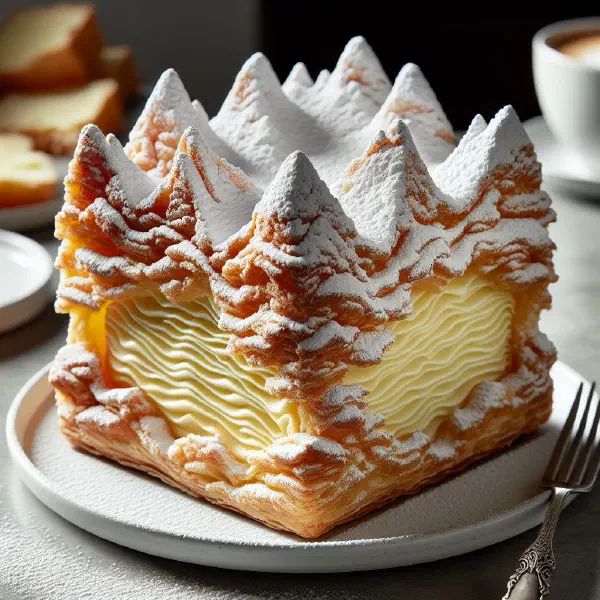
Presentation makes the first impression, so serve biskvit on attractive plates and garnish it as generously as you like with fresh fruit or mint. A dusting of icing sugar or a creamy swirl of whipped cream adds an elegant finish without much effort. Pretty napkins and a few simple table decorations round out the picture and will impress guests before they have taken a bite.
A bit of history
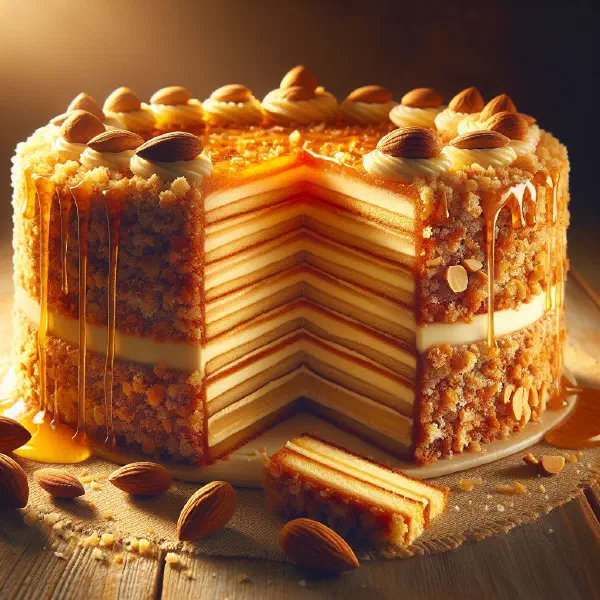
Biskvit has a long history in Belarusian baking and remains a fixture of cultural celebrations. It was originally baked for festive occasions, when hosts wanted something special to set before their guests. That association endures: to this day the cake is offered as a gesture of hospitality across the region. Its story is closely bound up with the wider development of European patisserie, which explains its firm place in Belarusian cuisine alongside sweets such as Medovik.
More recipe ideas
Summary: Biskvit
Biskvit is a wonderfully many-sided traditional dessert whose great strength is its versatility. It will pleasure everyone at the table. Simple ingredients and a quick method make it the ideal companion to any celebration, large or small. Bring a slice of Belarusian culture into your kitchen and enjoy this delicious biskvit.