National Dish Belarus: Kvas (Recipe)
In this article
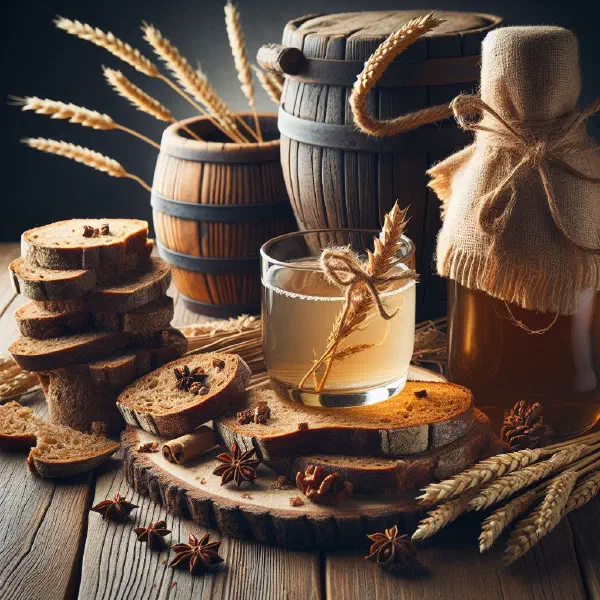
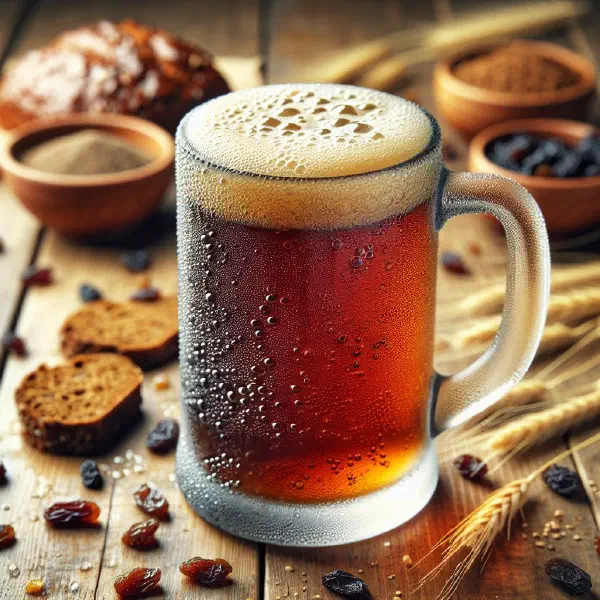
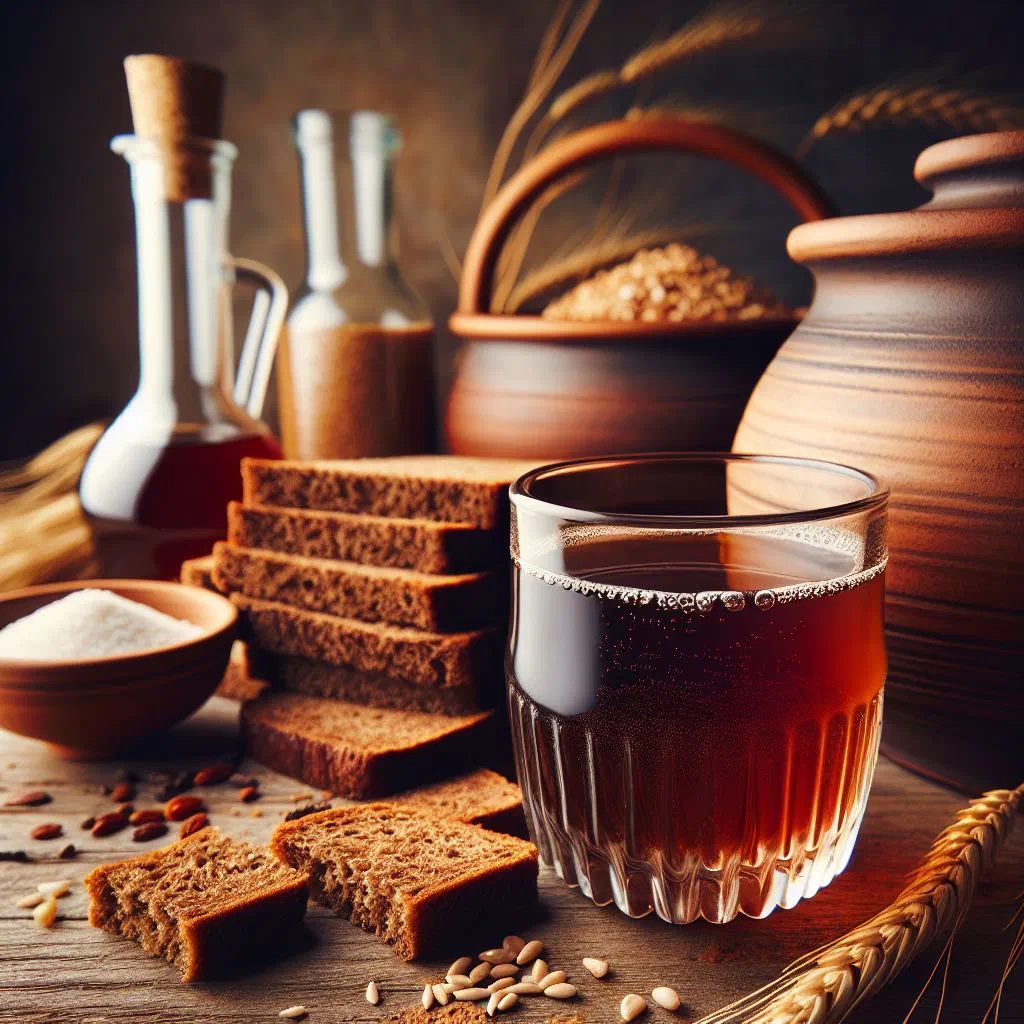
Meet Kvas, the national drink of Belarus and the country’s answer to a long, hot summer afternoon. Made from nothing more than rye bread, water and sugar, this gently sparkling brew has a tangy, malty depth that no shop-bought fizzy drink can match. It is nourishing, endlessly refreshing and remarkably simple to make at home, all it really asks for is a warm corner of the kitchen and a little patience.
About Kvas
Kvas is a traditional Belarusian drink brewed from rye bread, water and sugar. It has a lightly sparkling character and makes a perfect thirst-quencher on a warm day. The method is straightforward and comes together in just a handful of steps, with natural fermentation doing most of the work for you. This nutrient-rich drink brings not only flavour but a real piece of culture to the table.
Ingredients (serves 1–2)
- 250 g rye bread
- 2 l water
- 150 g sugar
- 1 sachet dried yeast (7 g)
- 1 handful raisins (optional)
Shopping for the ingredients
Making kvas at home calls for very few ingredients, and every one of them can be found in an ordinary supermarket. Rye bread is the important one, since it gives the drink its characteristic flavour. Use fresh water and good-quality sugar to guarantee the best quality in the finished brew. The optional raisins are easy to pick up from the dried fruit aisle and lend the kvas a distinctive lift.
Preparing the dish
Preparing kvas is uncomplicated and mostly a matter of allowing enough time. Begin by cutting or tearing the rye bread into small pieces. The bread then goes into a large container along with the water and sugar so that the aromas can be drawn out. During fermentation the fizzy bubbles develop that make kvas what it is.
Step-by-step instructions
- Cut the rye bread into small pieces and put them in a large bowl.
- Bring the water to the boil and pour it hot over the bread.
- Add the sugar and stir well until it has dissolved completely.
- Cover the container and leave it in a warm place for about 12–24 hours.
- Add the dried yeast and mix thoroughly.
- After a further 6–8 hours, strain the mixture through a fine sieve.
- Optional: add the raisins and pour into bottles.
- Seal the bottles well and keep them in the fridge for another 2–3 days.
Gluten-free / lactose-free version
For a gluten-free version of kvas, use gluten-free bread in place of the rye. There are plenty of gluten-free loaves on the market that work beautifully here. Do check that your sugar and yeast are certified gluten-free as well. A lactose-free version needs no adjustment at all, since the recipe contains no dairy whatsoever.
Tips for vegans and vegetarians
Kvas is naturally vegan and vegetarian, as every ingredient in it is plant-based. It is still worth scanning the labels for any hidden animal-derived additives. Choosing organic ingredients is another good way to make sure your kvas is free of anything you would rather not drink. Experiment with different types of bread to uncover surprising new flavours.
More tips and tricks
The single most important thing when brewing kvas is patience. Fermentation needs time to develop the flavour properly, so resist any urge to hurry it along, rushing the process only harms the quality of the finished drink. Check on your kvas regularly, too, so you can catch it at exactly the level of fizz you enjoy most.
Adapting the recipe to your taste
The kvas recipe is easy to tune to your own preferences. Prefer it sweeter? Simply add more sugar. Fancy something fruitier? Play with different dried fruits, or even fresh herbs, to create a signature note. There are countless ways to personalise kvas and make it entirely your own.
Ingredient substitutions
If you have no rye bread to hand, other loaves will do the job, white bread or wholemeal bread, for example. The sugar can likewise be swapped for honey or another sweetener according to taste. Just make sure your alternatives harmonise with one another so the result still tastes the way you want. This flexibility is what makes kvas a drink you can rediscover again and again.
Drink pairing ideas
Kvas goes wonderfully with traditional Belarusian dishes such as Vareniki or a bowl of hearty Solyanka. It is equally at home alongside a festive meal or simply sipped on its own between courses. If you want to offer guests a wider choice of drinks, consider fruit-based cocktails, homemade lemonade or a fruity Kompot, all of which sit happily beside the flavours of kvas.
Serving and presentation ideas
To show kvas off at its best, serve it in handsome glass bottles or tall glasses. Decorate each glass with a mint leaf or a slice of lemon for a touch of colour. Larger glass dispensers work well too, letting guests help themselves throughout the afternoon. An appealing presentation creates a relaxed mood and builds anticipation for this delicious drink.
A bit of history
Kvas has a long tradition in Belarusian culture and has been brewed there for centuries. It counts as a national drink and is a symbol of hospitality. In many households it is still made from scratch and brought out for celebrations, served alongside classics of Belarusian cuisine such as Kholodets. Both the brewing and the drinking of kvas are deeply rooted in everyday life and reflect a genuine affection for traditional recipes.
More recipe ideas
- Vareniki — filled dumplings with a meat or potato stuffing
- Kholodnik — a chilled beetroot soup for hot days
- Kisel — a sweet, thickened berry drink
- Medovik — the classic layered honey cake
- Syrniki — soft curd cheese pancakes
Summary: Kvas
Kvas is an exquisite national drink of Belarus, made from just a few simple ingredients. This traditional refreshment is not only delicious but genuinely nourishing as well. With the tips and instructions above you can brew it easily at home and give your next summer gathering something a little out of the ordinary. Discover the pleasure of making kvas and taste a piece of Belarusian culture for yourself.