National Dish Belarus: Lapsha (Recipe)
In this article
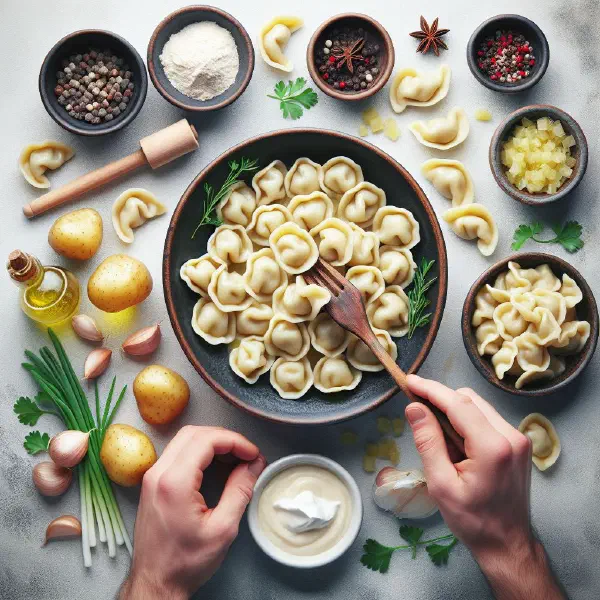
Meet Lapsha, the humble handmade noodle that Belarus has quietly perfected over centuries. Four everyday ingredients, a little kneading and a rolling pin are all it takes, and what comes out is endlessly useful. Serve the noodles as a main course with meat or vegetables, or drop them into a steaming bowl of broth. Simple, satisfying and thoroughly authentic, this is the sort of cooking that turns a weeknight supper into something worth sitting down for.
About Lapsha
Lapsha, the warming national dish of Belarus, has earned its permanent place in the country’s home cooking over the course of centuries. These handmade noodles are not only straightforward to prepare but remarkably versatile in the kitchen. They make the perfect partner for all manner of dishes, served with meat, with vegetables, or stirred into a nourishing soup. Every forkful of lapsha carries the authentic flavour of Belarusian tradition to the table and lends any meal a character all of its own.
Ingredients (serves 1–2)
- 200 g wheat flour
- 1 egg
- 1 pinch of salt
- Water, as needed
Shopping for the ingredients
Lapsha calls for fresh, good-quality ingredients, all of which are available in most supermarkets or health-food shops. Look for wheat flour of a fine, low-ash grade, the sort sold as plain or type 405/550 flour, as it is ideally suited to noodle making. The eggs should be as fresh as possible to guarantee the best flavour. Beyond that you need only a pinch of salt and a little water to bring the dough together, quick and easy indeed.
Preparing the dish
Before you start on your lapsha, make sure your kitchen is tidy and ready for work. Thanks to its uncomplicated method, this dish is ideal for beginners in the kitchen. Clear space for your ingredients and for the equipment you will need, such as a pasta machine or a rolling pin. Set up a work surface where you can knead the dough properly and roll it out without feeling cramped, the same unhurried preparation that pays off when making Kletski.
Step-by-step instructions
- Tip the flour into a bowl and form a well in the centre.
- Add the egg and the pinch of salt to the well, gradually working in the flour.
- Add water if the dough feels too dry, then knead vigorously until smooth.
- Wrap the dough in cling film and leave it to rest for 30 minutes.
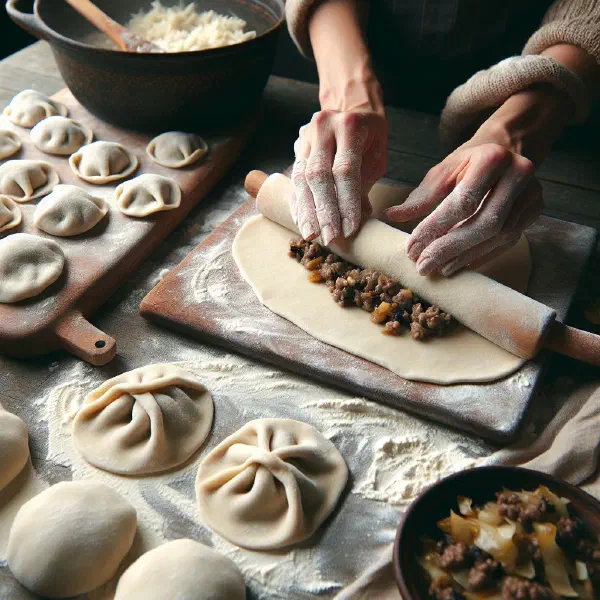
- Roll the dough out thinly on a floured surface and cut it into your preferred shape.
- Cook the prepared noodles in boiling salted water for 4–5 minutes.
Gluten-free / lactose-free version
If you follow a gluten-free or lactose-free diet, alternative flours work perfectly well here. A blend of rice flour and tapioca flour, for example, makes an excellent gluten-free option for lapsha. For lactose-free cooking you can replace the egg with a plant-based alternative. There is no need to compromise on enjoyment.
Tips for vegans and vegetarians
Vegans and vegetarians can adapt lapsha easily by swapping the egg for a plant-based egg replacer such as ground flaxseed or chia seeds. These alternatives bind the dough and give a comparable texture. Do adjust the water accordingly, as vegan substitutes often absorb rather more liquid. A generous sauce or a hearty vegetable stew is essential alongside to bring the flavour through, much as it does with a bowl of Zatirukha.
More tips and tricks
To get the very best from your lapsha, knead the dough thoroughly so it takes on a silky texture. Take care not to boil the noodles for too long, or they will turn soft and lose their bite. A pinch of nutmeg in the dough or in the accompanying sauce adds a lovely aromatic note. Paying a little attention to how you present the dish can lift the whole eating experience too.
Adapting the recipe to your taste
Lapsha is remarkably adaptable, which leaves plenty of room to experiment with different ingredients. You might work fresh herbs such as basil or parsley into the dough for extra aroma. The thickness and shape of the noodles can vary just as freely, broad ribbons or fine strands, whichever you prefer. Give your creativity free rein and build your own personal lapsha recipe.
Ingredient substitutions
If fresh wheat flour is not an option, spelt flour makes a fine alternative. It brings a nutty flavour that sits well with the traditional aromas of the dish. Gluten-free blends open up plenty of further possibilities for adaptation. And if you would rather leave out the egg altogether, soya or pea protein powder is a useful stand-in for keeping the dough properly bound.
Drink pairing ideas
A whole range of drinks goes beautifully with lapsha. A fresh herbal tea or a light fruit spritzer makes a refreshing accompaniment. A glass of dry white wine also harmonises wonderfully with the qualities of handmade noodles. For something more relaxed, serve sparkling mineral water with a squeeze of lemon to complement the flavours on the plate, or pour a glass of traditional Kvas.
Serving and presentation ideas
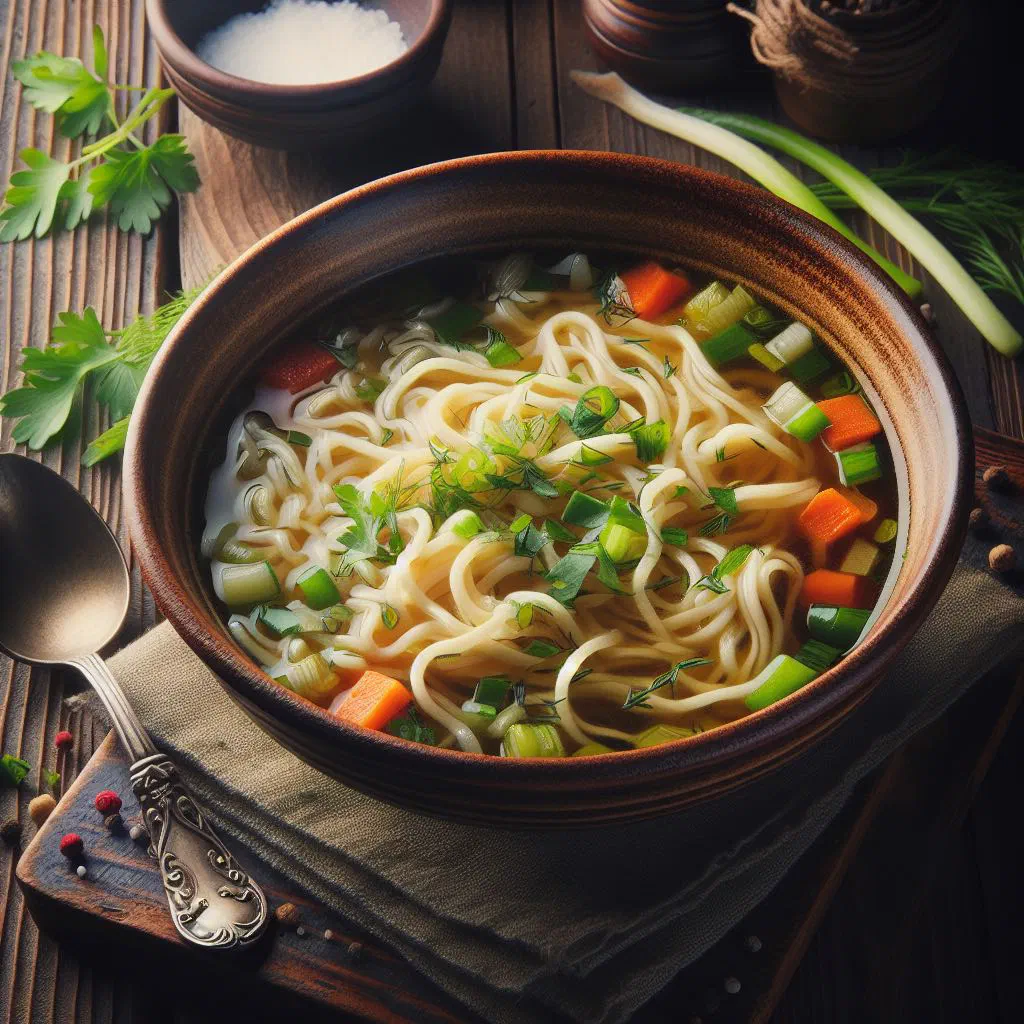
Presentation plays an important part in the enjoyment of lapsha. Serve the noodles in a deep bowl and garnish them with fresh herbs such as parsley or basil. A simple drizzle of olive oil or a scattering of grated cheese lifts the dish nicely. Bear the colours of your ingredients in mind and arrange everything with variety, so the dish pleases the eye as much as the palate.
A bit of history
The roots of lapsha reach far back into the past and reflect the traditional diet of the Belarusian people. Its simple method and readily available ingredients made this dish a staple of the household kitchen. Historically, lapsha was often served at celebrations and came to stand for family togetherness. Today it remains a much-loved part of Belarusian cuisine, valued in homes and restaurants alike.
More recipe ideas
Summary: Lapsha
Lapsha is another fine example of the delicious and varied cooking of Belarus. Its simple preparation and the sheer number of possible variations make this dish a genuine pleasure. Lapsha brings a touch of tradition to the table. Dive into the world of Belarusian cooking and let the flavour of these handmade noodles win you over.