National Dish Belarus: Rasolnik (Recipe)
In this article
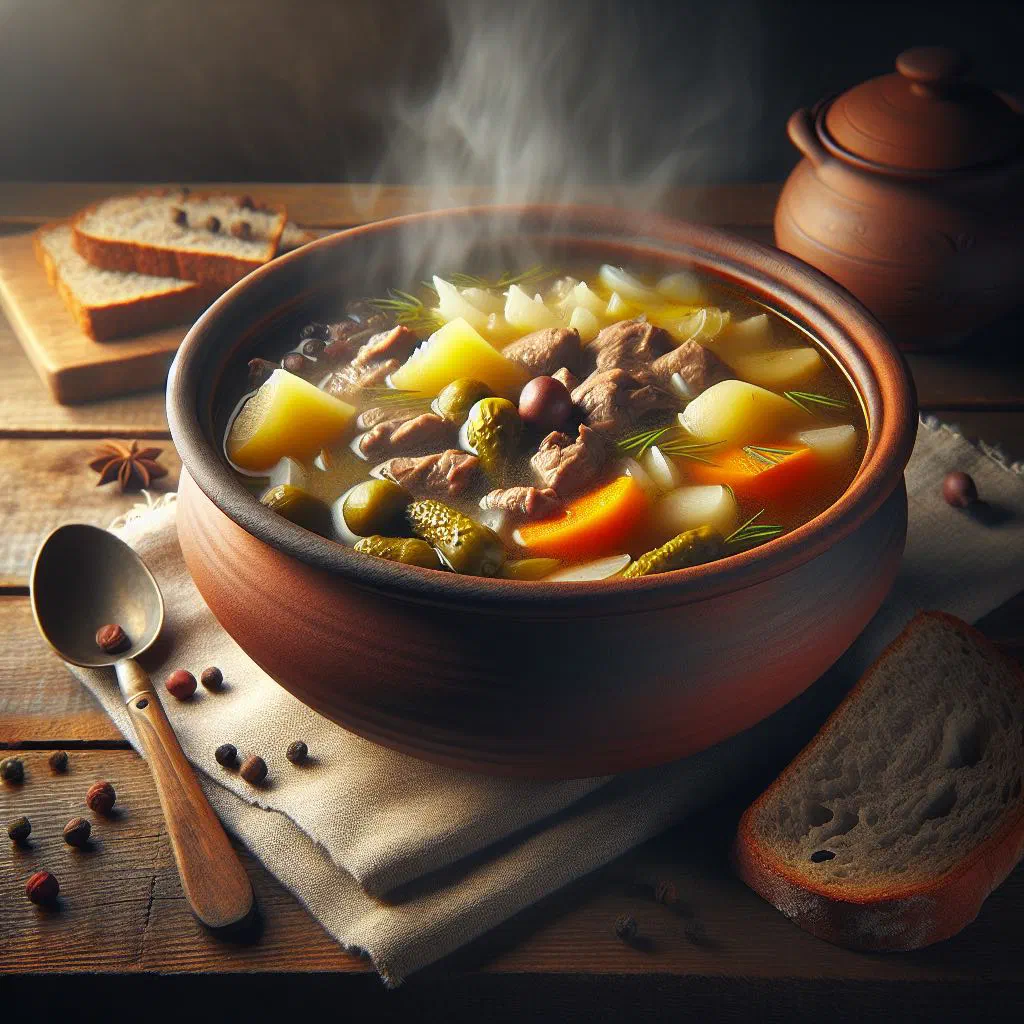
Few dishes say winter in Eastern Europe quite like Rasolnik. This traditional Belarusian stew simmers tender meat together with potatoes, carrots and onion, then finishes with a generous spoonful of soured cream and a scattering of fresh dill. It is the sort of pot that fills a kitchen with warmth long before anyone sits down to eat, humble, deeply savoury, and made for sharing on a cold evening.
About Rasolnik
Rasolnik is a traditional Belarusian stew that captures the character of Eastern European cooking in a single bowl. The dish brings together tender pieces of meat, a generous mix of fresh vegetables and the distinctive tang of soured cream. In many households it is cooked through the cold winter months, wrapping the family in its hearty warmth. It is more than a stew: it is a symbolic dish that stands for company, comfort and belonging, much like a bowl of Solyanka on a frosty day.
Ingredients (serves 1–2)
- 200 g beef or chicken breast
- 2 medium potatoes
- 1 carrot
- 1 onion
- 100 g soured cream
- 1 handful fresh herbs (dill or parsley)
- Salt and pepper to taste
- 3–4 cups water or stock
Shopping for the ingredients
When shopping for rasolnik, the ingredients should be fresh and of good quality. Pay particular attention to the meat, since both the texture and the flavour of the stew depend heavily on it. Fresh vegetables matter just as much: choose firm potatoes and fragrant carrots. For the best result, fresh herbs are indispensable. They give the dish its unmistakable aroma.
Preparing the dish
Before the cooking begins, it is worth preparing everything properly. Cut the meat into small, bite-sized pieces so it cooks evenly. Peel the potatoes and carrots and dice them to a similar size. The onion can be finely chopped so it softens quickly in the pot and releases its aroma into the broth.
Step-by-step instructions
- Brown the meat in a large pot with a little oil until it takes on a golden colour.
- Add the onion and sweat until translucent, followed by the carrot and potatoes.
- Pour in the water or stock and bring to the boil.
- Simmer over low heat for about 30–40 minutes, until the vegetables are tender.
- Season with salt and pepper, then stir in a large spoonful of soured cream just before serving.
- Garnish with fresh herbs and serve hot.
Gluten-free / lactose-free version
Rasolnik is straightforward to make gluten-free. Simply check that the stock and any prepared meat contain no gluten-based additives. For a lactose-free version, replace the soured cream with a plant-based alternative. Lactose-free yoghurt or a vegan soured cream both work nicely and still give the stew its creamy finish.
Tips for vegans and vegetarians
If you would like a vegan or vegetarian rasolnik, swap the meat for hearty mushrooms or tofu. Both alternatives lend the stew an interesting texture and plenty of savoury depth. Use vegetable stock in place of meat stock to build the flavour, and consider a pinch of smoked paprika for a gentle smokiness that rounds the whole dish off.
More tips and tricks
A well-judged spice mix can lift the aroma of rasolnik considerably. Caraway or bay leaves are both excellent choices for drawing out extra flavour. It is also worth cooking the stew a day ahead, since it has time overnight for the flavours to settle and deepen. Rasolnik is likewise a superb way to use up leftovers from the fridge.
Adapting the recipe to your taste
Rasolnik is extremely adaptable and easily tailored to personal preference. If you like a bit of heat, add chilli powder or fresh chillies. The choice of vegetables is flexible too, pumpkin or courgette in place of carrots gives a quite different result. Experiment with various herb combinations until you find the one you like best; the same spirit of improvisation shapes dishes such as Zharkoe.
Ingredient substitutions
There are plenty of alternatives when it comes to the ingredients. Instead of beef you can use pork or chicken, depending on what is available. For a vegetarian version, chickpeas or lentils make an excellent source of protein. The vegetables can be varied just as freely, so seasonal or locally grown produce can take priority. That way you can adapt your rasolnik both to the climate and to your own taste.
Drink pairing ideas
A hearty dish like rasolnik goes well with a number of drinks that complement its flavours. A robust beer is an excellent match, especially alongside the meat. Alternatively, a light red wine works nicely. Nothing too heavy, so it does not overwhelm the food. For an alcohol-free option, serve a fruit compote, a glass of Kvas or a sparkling mineral water, whose liveliness rounds the meal off neatly.
Serving and presentation ideas
Presentation can add a great deal to the overall impression of rasolnik. Serve it in a decorative bowl or straight from a stew pot. Scattering fresh herbs over the top just before serving makes for a far more appetising picture. A few slices of good bread on the side, a piece of Kalach is ideal, make a fine accompaniment. Handsome plates help translate the rustic feel of rasolnik into a cosy atmosphere.
A bit of history
The origins of rasolnik can be traced back to the 19th century, when stews were a common way of putting a meal together in country kitchens. The dish arose as a means of using up the harvest and creating a nourishing meal that could feed a family through the long winter. In Belarusian culture rasolnik stands not only for home cooking but for the values of community and celebration. To this day it remains a popular dish, often served at festivals and family gatherings, and a treasured part of Belarusian cuisine.
More recipe ideas
Summary: Rasolnik
Rasolnik represents a rich and generous strand of Belarusian cooking. With its aromatic profile and nourishing ingredients, it is enjoyed well beyond the winter months. Everyone can give it a personal touch. Let this treasured piece of the country’s gastronomy inspire you, and bring the taste of Belarus to your own table.