National Dish Belarus: Tvorog (Recipe)
In this article
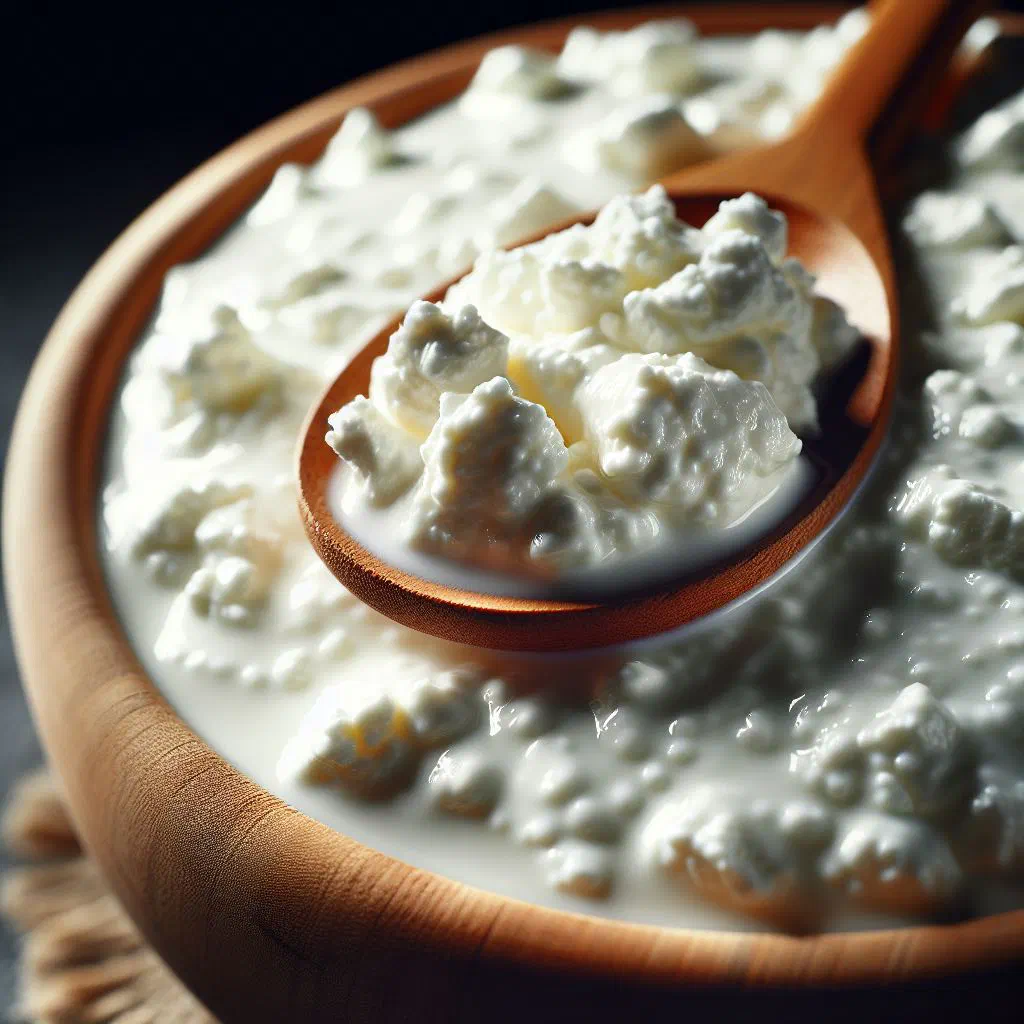
Meet Tvorog, the fresh curd cheese that sits at the very heart of the Belarusian kitchen. Mildly tangy, gently crumbly and packed with protein, it slips just as easily into a sweet breakfast as into a savoury supper. Mixed with egg, a little honey and a whisper of vanilla, it turns into tender little cakes that fry up golden in minutes. Few ingredients carry as much everyday comfort, or as much history, as this humble bowl of curd.
About Tvorog
Tvorog is a traditional Belarusian curd cheese that is the base for a whole family of dishes. It has a lightly crumbly texture and is known for its rounded, full-bodied flavour. Thanks to its high protein content and its wealth of nutrients, tvorog is a favourite with athletes and health-conscious cooks alike. In home kitchens it is used constantly, forming the backbone of both sweet treats and savoury plates, much as it does in close cousins such as Syrniki.
Ingredients (serves 1–2)
- 250 g tvorog
- 1 egg
- 2 tablespoons sugar or honey
- 1 teaspoon vanilla extract
- A pinch of salt
Shopping for the ingredients
To make an authentic tvorog dish, choose fresh, good-quality ingredients. Tvorog is stocked by most larger supermarkets and by specialist grocers, usually in the international foods aisle. Make sure the dairy products are properly fresh, as this has a considerable effect on both the flavour and the texture of the finished dish. If you are ordering online, check the reviews to be confident of the quality.
Preparing the dish
Getting ready to cook tvorog is quick and refreshingly simple. Start by tipping the tvorog into a large bowl and breaking it up with a fork or the back of a spoon so the curds loosen. Then add the egg, the sugar or honey, the vanilla extract and the salt. Mix everything thoroughly until you have a smooth, evenly combined mixture.
Step-by-step instructions
- Prepare all the ingredients as described in the previous section.
- Tip everything into a bowl and mix well until the batter comes together.
- Shape the mixture into small cakes or flat rounds.
- Heat a little oil in a frying pan and fry the tvorog cakes on both sides until golden brown.
- Serve the cakes warm with your choice of fruit or a spoonful of yoghurt.
Gluten-free / lactose-free version
For a gluten-free version the recipe adapts easily, since no wheat flour is strictly needed. Where a binder helps, gluten-free flour alternatives such as rice or almond flour will hold the texture together nicely. For a lactose-free variation, look for lactose-free tvorog, which is increasingly stocked by organic supermarkets. That way anyone with a lactose intolerance can enjoy this comforting dish too.
Tips for vegans and vegetarians
Vegans can replace tvorog with plant-based alternatives, such as a blend of silken tofu with ground nuts or sunflower seeds, which delivers a similar texture and a pleasantly nutty flavour. The mixture is then handled exactly as the recipe describes. For vegetarians, tvorog itself remains an excellent choice, since it supplies plenty of protein and nutrients on its own. Do check the label for unnecessary additives to be sure of the best quality.
More tips and tricks
One small tip: let the tvorog come up to room temperature before you use it, as it is far easier to work with. If you like your cakes especially fluffy, add an extra egg or a pinch of baking powder to the mix. These modest adjustments make a noticeable difference to both flavour and texture. Try experimenting with other aromatics too, cinnamon or a little citrus zest opens up plenty of variations.
Adapting the recipe to your taste
Everyone has their own preferences when it comes to flavour and texture. For a more savoury version, stir in seasonings such as caraway or chopped parsley, which brings the dish closer to the everyday plates served alongside Kasha. For something lighter and fruitier, fold in a handful of berries or scatter them over the top. The aim is simply to shape the recipe around what tastes best to you.
Ingredient substitutions
If you would rather leave out the egg, apple purée or a mixture of ground linseed and water will bind the batter just as well. In place of sugar, natural sweeteners such as stevia or maple syrup work beautifully and bring their own gentle flavour notes. Choices like these keep the dish wholesome while making it endlessly versatile.
Drink pairing ideas
Plenty of drinks suit tvorog dishes and round out their flavour. A fruity tea or a chilled yoghurt drink makes a refreshing partner, while a tall glass of sparkling water with a squeeze of lemon or orange also works splendidly. Traditionally minded cooks might reach for a glass of Kvas instead. Whichever you choose, the right drink brings the dish into sharper focus.
Serving and presentation ideas
Presentation matters, and it can make a plate of tvorog cakes genuinely inviting. Arrange them on an elegant plate and garnish with fresh fruit and a generous spoonful of yoghurt. A sprig of mint or a scattering of parsley adds a fresh, bright finish. Colourful plates or a rustic wooden board will make the whole spread look all the more appetising.
A bit of history
Tvorog has been part of Slavic cooking for centuries. As early as the Middle Ages it was prized as a valuable source of protein, easy to make at home from soured milk. Across Eastern Europe it is regarded as far more than mere food: it belongs to feast days and family celebrations. The methods and recipes have been handed down through generations and remain a genuine pillar of the region’s cultural identity, and of Belarusian cuisine in particular.
More recipe ideas
Summary: Tvorog
In short, tvorog is an exceptionally versatile and nourishing curd cheese that lends itself to countless dishes. Its adaptability makes it easy to shape the recipe around your own tastes, whether you lean sweet or savoury. From breakfast cakes to baked puddings, it is a staple no kitchen should be without. Let these ideas inspire you and bring a little of the Belarusian culinary tradition into your own home.