National Dish Belarus: Zatirukha (Recipe)
In this article
Zatirukha is made by rubbing flour and a beaten egg between your palms until it breaks into tiny crumbs, which are then dropped into simmering broth. They cook in minutes into something between a dumpling and a noodle. It is one of the oldest and plainest dishes in Belarusian cooking, and it costs almost nothing.
About Zatirukha
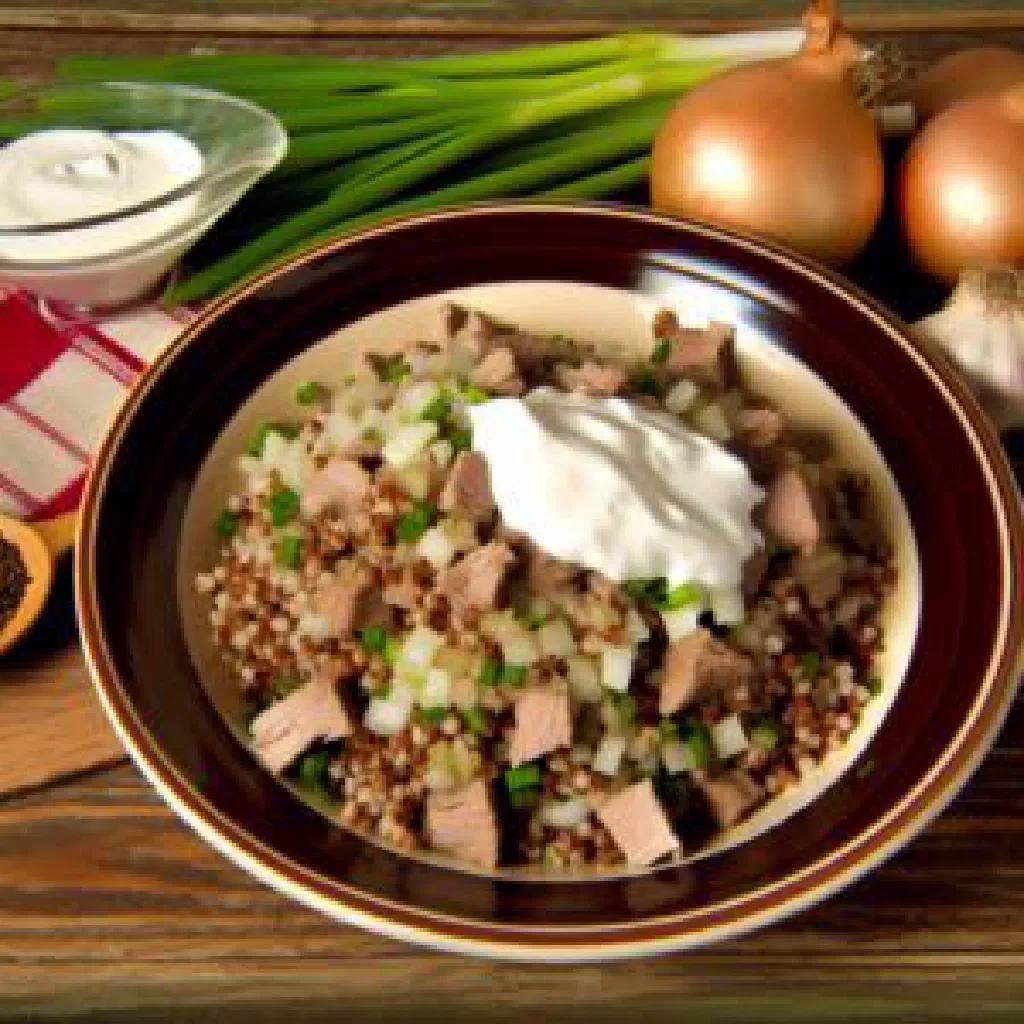
Zatirukha is the simple, warming flour-crumb soup of Belarus. From a little flour, an egg and some water come tiny, crumbly pieces of dough, cooked in a milky, savoury broth. This ancient farmhouse dish is well as any for the frugal but nourishing country cooking of Belarus, food made when there was flour and milk and not much else.
Ingredients (serves 1–2)
- 150 g plain flour
- 1 egg
- A pinch of salt
- 500 ml water or vegetable stock
- 200 ml milk
- 1 small potato, diced
- 1 tablespoon butter
- Fresh parsley or dill, to serve
Shopping for the ingredients
Nothing here needs shopping for beyond the everyday. Whole milk gives a better body than semi-skimmed. If using stock rather than water, a light vegetable one is right, a strong meat stock overwhelms the dish.
Preparing the dish
The crumbs are the technique: beat the egg, work it into the flour with your fingertips, then rub the mixture between your palms until it breaks into irregular pieces the size of rice grains. Sift out anything too large and rub it again.
Step-by-step instructions
- Beat the egg with a pinch of salt.
- Rub it into the flour with your fingertips until crumbly.
- Rub the mixture between your palms so it breaks into small, irregular crumbs.
- Sift through a coarse sieve; re-rub any large pieces.
- Bring the water or stock to a simmer with the diced potato and cook 10 minutes.
- Sprinkle in the crumbs, stirring so they separate.
- Simmer for 5 minutes, then pour in the milk and warm through without boiling.
- Stir in the butter, season and serve scattered with dill or parsley.
Gluten-free / lactose-free version
A gluten-free flour blend forms crumbs acceptably, though they are more fragile. For a lactose-free version, use oat milk and oil in place of butter, the dish is mild enough that the substitution barely registers.
Tips for vegans and vegetarians
Made with water and no egg, just flour rubbed with a little water, zatirukha is fully vegan, and this eggless version is the older one. Plant milk and oil complete it.
More tips and tricks
Sprinkle the crumbs in gradually while stirring, or they clump into one mass. Do not boil after the milk goes in, since it will curdle. And serve it immediately; the crumbs continue to swell and the soup thickens to porridge if it stands.
Adapting the recipe to your taste
Fried onion or bacon added at the start makes a heartier version. A sweet version with more milk, sugar and no potato is eaten for breakfast. Mushrooms suit it well.
Ingredient substitutions
Water alone works in place of stock. Cream in place of some of the milk enriches it. Buckwheat flour gives a nuttier, more rustic crumb.
Drink pairing ideas
Kvass is the traditional Belarusian drink. Herbal tea suits a light soup. Cold milk is what children are given alongside it.
Serving and presentation ideas
Serve zatirukha hot in deep bowls with dill scattered over and a slice of dark rye bread on the side. It is nursery food and invalid food as much as everyday food, and it is served plainly.
A bit of history
Zatirukha belongs to the oldest layer of Slavic peasant cooking, appearing in Belarusian, Ukrainian and Russian villages under similar names. It required no equipment beyond a bowl and hands, and it stretched a small amount of flour into a meal, which is precisely why it survived so long. It offers a genuine window onto Belarusian cuisine.
More recipe ideas
Summary: Zatirukha
Zatirukha is flour and egg rubbed into tiny crumbs and simmered in a milky broth with potato. Rub the crumbs fine, add them gradually, and do not let it boil once the milk is in.