National Dish Belgium: Carbonnade Flamande (Recipe)
In this article
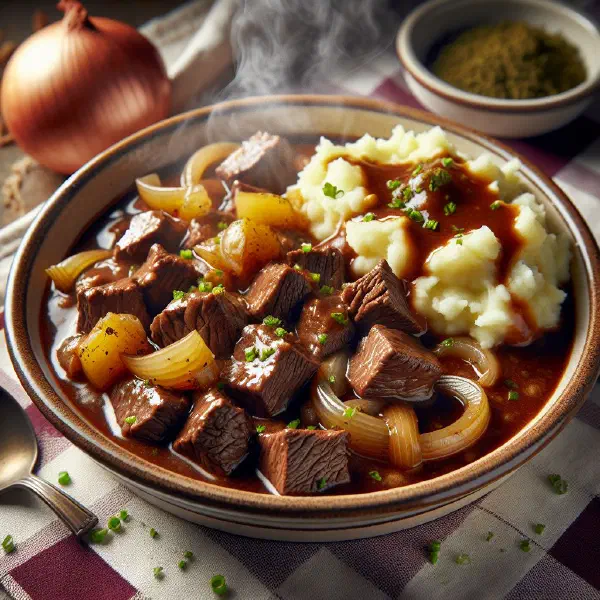
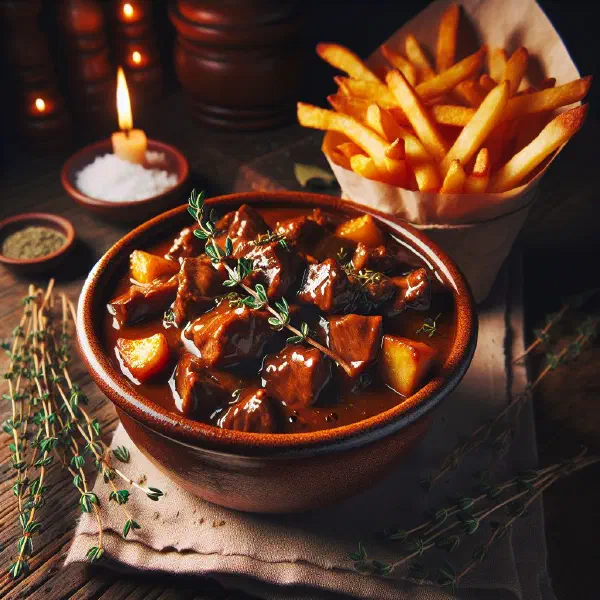
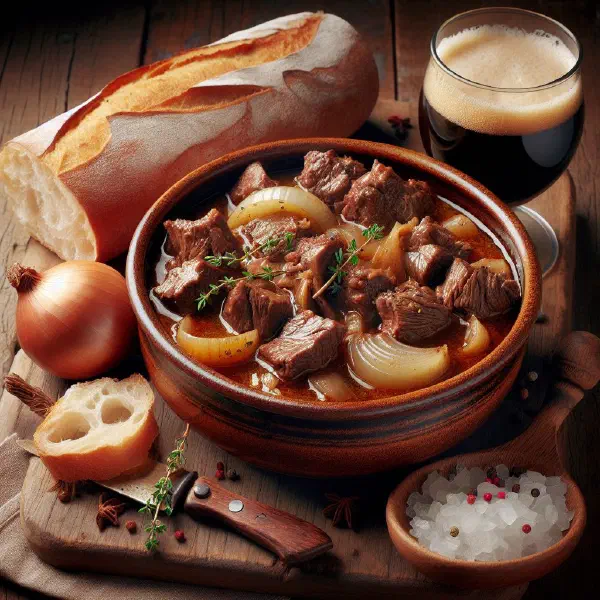
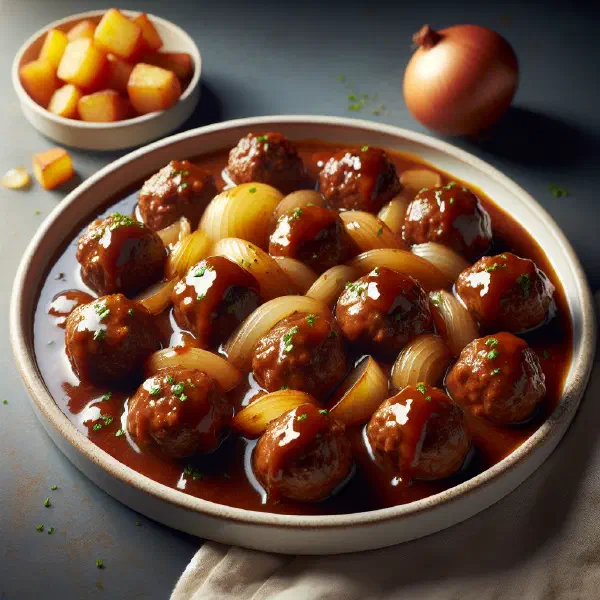
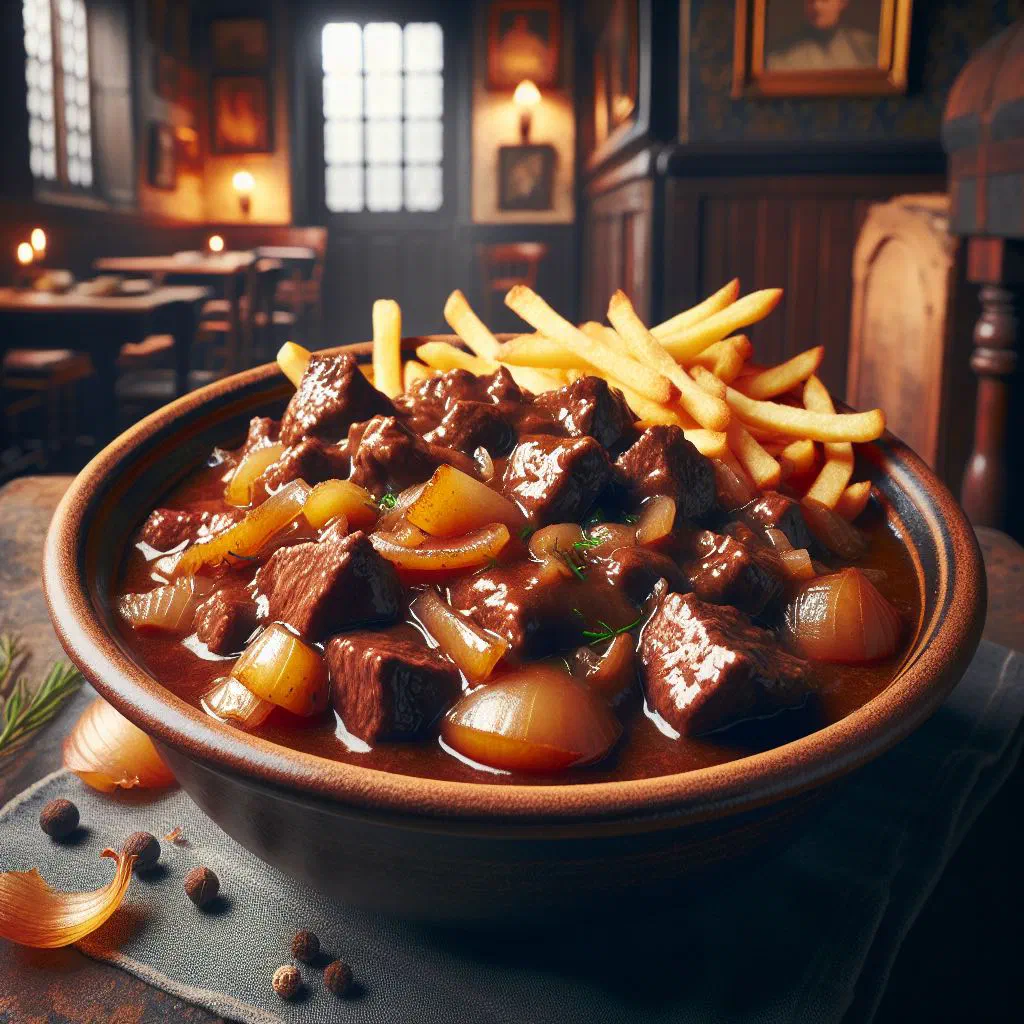
Discover Carbonnade Flamande, the deeply savoury beef and beer stew that sits at the heart of Belgian home cooking. Tender chunks of beef simmer for hours with sweet onions and a bottle of dark, malty ale until the sauce turns glossy and almost caramel-like. A spoonful of mustard sharpens the richness, and a basket of crusty bread or golden chips soaks up every last drop. It is unhurried, generous food, the kind of dish that makes a cold evening feel like an occasion.
About Carbonnade Flamande
Carbonnade Flamande is a traditional Belgian beef stew that brings together a remarkable set of flavours. The dish is characteristically made with dark, malty beer and plenty of fresh onions, a combination that gives it an unmistakable taste, hearty and robust, yet with a gentle sweetness running underneath. In Belgium it is most often served with crusty bread or classic chips, which makes it a perfect centrepiece for a shared meal. It belongs firmly in the same family of slow-cooked comforts as Stoofvlees and Vlaamse Hutsepot.
Ingredients (serves 1–2)
- 500g beef (shoulder or brisket)
- 2 large onions
- 3 tablespoons oil
- 1 bottle of dark beer (a Belgian ale, for example)
- 2 teaspoons mustard
- 1 small slice of bread (optional, to thicken the sauce)
- 1–2 bay leaves
- Thyme, salt and pepper to taste
Shopping for the ingredients
To get the best results from your Carbonnade Flamande, it is worth choosing your ingredients carefully. Visit a local butcher for good-quality beef, as the cut you pick shapes the flavour of the whole dish. Take care to select a dark beer with plenty of malty character, since it does much of the heavy lifting in the sauce. Fresh onions and herbs make a noticeable difference too, so buy them as close to cooking day as you can.
Preparing the dish
Good preparation is what separates a decent carbonnade from a memorable one. Begin by cutting the beef into evenly sized cubes so that every piece cooks at the same rate. The onions should be sliced into thin rings, which melt down beautifully and give the sauce its body. It also helps to measure out the herbs and seasonings in advance, so you are not hunting through cupboards while the pan is on the heat.
Step-by-step instructions
- Heat the oil in a large pot and sear the beef on all sides over a high heat.
- Lift the meat out and fry the onions in the same pot until golden brown.
- Return the beef to the pot and season with salt, pepper, mustard, bay leaves and thyme.
- Pour in the beer and let everything simmer over the lowest possible heat for around 2–3 hours, until the meat is meltingly tender.
- If you are using the bread, add it shortly before the end of the cooking time to thicken the sauce.
Gluten-free / lactose-free version
For a gluten-free version of Carbonnade Flamande, simply swap the beer for a gluten-free brew and check that none of the remaining ingredients contain gluten, the slice of bread used for thickening should be replaced or left out. As for dairy, the dish is naturally lactose-free as long as you resist the temptation to add cream or other milk products. That flexibility makes it an easy choice to cook for a mixed table.
Tips for vegans and vegetarians
Although the traditional Carbonnade Flamande is built around beef, there are excellent plant-based versions to be had. Replace the meat with seitan or jackfruit, both of which take on a satisfyingly meaty texture during the long simmer. Instead of relying on beer alone, a strong vegetable stock helps keep the depth of flavour intact. Add plenty of vegetables, carrots, celery and mushrooms all work well, for a vegan stew that is every bit as filling as the original.
More tips and tricks
A handful of small adjustments can make your carbonnade even better. Experiment with different styles of beer to shift the balance of the sauce and create a version that is entirely your own. Slow cooking over a long stretch of time is the real key here: it is what tenderises the meat and coaxes out the complex, layered flavours. Do remember to stir occasionally during cooking so that nothing catches on the base of the pot.
Adapting the recipe to your taste
The beauty of Carbonnade Flamande is how easily it bends to personal preference. Add different vegetables to bring extra flavour and nutrition into the pot. If you like a bit of heat, a pinch of chilli or paprika powder works nicely against the malt. And for a touch of sweetness, a spoonful of honey or brown sugar rounds out the natural caramel notes of the beer beautifully.
Ingredient substitutions
If you are missing something from the ingredient list, there is almost always a workable alternative. Lamb or even poultry can stand in for beef, giving the stew a lighter, different character. For the beer, alcohol-free options bring plenty of flavour of their own. You can also swap the onions for shallots or a mix of onion varieties to add another layer of depth, a trick that works just as well in a comforting bowl of Stoemp.
Drink pairing ideas
A classic beer is the natural partner for your Carbonnade Flamande, and a cloudy Witbier makes a refreshing counterpoint to the richness. Wine works well too: a full-bodied red such as a Merlot or Cabernet Sauvignon stands up to the deep flavours of the stew. For non-alcoholic options, an aromatic sparkling mineral water or a homemade lemonade cuts through the savouriness nicely. Anyone with allergies should check the ingredients of their chosen drink as a matter of course.
Serving and presentation ideas
Thoughtful presentation gives your Carbonnade Flamande that extra something. Serve it in a rustic, deep bowl and garnish with fresh herbs such as parsley or chives. Sides like crusty baguette or golden chips should sit prominently on the table where everyone can reach them, the same generous spirit that makes Moules Frites such a pleasure to share. Wooden boards used as serving mats reinforce the homely, country-kitchen feel of the dish.
A bit of history
Carbonnade Flamande has its roots in the historic cooking of Flanders, where simple but flavourful dishes were held in high regard. It is a fine example of the Belgian love of beer and the art of slow cooking. Originally a working people’s meal, the carbonnade has since become a genuine culinary classic, equally at home in restaurants and family kitchens. That blend of traditional method and regional ingredients makes it an unmistakable part of Belgian cuisine.
More recipe ideas
Summary: Carbonnade Flamande
Carbonnade Flamande is a hearty, deeply satisfying dish that captures the flavours of Belgium exactly. Built on good beef, dark beer and sweet, slow-cooked onions, it is straightforward to make and universally popular. It pairs happily with all manner of sides and suits any season of the year. The carbonnade is certain to win over everyone at the table.